
Zamia
Same-Day Delivery Every Day
Secure Shopping
High Customer Satisfaction
Types of Flowers
Shop By Style
Price
-
Occassions
Colour
Sort: Suggested Ranking
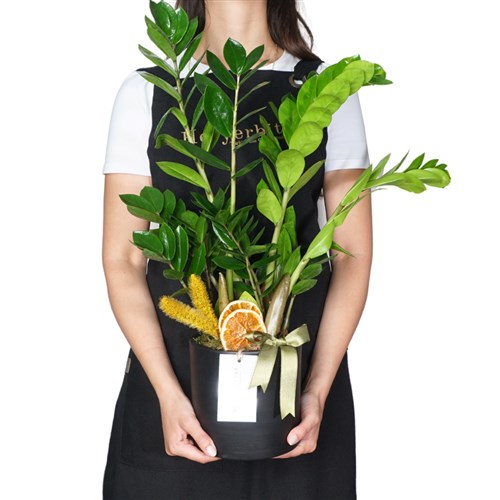
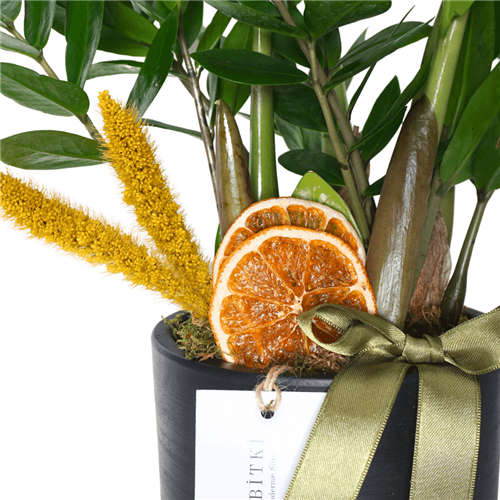
Large Zamia Gift
1799,90 TL
Bugün / Ücretsiz Hızlı Teslimat
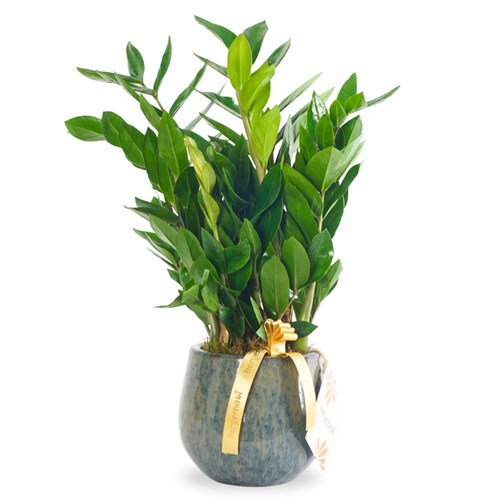
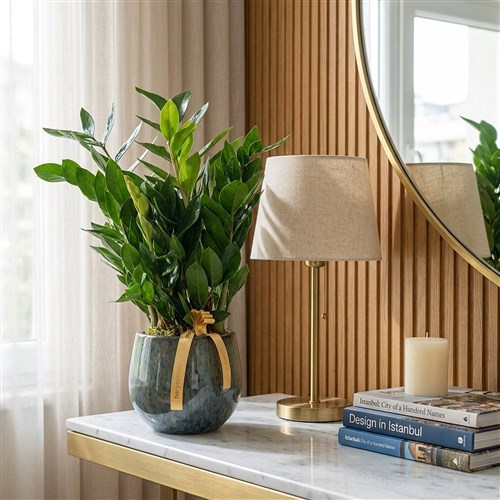
Premium Zamia Gift
1499,90 TL
Bugün / Ücretsiz Hızlı Teslimat
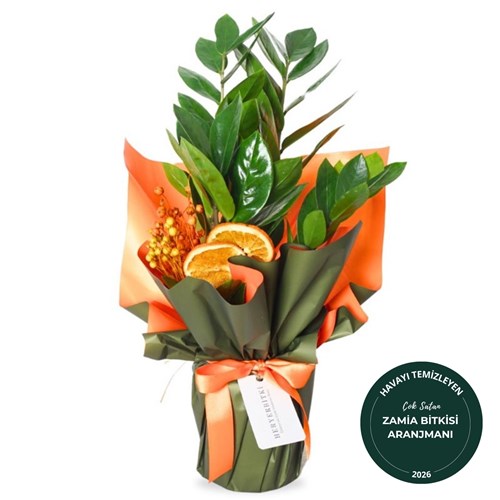
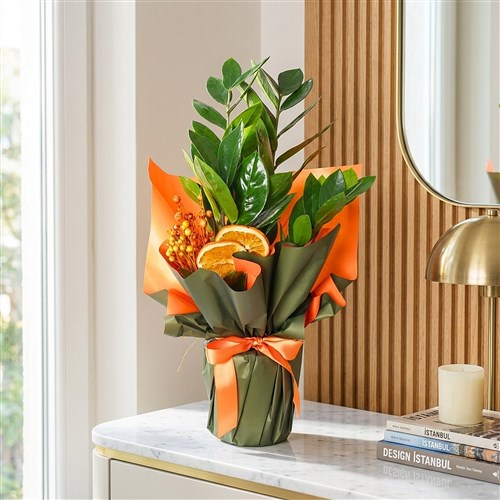
Zamioculcas Gift (Zamia Flower in Gift Packaging)
%151999,90 TL
1699,90 TL
Bugün / Ücretsiz Hızlı Teslimat
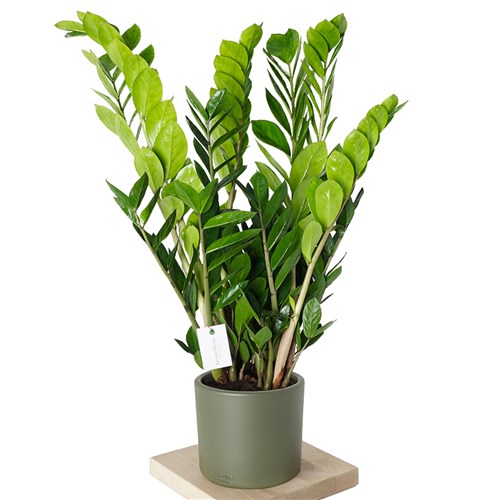
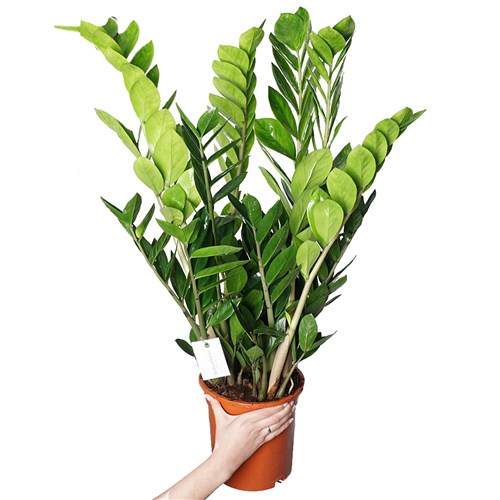
Zamioculcas XLarge (Zamia Plant 70-80cm)
2199,90 TL
Bugün / Ücretsiz Hızlı Teslimat
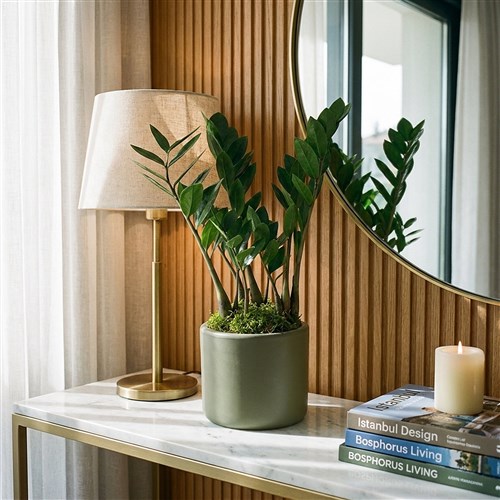
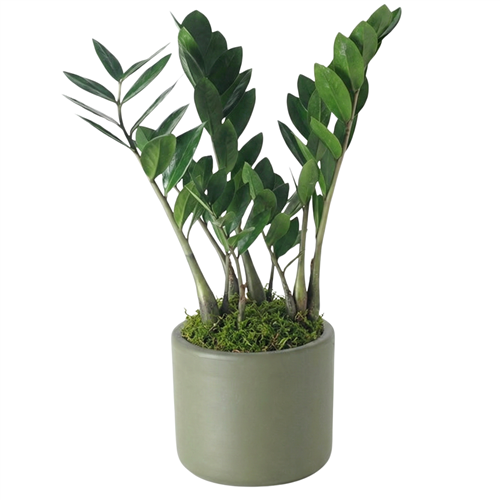
Zamioculcas ZZ Plant
1799,90 TL
Bugün / Ücretsiz Hızlı Teslimat
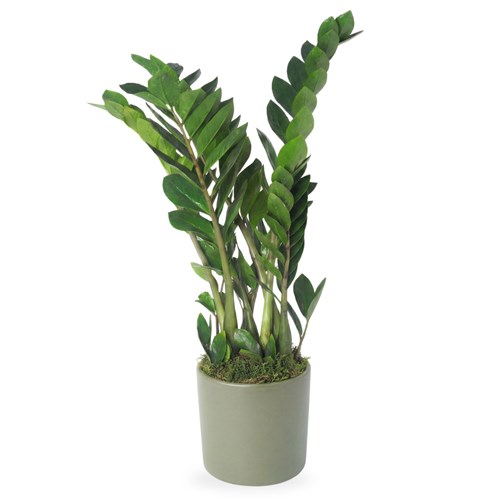
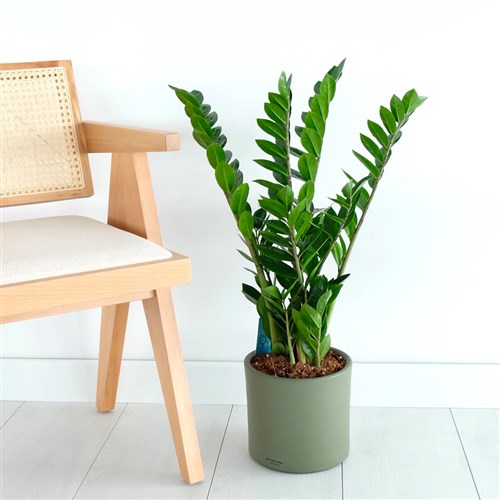
Zamioculcas Zz Plant Large (Zamia Bitkisi)
1999,90 TL
Bugün / Ücretsiz Hızlı Teslimat
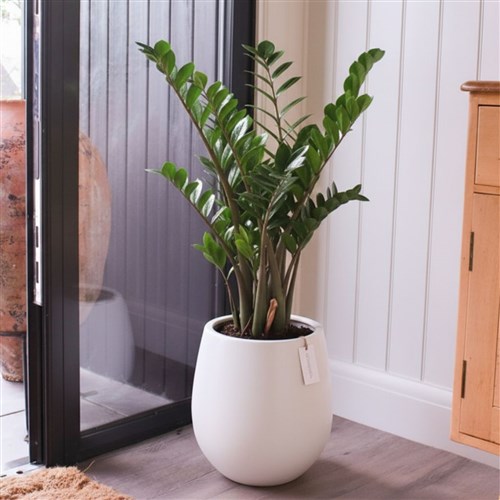
Premium XL Plant Collection (Potted Zamia 100-120CM)
6000,00 TL
Bugün / Ücretsiz Hızlı Teslimat
Zamia (ZZ Plant): A Green Plant That Lives Almost Unmaintained
Zamioculcas zamiifolia (ZZ plant), known in our country as zamia or zeze flower, is one of the most hardy indoor plants with its dark green glossy leaves and elegant appearance. Thanks to its water-storing structure in its root system, it can withstand neglect for weeks; therefore, it more than deserves its reputation as "the hardest plant to kill". Slow-growing and requiring very little maintenance, zamia is among the easiest plants to care for and is the undisputed favorite of office plants .
Types and Sizes of Zamia
At Heryerbitki, zamia plants are offered in a variety of options, from compact tabletop sizes to 100-120 cm houseplant sizes. Classic bright green-leaved zamias complement any decor, and you can choose from stylish earthenware and ceramic pot models to present your plant according to your style. Thanks to its slow and steady growth, the shape you give it will be maintained for years; it does not require frequent repotting.
What does Zamia mean and to whom is it given as a gift?
With its resilience and enduring nature, zamia symbolizes stability, growth, and permanence. It's one of the most meaningful gifts for new beginnings such as new jobs, promotions, openings, and new homes. It's a perfect choice for busy people, frequent travelers, and those new to plant care; it's even recommended for those who say, "I kill plants." For those who want to send it as a gift , zamia designs are ready in our gift plant collection.
Zamia Care
Zamia requires minimal care. Watering every 2-3 weeks, when the soil is completely dry, is usually sufficient; this period is even longer in winter. Overwatering is the only serious enemy of zamia and can lead to root rot; it is always safer not to water at all if you are unsure. Zamia can thrive even in low light, living in a wide range from dimly lit hallways to bright, indirectly lit living rooms; it just needs to be protected from direct, scorching sun. It prefers environments with a constant room temperature and dislikes cold drafts.
Where is Zamia grown?
Zamia thrives best indoors. A stylish option for houseplants , zamia is also ideal as a bathroom plant due to its low light tolerance, and is a suitable choice for kitchens and bedrooms . Belonging to the class of air-purifying plants , zamia is known for naturally improving the air in a room; this feature adds extra value in enclosed office environments. This hardy member of the tropical plant collection finds its place in almost any corner.
Common Mistakes in Zamia Care
By far the most common mistake is overwatering; yellowing and softened leaves at the base are almost always a sign of overwatering. In this case, taking a break from watering for a few weeks usually helps the plant recover. The second mistake is applying oily polish to the leaves to make them shine; zamia leaves are naturally shiny, simply wiping off the dust with a damp cloth is sufficient. There's also no need to rush into repotting; zamia roots prefer a confined space, and it's only necessary to repot them every few years.
Is Zamia Suitable for Pets?
Zamia is NOT in the category of pet-friendly plants ; its leaves should not be chewed by cats and dogs. In homes with pets, it is best to place the zamia on a high table, shelf, or in a corner out of reach of animals. If you are looking for safe alternatives for your pets, you can browse our collection of pet-friendly plants.
Categories Loved Along with Zamia
Zamia enthusiasts also frequently choose snake plants and small succulents , which are in the same category of durable plants. For an artistic alternative, there's bonsai ; for a classic gift, there's orchid ; our flower collection awaits you for all options.
Why Heryerbitki?
At Heryerbitki, zamias are selected from among lush and healthy plants and carefully prepared by our professional florists with stylish pot options. We offer nationwide delivery; with same-day and 90-minute delivery options in eligible regions, your zamias will reach your loved ones undamaged. With the trust of hundreds of thousands of successful orders, your ordering process is fast and secure.
Frequently Asked Questions
How often should Zamia be watered? When the soil is completely dry, usually every 2-3 weeks; even less frequently in winter. Overwatering is the only serious risk.
Can Zamia thrive in a dimly lit room? Yes; it's one of the most low-light tolerant plants. It's ideal for dimly lit hallways, bathrooms, and office corners.
Are Zamia and ZZ the same plant? Yes; in our country, the names Zamia, Zeze, and ZZ refer to the same plant, Zamioculcas zamiifolia.
Why did Zamia turn yellow? The most common cause is overwatering; taking a break from watering for a few weeks and checking drainage usually helps the plant recover.
Does Zamia grow quickly? No, it grows slowly and controllably; this allows it to maintain its form for years and requires little maintenance.
Is Zamia safe for pets? No; the leaves should not be chewed. It should be placed out of reach of cats and dogs.
Who is Zamia a suitable gift for? It's the safest gift for those starting a new job, busy professionals, office openings, and anyone new to plant care.