
Calathea (Prayer Plant)
Same-Day Delivery Every Day
Secure Shopping
High Customer Satisfaction
Types of Flowers
Shop By Style
Price
-
Occassions
Colour
Sort: Suggested Ranking
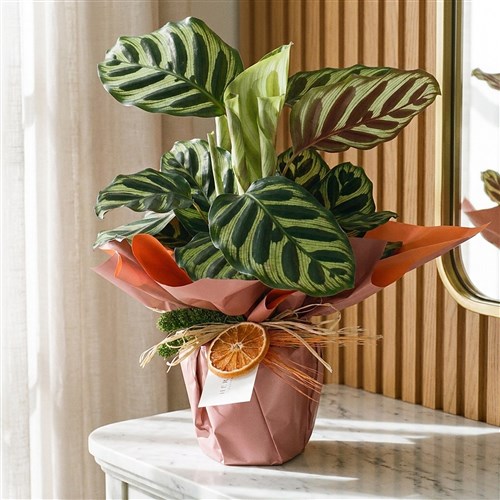
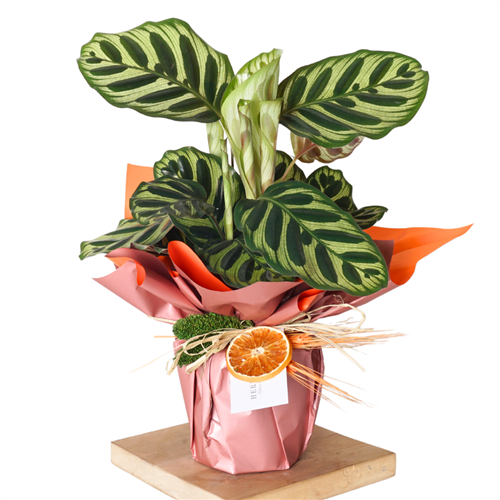
Calathea Makoyana Gift (Prayer Plant Gift)
1299,90 TL
Bugün / Ücretsiz Hızlı Teslimat
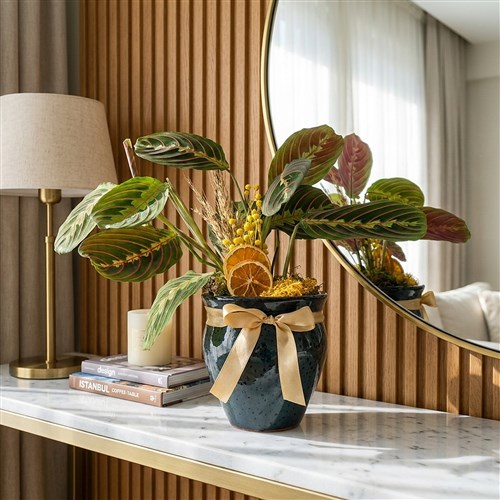
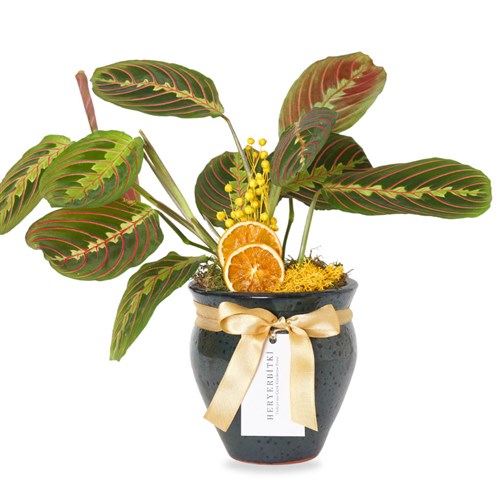
Premium Maranta Prayer Plant Gift in Vase
%191599,90 TL
1299,90 TL
Bugün / Ücretsiz Hızlı Teslimat
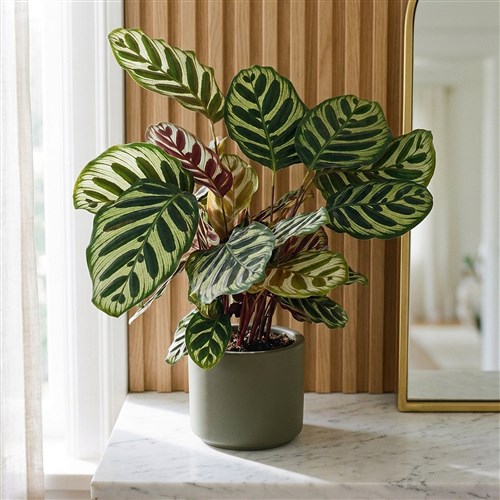
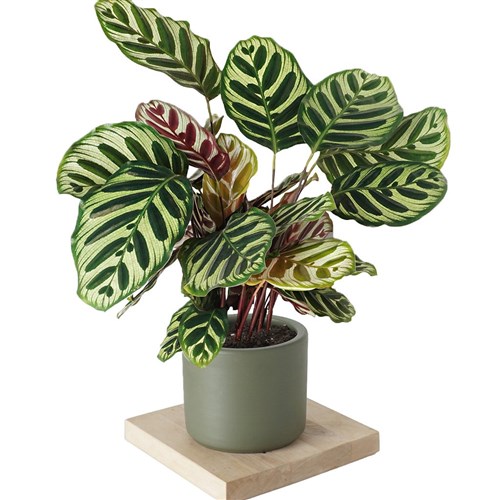
Calathea Makoyana (Prayer Plant)
%181699,90 TL
1399,90 TL
Bugün / Ücretsiz Hızlı Teslimat
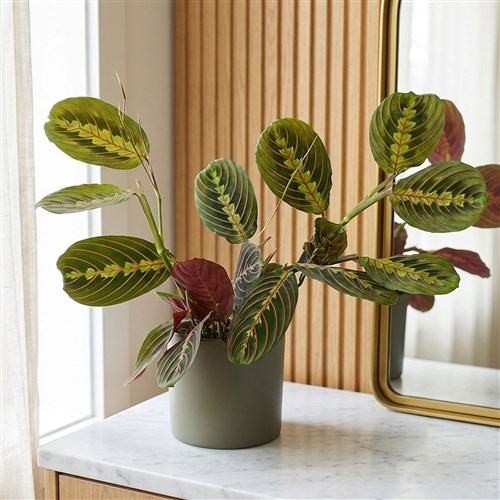
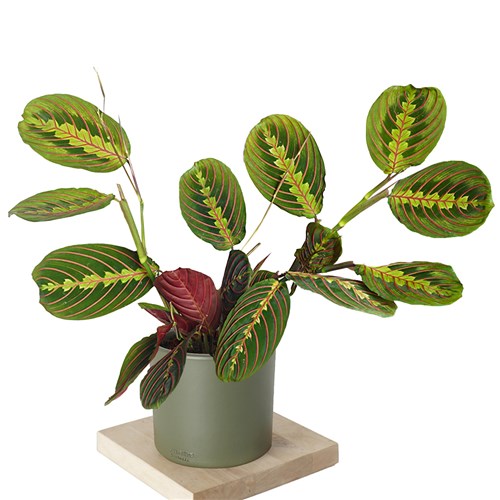
Maranta Tricolor (Prayer Plant)
%141399,90 TL
1199,90 TL
Bugün / Ücretsiz Hızlı Teslimat
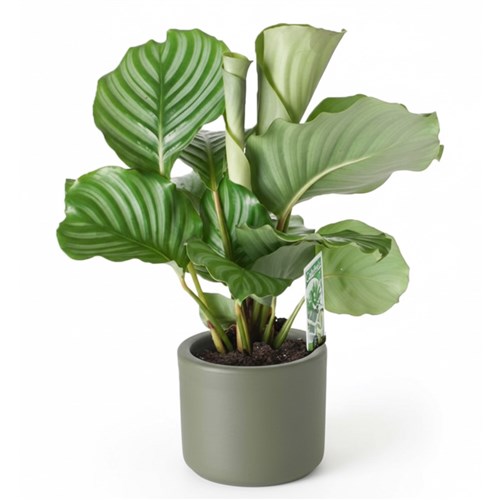
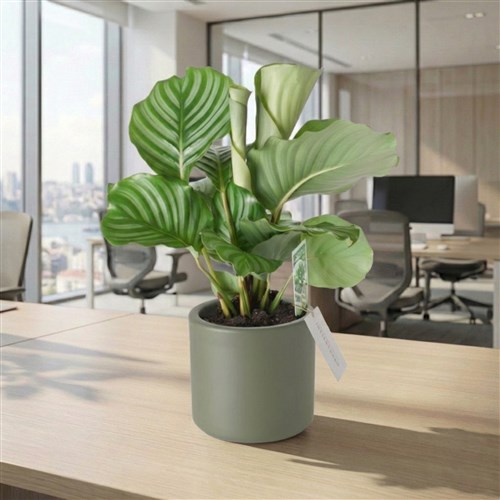
Calathea Orbifolia (Prayer Plant)
1399,90 TL
Bugün / Ücretsiz Hızlı Teslimat

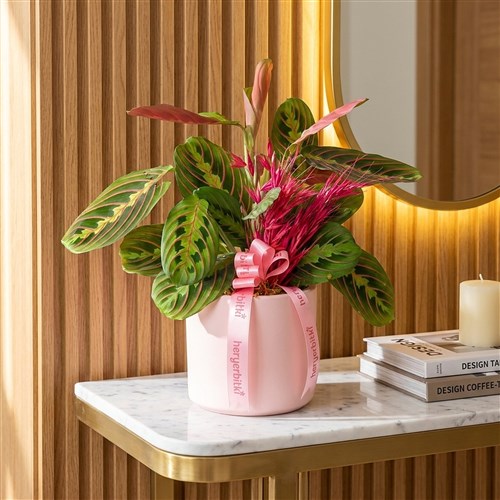
Prayer Plant Maranta in a Pink Pot
1199,90 TL
Bugün / Ücretsiz Hızlı Teslimat
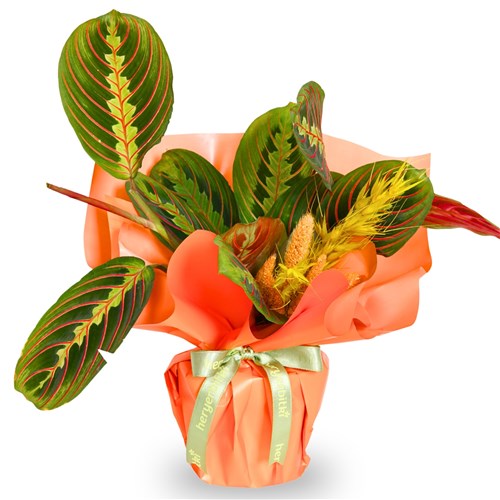

Maranta Gift (Gift-Wrapped Maranta Prayer Flower)
1099,90 TL
Bugün / Ücretsiz Hızlı Teslimat
Prayer Plant: A Decorative and Calming Plant
Prayer Plant (Maranta) is a plant frequently chosen for indoor spaces, attracting attention with its elegant leaf patterns and pleasant appearance. Maranta is popularly known as the prayer plant because its leaves close at night and open again in the morning, a movement likened to praying hands. Thanks to the patterns and movement of its leaves, it creates both an aesthetically pleasing and peaceful atmosphere. Widely preferred in interior decoration, the prayer plant is a hardy plant that can grow healthily even in low light.
Prayer Plant Characteristics
The Prayer Plant (Prayer Plant ) attracts attention with its eye-catching leaf patterns and vibrant colors. The plant's leaves move throughout the day, closing upwards in the evenings and opening again in the mornings. Therefore, it offers both a visual feast in home decor and appeals to plant enthusiasts.
Leaves: Known for its broad, oval, and patterned leaves. The green, red, and white patterns on its leaves add a unique beauty to the plant. Growth Habits: It grows healthily even in low light. It should not be exposed to direct sunlight. Humidity Preferred: It loves humid environments, and regularly spraying water on its leaves supports its growth. Moving Leaves: The plant's leaves open in the morning and close in the evening. This movement makes the plant look like it's praying, hence its name "prayer plant".
How should a prayer plant be cared for?
With proper care, the Prayer Plant can remain vibrant and healthy for many years. Here are some important points to consider when caring for a Prayer Plant :
Light: It should not be exposed to direct sunlight. It thrives best in a bright but indirectly lit environment. It can also grow in dimly lit areas, but its growth rate may be slower. Watering: The soil should be kept consistently moist, but overwatering should be avoided. Watering frequency can be slightly reduced during winter months. When watering, it is sufficient to water when the top layer of soil is slightly dry. Humidity: Prayer plants love high humidity levels. Regularly misting their leaves with water helps keep the plant healthy. You can also place a container of water around the plant to maintain a humid environment. Soil and Potting: It is necessary to use soil that provides good drainage and is rich in organic matter. Repotting every two years supports healthy root development. Temperature: Keeping the temperature between 15-25 degrees Celsius is ideal. Extremely hot or cold environments should be avoided.
Prayer plants are among the most important houseplants to care for. With proper care, they retain their vibrancy and beauty, creating a peaceful atmosphere in your home.
How to prevent prayer plant leaves from yellowing?
Yellowing of prayer plant leaves is usually caused by growing the plant in unsuitable conditions. To prevent yellowing of the leaves, the following steps should be taken:
Reasons:
Incorrect Watering: Overwatering or underwatering can damage root health and cause leaves to yellow. Low Humidity: Prayer plants prefer humid environments. Dry air can cause leaves to yellow. Excessive Sunlight: Direct sunlight can cause leaves to burn and yellow. Nutrient Deficiency: Failure to regularly fertilize the plant can lead to yellowing leaves. Soil Salinization: Salts accumulating in the soil due to prolonged watering can damage the plant's roots and cause leaves to yellow.
Solutions:
Proper Watering Schedule: Avoid overwatering and water only when the top layer of soil is dry. Prevent waterlogging by using a pot and soil with good drainage. Increase Humidity Levels: Regularly mist the leaves with water and use a container of water to increase humidity around the plant. Adjust Light Levels: Avoid direct sunlight. Place your plant in a bright but indirectly lit location. Regular Nutrient Supplementation: Feed your plant with liquid fertilizer during spring and summer. Nutrient-rich soil helps keep leaves healthier. Soil Change: Changing the soil once a year prevents salt buildup from harming the plant.
By following these steps, you can prevent your prayer plant's leaves from yellowing and ensure healthier growth.
Benefits of Prayer Plant
Prayer plants are known not only for their decorative qualities but also for their health benefits. Here are some of the main benefits offered by prayer plants :
Air Purifying Properties: The prayer plant improves air quality indoors by filtering toxins from the air. Humidity Balance: Because it thrives in humid environments, it adds moisture to the space and reduces dry air problems. Stress Relief: The natural movement of its leaves and its calming appearance can help you relieve stress. The presence of plants creates an environment that positively affects mental health. Decorative and Aesthetic: Thanks to its patterned leaves and natural movement, the prayer plant is preferred as a decorative element in indoor spaces. It has both a visual and a relaxing effect.
Prayer plants offer both visual appeal indoors and are known for their health benefits.
Order Fresh Prayer Plants
Prayer Plants , with their elegant appearance and aesthetic structure, are the perfect choice to create a peaceful atmosphere in your home or office. You can order live Prayer Plants from Heryerbitki and gift this special plant to your loved ones or add it to your living space. With fast delivery and careful packaging, your Prayer Plants will arrive at your address in the healthiest condition. You can order your Prayer Plants in decorative pots or in flower baskets .
Prayer Flower Prices
Prayer Plant prices can vary depending on the size and leaf structure of the plant. At Heryerbitki, you can find prayer plant options to suit your budget and create a natural touch in your home with this elegant plant.
Types of Prayer Plants
Among prayer plant varieties, maranta, orbifolia, makoyana, and sanderiana medallion stand out with their decorative leaves and easy care. You can find prayer plant varieties in decorative pots at www.heryerbitki.com .