
Sansevieria
Same-Day Delivery Every Day
Secure Shopping
High Customer Satisfaction

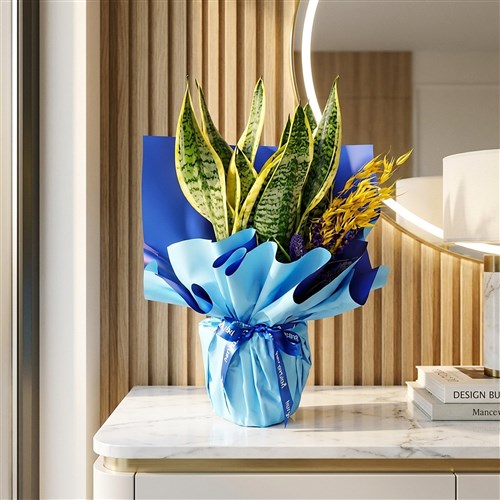
Blue Gift Packaged Snake Plant (Air Purifying Plant)
%211399,90 TL
1099,90 TL
Delivery on November 25
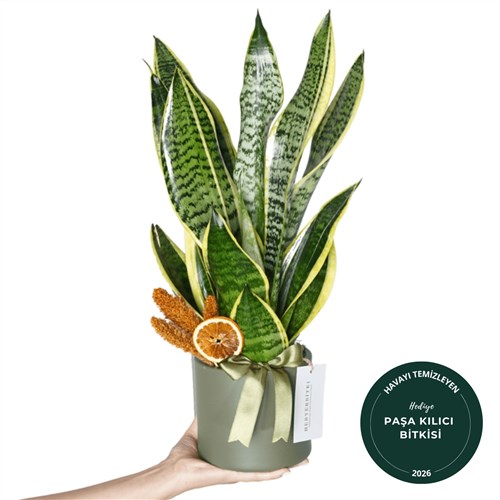
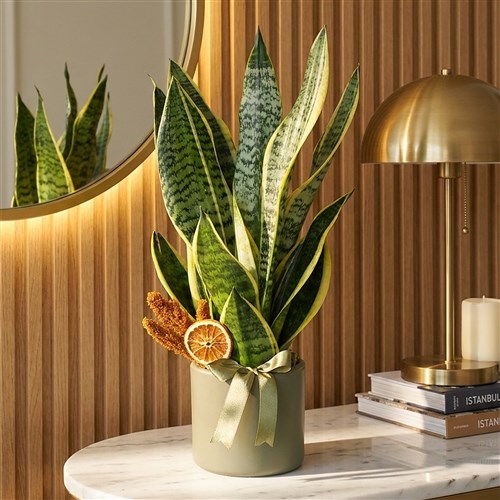
Black Gold Sansevieria Gift Air Purifying Plant
%81309,90 TL
1199,90 TL
Delivery on November 25
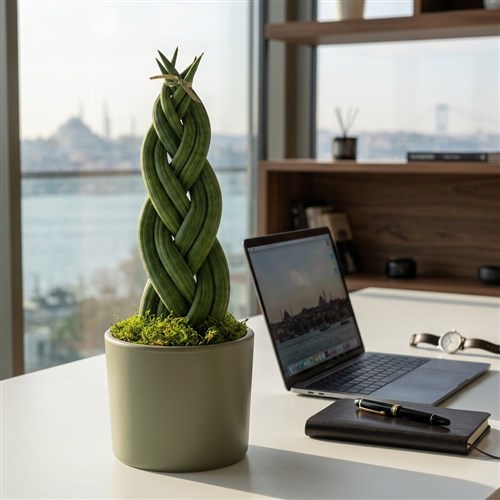
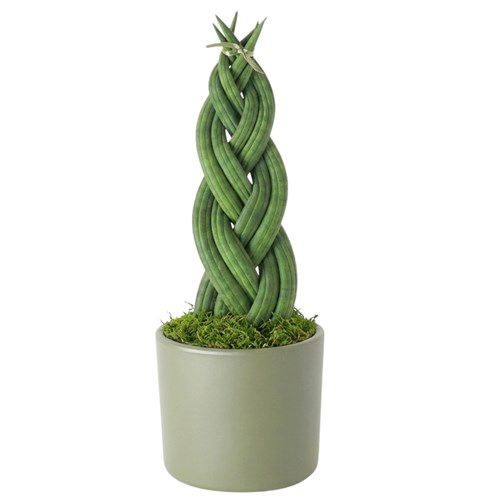
Sansevieria (Örgülü Paşa Kılıcı)
%191599,90 TL
1299,90 TL
Delivery on November 25
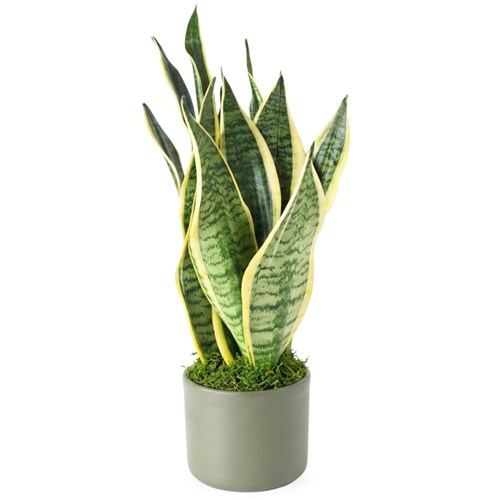

Sansevieria Black Gold
1109,90 TL
Delivery on November 25

Sansevieria Gift
1149,90 TL
Delivery on November 25
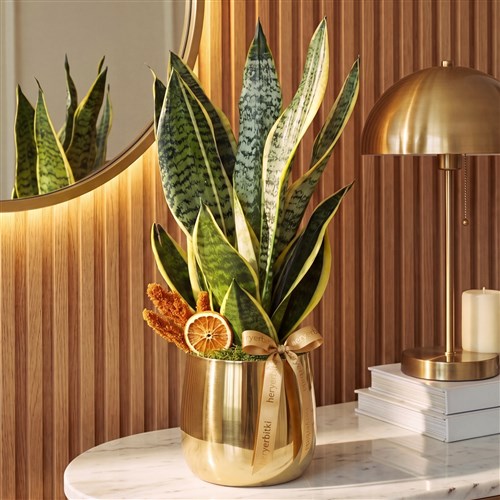
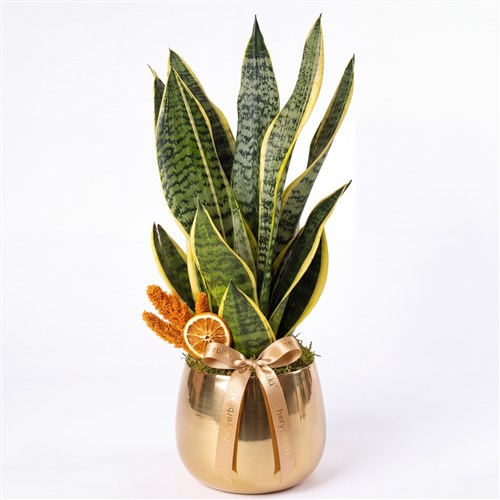
Paşa Kılıcı Aranjmanı - Gold Saksıda
%171799,90 TL
1499,90 TL
Delivery on November 25
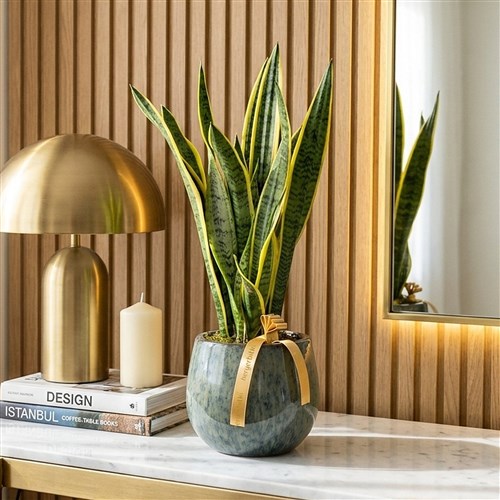
70-75cm Snake Plant Arrangement in Premium Pot
%172999,90 TL
2499,90 TL
Delivery on November 25
Snake Plant: The Hardy Plant That Purifies the Air
The snake plant (sansevieria), with its upright, sharp leaves and modern look, is one of the easiest indoor plants to care for. It is known as a true air purifier: in NASA's research on indoor plants, it was among the plants observed to improve air quality by filtering certain harmful substances from the air. Thanks to its remarkable tolerance of neglect, it is an ideal, long-lasting and stylish choice for both home and office. At Heryerbitki, snake plants are carefully prepared by our professional florists in a range of sizes and pot options.
Snake Plant Features
Native to Africa, the snake plant is also known in Turkey as "peygamber kılıcı"; around the world it is called the "snake plant" because of its upright leaf form. Its thick, sturdy and strong leaves place it among the very easiest indoor plants to care for. The grey-green patterns on its leaves and the golden-yellow edges of some varieties turn each leaf into a natural graphic design. Its slow, steady growth means it keeps its shape for years and rarely needs repotting.
What Does the Snake Plant Symbolize and Who Is It For?
With its upright, strong stance, the snake plant symbolizes determination, resilience and protection. This makes it one of the most meaningful gifts for new beginnings such as a new job, a promotion, a new home or a grand opening. It is a perfect choice for beginner plant owners, busy professionals and frequent travelers; even those who say "I'm no good with plants" can happily care for a snake plant. Fitting into any setting, from office desks and meeting rooms to living rooms and bedrooms, it is a lasting gesture that lives for many years.
Snake Plant Varieties
Snake plants come in different types and varieties, including colored, Black Gold, Moonshine and Black. Black Gold is the most classic and striking variety, with golden-yellow edges framing its dark green leaves. Moonshine, with its silvery light green leaves, is a favorite for modern and minimalist interiors. Dark-leaved Black varieties appeal to those looking for a sophisticated contrast. With options ranging from mini sizes to floor-plant sizes, there is a snake plant for every corner.
Braided Snake Plant
Standing out among the most popular snake plant types for its modern look and easy care, the braided snake plant is far more than an ordinary plant: with its elegantly braided leaves, it is a sculptural decorative piece. Offered in three sizes and five ceramic pot options, the braided snake plant is one of the most popular potted plants and makes an impressive gift for both home and office.
Are Colored Snake Plants Real?
Colored snake plants are real. However, the colored velvety part on the leaf tips is a decorative material added afterwards and supports the plant's healthy growth. The plant itself is entirely living and natural; even as the colored tips fade over time, the snake plant continues to grow healthily.
How to Care for a Snake Plant
Snake plants prefer bright spots without direct sunlight, but they adapt to almost any condition, from low-light corners to bright windowsills. The golden rule of watering is to wait: let the soil dry out completely before watering; watering every 10-15 days is usually enough, and even less often in winter. Overwatering is the only serious risk, as it damages the roots; well-draining soil and never leaving water in the saucer will keep the plant healthy for years. It tolerates dry air, and its leaves do not need misting. For a detailed care guide, check out our blog post "How to care for a snake plant?".
Common Snake Plant Care Mistakes
The most common mistake is watering too often; leaves softening at the base and turning yellow are almost always a sign of too much water. In this case, pausing watering and letting the soil dry out thoroughly usually helps the plant recover. The second mistake is cold drafts; snake plants love warm spots and should be kept away from cold windows and doorway drafts in winter. Instead of wiping the leaves, simply dusting them with a dry cloth is enough; leaf shine and oily products clog the pores and stress the plant.
Benefits of the Snake Plant
Unlike most plants, the snake plant releases oxygen and stores carbon dioxide throughout the night, which is why it is known for creating a healthier sleep environment in the bedroom. Its ability to filter certain harmful substances from the air also makes it a must-have for enclosed office spaces. Thanks to its low-maintenance nature, it isn't affected by neglect even during busy periods, and its aesthetic stance adds a sense of order and modernity to any space.
Popular Categories Alongside Snake Plants
Those looking for hardy, easy-care plants often choose zamioculcas (ZZ plant) and succulents alongside snake plants. For a minimal desk touch, browse our cactus collection, or for an elegant air-purifying alternative, our peace lily collection.
Why Heryerbitki?
At Heryerbitki, snake plants are selected from healthy, well-shaped plants and carefully prepared by our professional florists in stylish pot options. With same-day delivery across Turkey and 90-minute delivery in eligible areas, your plant reaches your loved ones undamaged. Backed by hundreds of thousands of successful orders, every step is handled with care.
Frequently Asked Questions
How often should a snake plant be watered? When the soil is completely dry, usually every 10-15 days; much less often in winter. Overwatering is the biggest risk.
Can a snake plant survive in low light? Yes, it is extremely tolerant of low-light conditions, but it grows faster and in better shape in bright indirect light.
Does a snake plant produce oxygen at night? Yes; unlike most plants, it also releases oxygen at night, making it one of the best plants for the bedroom.
Are "paşa kılıcı" and "peygamber kılıcı" the same plant? Yes, both are common Turkish names for the sansevieria plant.
Why have my snake plant's leaves gone soft? The most common cause is overwatering; pausing watering and letting the soil dry out thoroughly usually helps the plant recover.
Is the snake plant safe for pets? The leaves should not be eaten; it is best to place the plant somewhere cats and dogs cannot reach so they don't chew on it.
Does the snake plant flower? Under the right conditions, mature plants may occasionally produce fragrant, white-cream flowers on thin stalks; this is a sign that the plant is healthy.