
Rubber Plant
Same-Day Delivery Every Day
Secure Shopping
High Customer Satisfaction
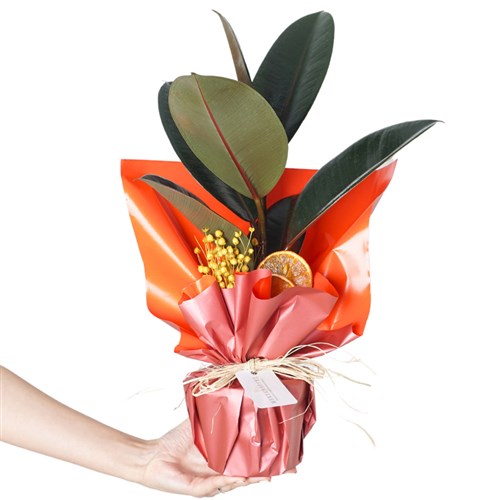
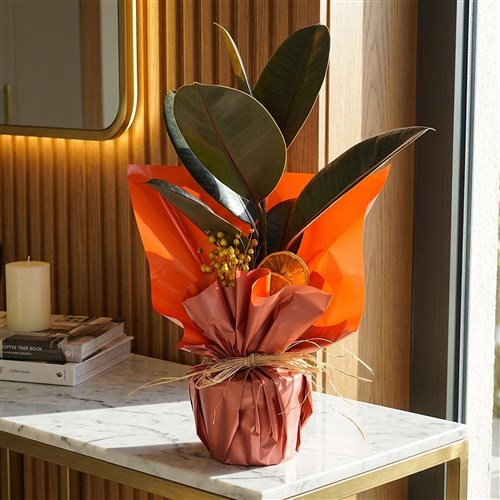
Ficus Elastica Gift (Rubber Plant)
799,90 TL
Delivery Today
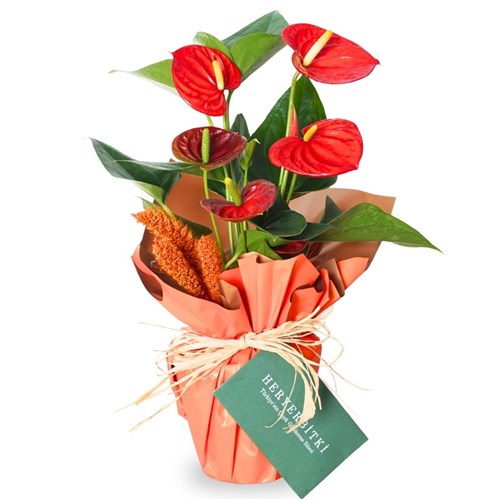
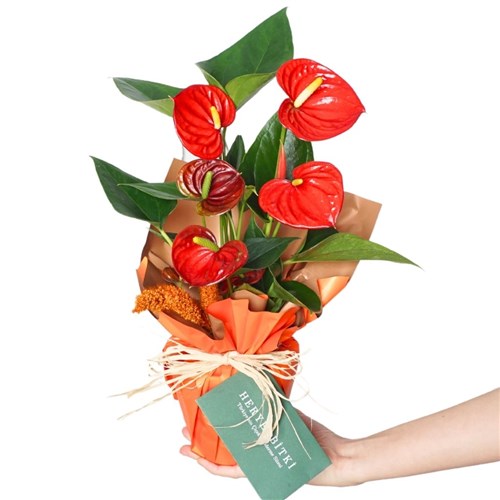
Amber Anthirium Gift (Red Anthurium Arrangement)
%131499,90 TL
1299,90 TL
Delivery Today
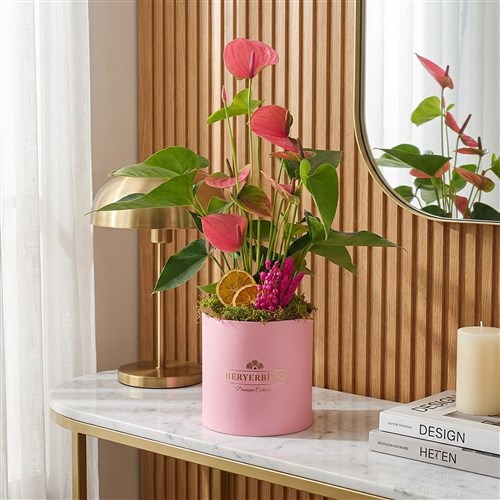
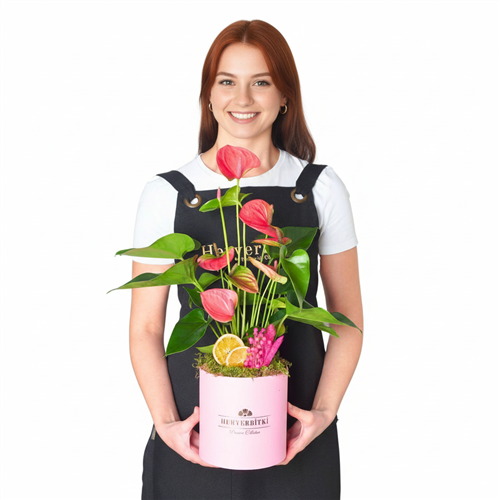
Premium Anthurium Gift (Pink Anthurium Arrangement)
1399,90 TL
Delivery Today
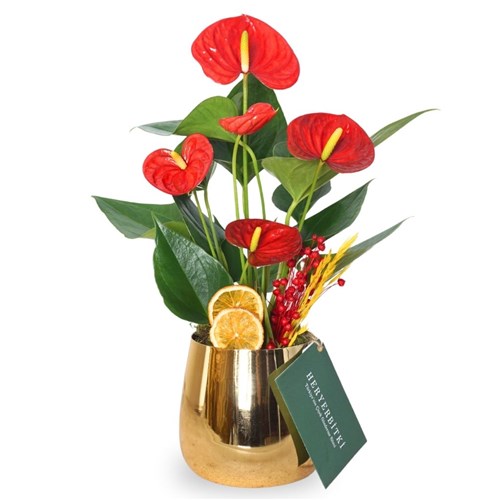
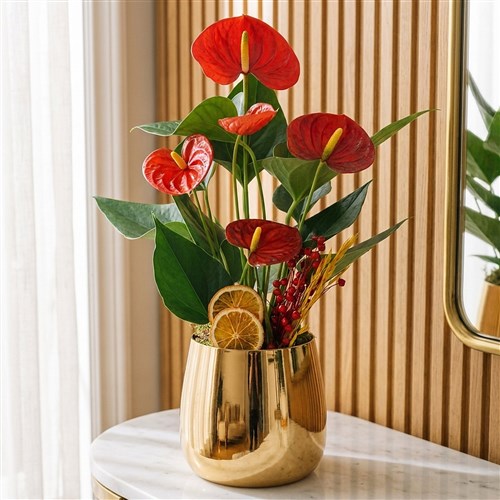
Premium Golden Anthirium Gift (Red Anthurium Arrangement)
%171799,90 TL
1499,90 TL
Delivery Today
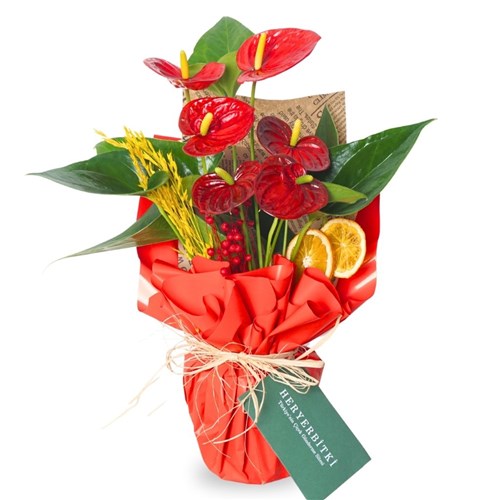
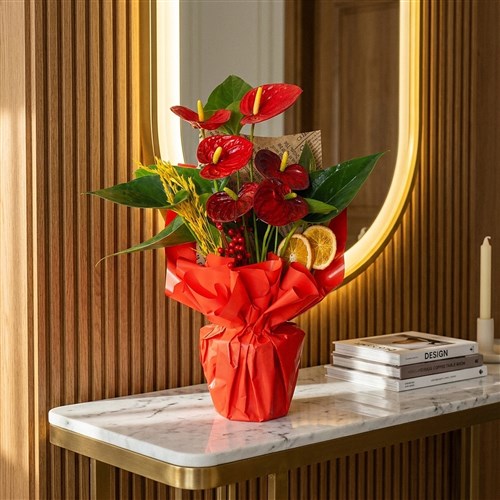
Red Flame Gift (Red Anthurium Arrangement)
%131499,90 TL
1299,90 TL
Delivery Today
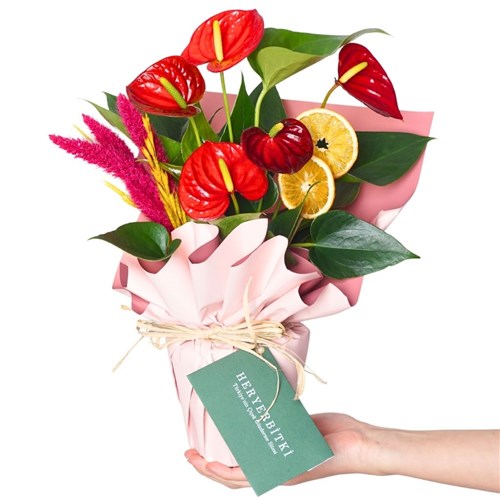
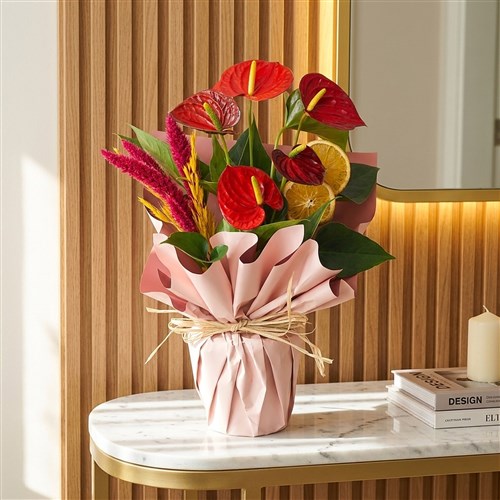
Special Anthirium Gift (Red Anthurium Arrangement)
%41349,90 TL
1299,90 TL
Delivery Today
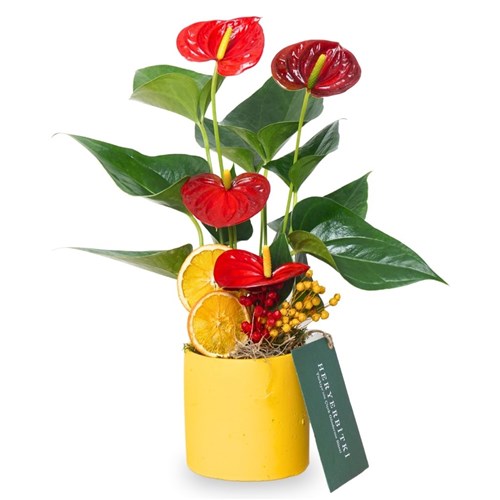
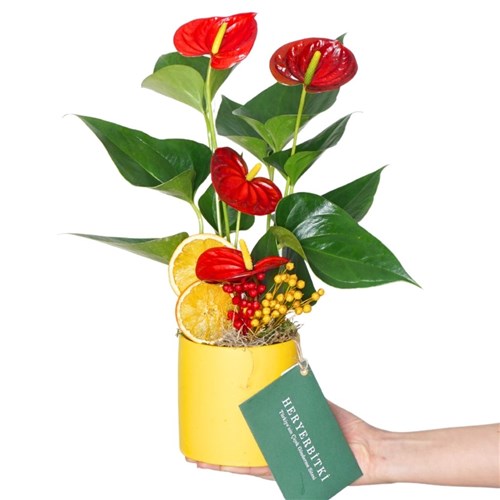
Tropical Gift Anthirium (Red Anthurium in a Yellow Pot)
%191349,90 TL
1099,90 TL
Delivery Today
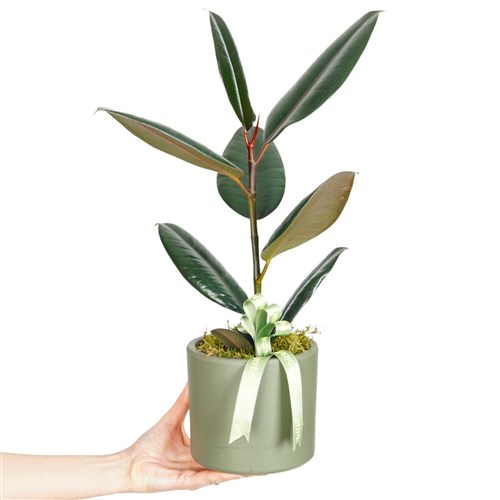
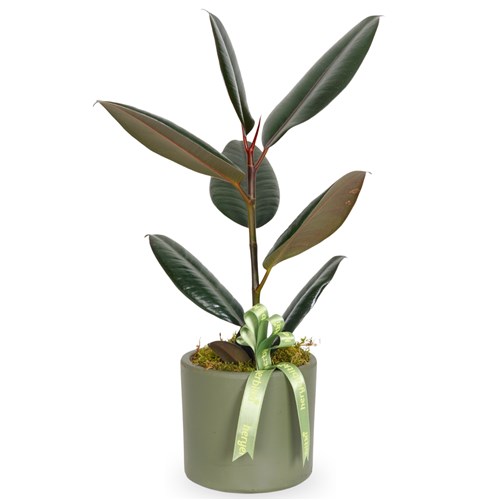
Ficus Elastica (Rubber Plant)
849,90 TL
Delivery Today
Rubber Plant (Ficus Elastica): The Embodiment of Resilience and Elegance
The Rubber Plant (Ficus Elastica) is a hardy, striking plant with large, glossy leaves that is a popular choice for indoor spaces. Also known for its air-purifying properties, this plant is a favorite in homes and offices. Thanks to its easy care and eye-catching foliage, the Rubber Plant adds an elegant touch to any space and is one of the easy-care plants.
In this article, you'll find everything you need to know about caring for, propagating and the benefits of the Rubber Plant.
Rubber Plant Care
Although the Rubber Plant is hardy, it needs proper care to grow healthily and stay vibrant for a long time. Here are the main points to keep in mind when caring for a Rubber Plant:
Light: The Rubber Plant grows best in bright but indirect light. Its leaves can be damaged by direct sunlight, so place your plant in partial shade or a spot with indirect light., Watering: Water the Rubber Plant regularly. Water when the top of the soil dries out, but make sure the soil is never waterlogged. Overwatering can cause root rot., Temperature and Humidity: This plant thrives at temperatures between 18-24 degrees. Protect it from extreme heat or cold. Misting its leaves can also meet its humidity needs., Soil and Fertilizer: The Rubber Plant prefers well-draining, nutrient-rich soil. Feeding it with liquid fertilizer once a month in spring and summer supports healthy growth., Pruning: Occasionally pruning growing branches helps keep the plant healthy. Yellowing or wilted leaves should also be removed regularly.
By following these care tips, you can keep your Rubber Plant healthier and more vibrant.
How to Propagate a Rubber Plant?
Propagating and rooting a Rubber Plant is quite easy. Here are the steps to root a Rubber Plant:
Taking a Cutting: Cut a healthy branch from your Rubber Plant. The branch should be suitable for rooting and have a few leaves., Rooting in Water or Soil: You can root your cutting in two different ways: Rooting in Water: Place the cutting in clean water. Change the water every 2-3 days. You'll see roots forming after about 4-6 weeks., Rooting in Soil: You can plant the cutting directly in moist soil. You can use rooting hormone to speed up rooting.
Light and Temperature: During rooting, place the plant in bright but indirect light, away from direct sunlight. The temperature should ideally be between 18-24 degrees. Watering: Keep the soil moist while the cutting roots, but avoid overwatering.With these methods, you can easily propagate your Rubber Plant and grow new plants.
Does the Rubber Plant Flower?
The Rubber Plant generally does not flower indoors. In its natural habitat, especially in tropical climates, it can bloom. However, flowering is rare when grown in homes or offices, because the plant needs specific environmental conditions to flower:
Natural Habitat: In tropical regions, under ideal temperature and humidity, the Rubber Plant can flower. These flowers are small and white, but the plant's true beauty lies in its leaves., Indoor Conditions: In homes or offices, the Rubber Plant usually plays a decorative role with its foliage alone. So, without expecting flowers, you can enjoy its eye-catching leaves.
Benefits and Risks of the Rubber Plant
The Rubber Plant is known not only for its looks but also for its health benefits. However, there are some risks to be aware of. Here are the benefits of the Rubber Plant and its potential risks:
Benefits:
Air Purifying: The Rubber Plant cleans indoor air by absorbing toxins and pollutants. It removes harmful substances such as formaldehyde, providing cleaner, healthier air at home., Humidity Balancing: The Rubber Plant raises humidity levels in its surroundings, creating a healthier environment. By reducing the effects of dry air, it has a soothing effect on the respiratory tract., Stress Relief: With its large, glossy leaves, the Rubber Plant brings a natural, calming feel to any space, which can help reduce stress.
Risks:
Toxicity: The leaves and stems of the Rubber Plant can be toxic to people and pets due to their milky white sap. Ingesting the leaves or skin contact can cause irritation., Danger to Pets: Cats and dogs may show signs of poisoning if they eat Rubber Plant leaves, so it's important to keep the plant out of pets' reach.
For these reasons, while enjoying the benefits of the Rubber Plant, it's important to remember to be careful.
Why Do Rubber Plant Leaves Turn Yellow?
Yellowing leaves indicate that the Rubber Plant is experiencing a problem. Here are the main factors that can cause yellow leaves:
Overwatering: One of the most common causes is overwatering. When the Rubber Plant is overwatered, the roots rot, causing the leaves to yellow. Check your watering routine and keep the soil slightly moist, but never waterlogged., Insufficient Light: The Rubber Plant loves bright spots without direct sunlight. If it doesn't get enough light, its leaves may turn yellow. Moving your plant to a brighter location can solve this problem., Nutrient Deficiency: If the Rubber Plant isn't fed regularly, its leaves may yellow. You can feed your plant with liquid fertilizer once a month., Root Bound: If the pot is too small and the roots are cramped, this can also cause yellowing. If your plant is growing quickly, repot it into a larger pot so the roots can develop freely.
By considering these factors, you can prevent leaf yellowing and keep your Rubber Plant healthy.
Order a Live Rubber Plant
Hardy, striking and air-purifying, the Rubber Plant is a perfect choice for indoor spaces. You can order a live Rubber Plant from Heryerbitki and send this unique plant to your home or loved ones with fast delivery and careful packaging.
Rubber Plant Prices
Rubber Plant prices may vary depending on the plant's size and number of leaves. At Heryerbitki, you can find the best prices on potted plants and Rubber Plant options to suit your budget. Bring nature and freshness into your home with this elegant plant today!