
Kitchen Herbs
Same-Day Delivery Every Day
Secure Shopping
High Customer Satisfaction
Types of Flowers
Shop By Style
Price
-
Occassions
Colour
Sort: Suggested Ranking
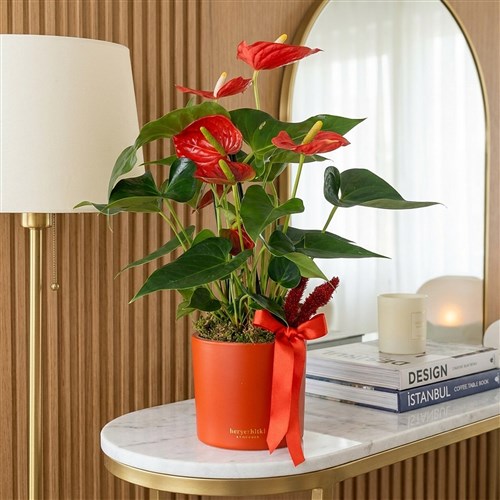
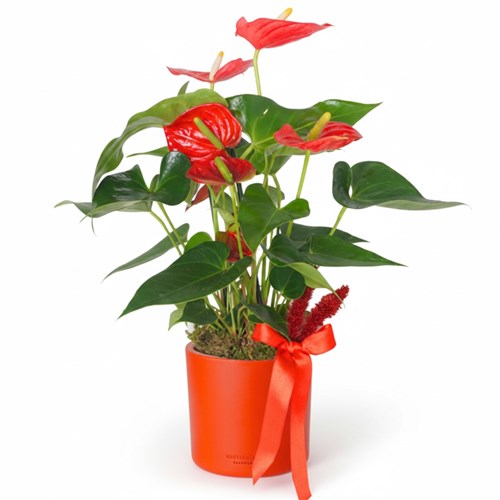
Anthirium Red Gift
1299,90 TL
Bugün / Ücretsiz Hızlı Teslimat
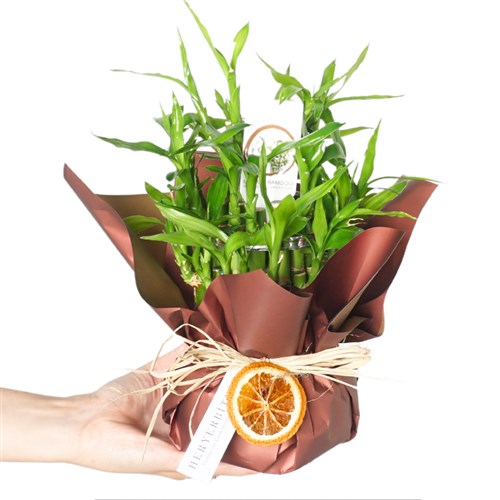
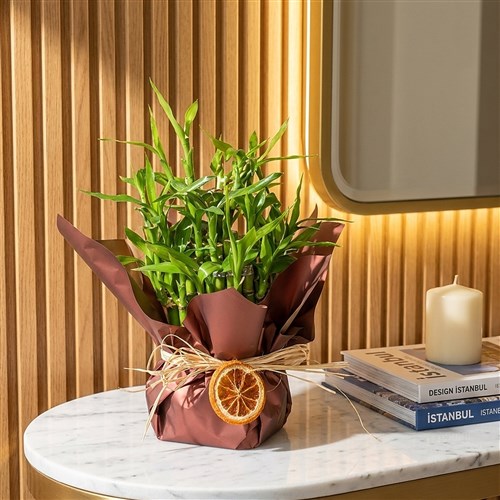
Bamboo Gift (Bamboo Gift Packaged)
1699,90 TL
Bugün / Ücretsiz Hızlı Teslimat
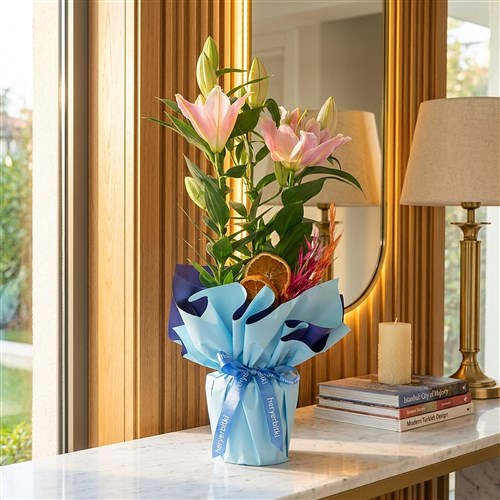
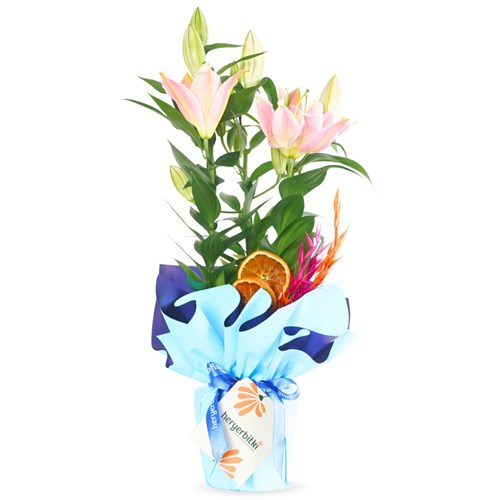
Blue Aura Lily
%411699,90 TL
999,00 TL
Bugün / Ücretsiz Hızlı Teslimat
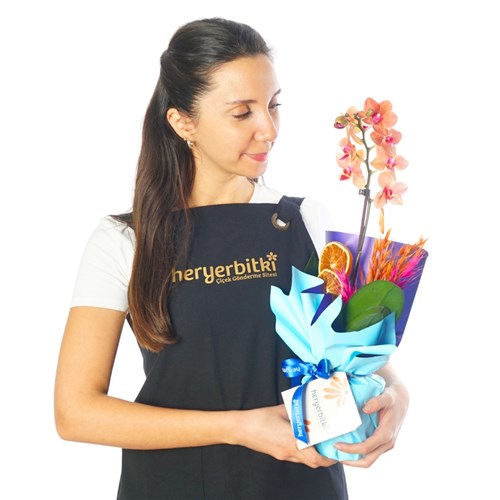
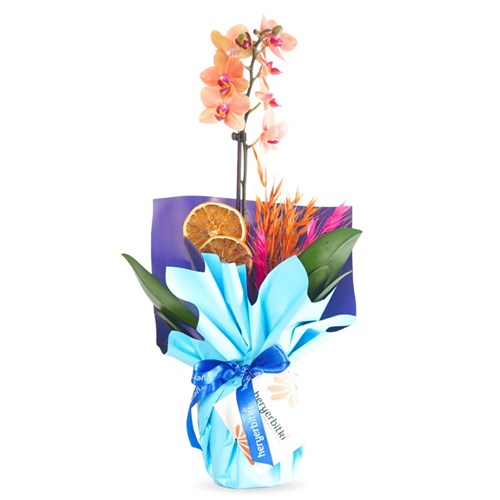
Blue Coral Gift (Fire Orchid Arrangement)
%181699,90 TL
1399,90 TL
Bugün / Ücretsiz Hızlı Teslimat
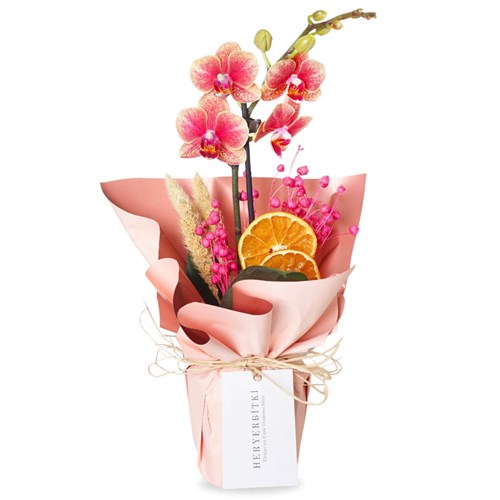
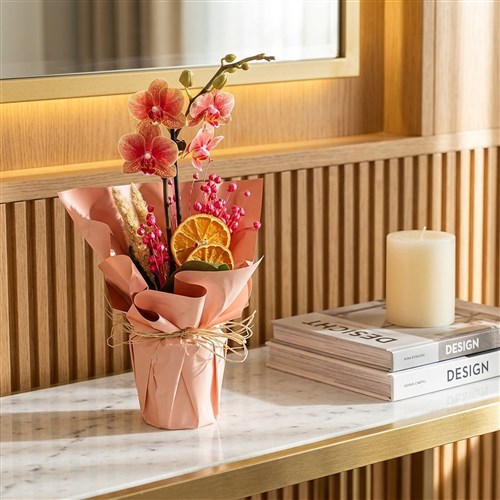
Coral Beauty (Fire Orchid Arrangement)
%221599,90 TL
1249,90 TL
Bugün / Ücretsiz Hızlı Teslimat
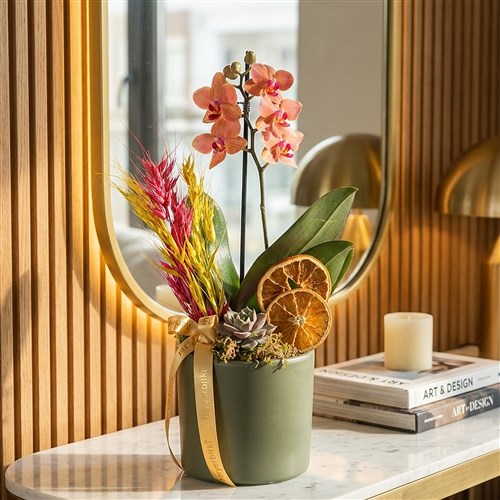
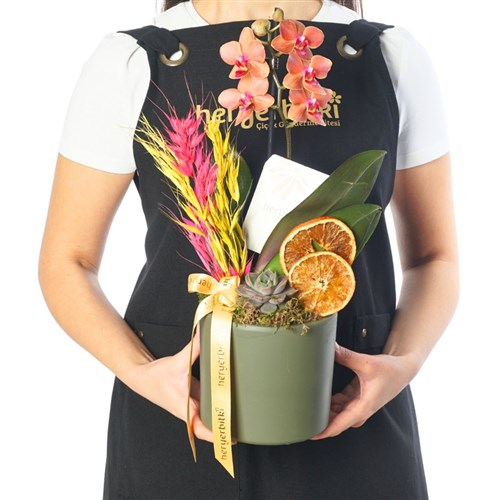
Coral Garden Gift (Fire Orchid Arrangement)
1399,90 TL
Bugün / Ücretsiz Hızlı Teslimat
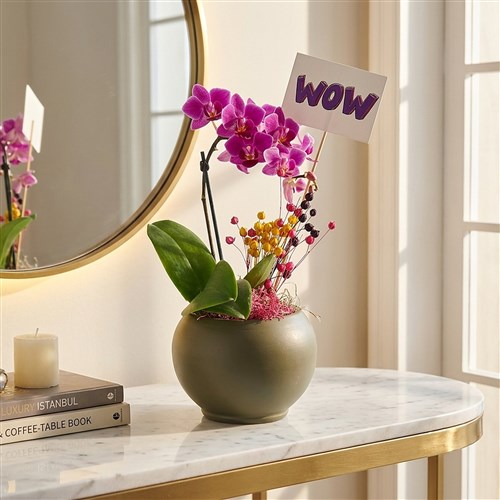
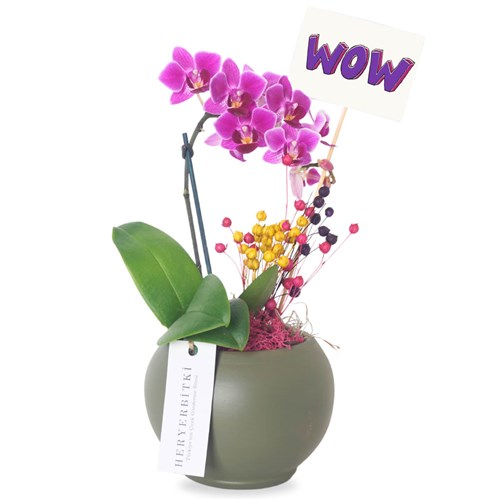
Cute Wow Orchid (Purple Orchid Arrangement)
1149,90 TL
Bugün / Ücretsiz Hızlı Teslimat
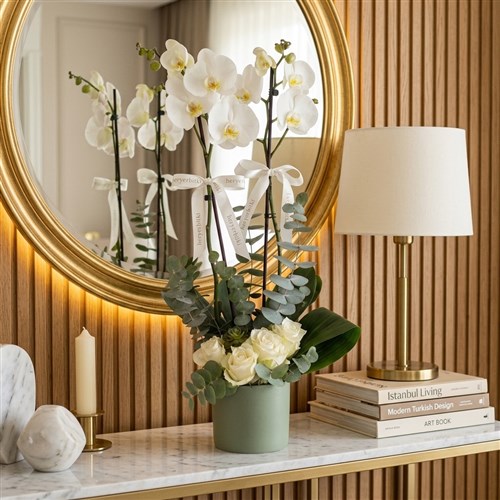
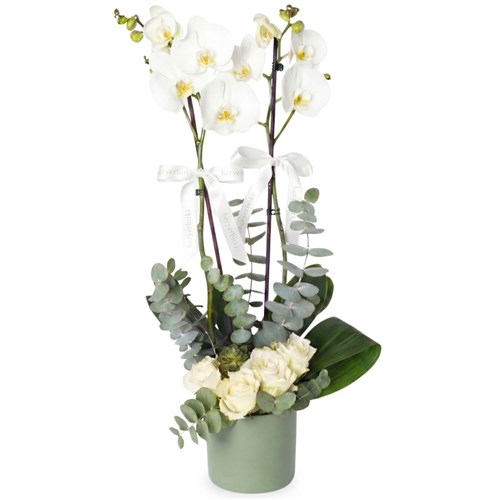
Dream White (Arrangement of White Orchids and Roses in a Green Pot)
%292399,90 TL
1699,90 TL
Bugün / Ücretsiz Hızlı Teslimat
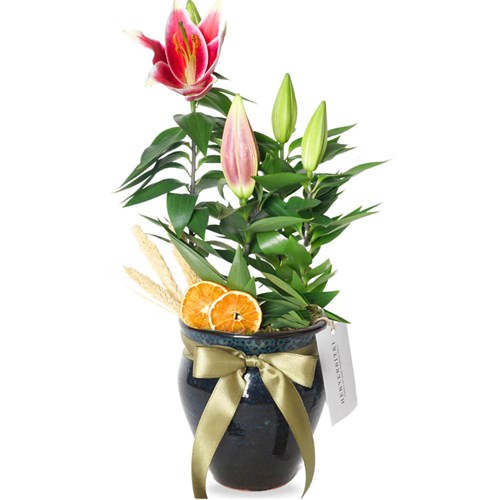
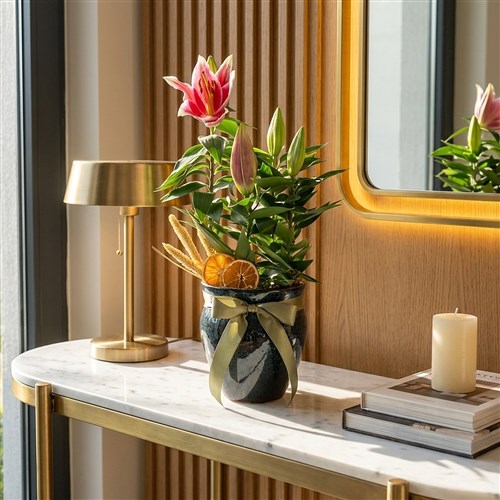
Fragrant Lilies in a Vase
%281799,90 TL
1299,90 TL
Bugün / Ücretsiz Hızlı Teslimat
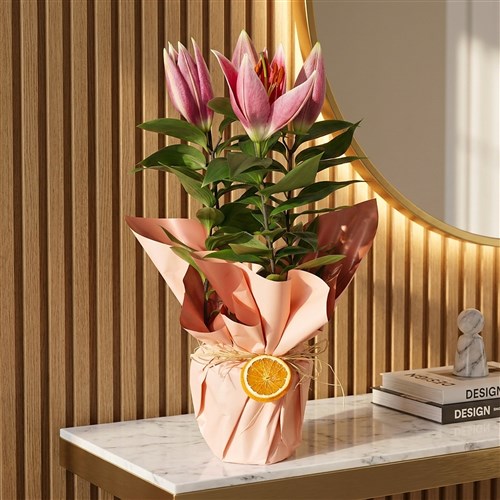
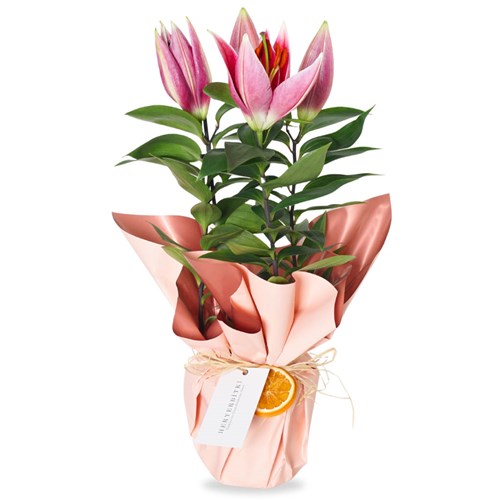
Gift of Scented Lilies
%331499,90 TL
999,00 TL
Bugün / Ücretsiz Hızlı Teslimat
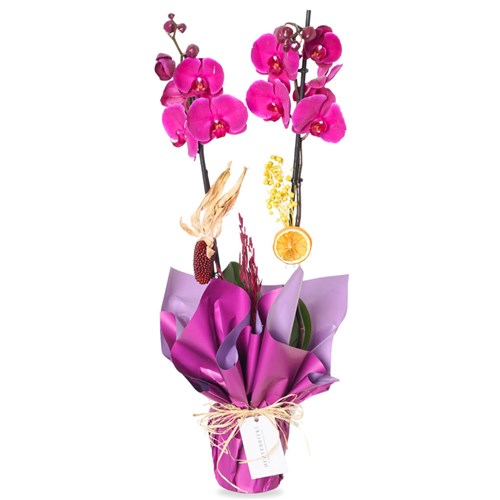
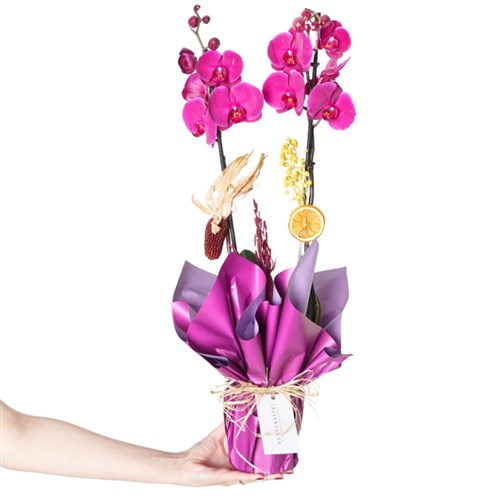
Gorgeous Purple Orchid Arrangement
%182199,90 TL
1799,90 TL
Bugün / Ücretsiz Hızlı Teslimat

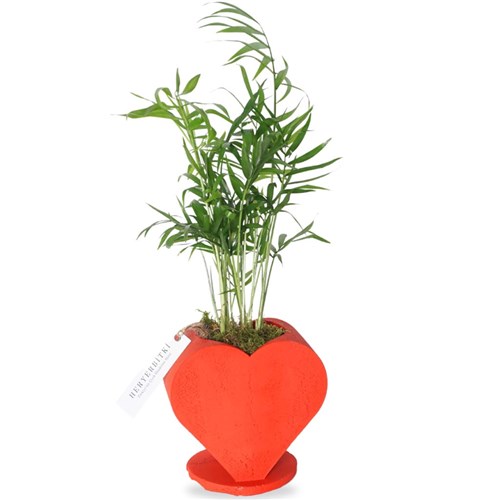
Growing Heart (Palm Tree Arrangement in a Heart-Shaped Pot)
799,90 TL
Bugün / Ücretsiz Hızlı Teslimat
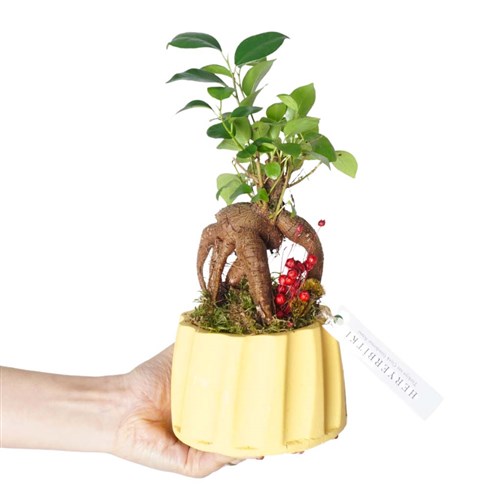
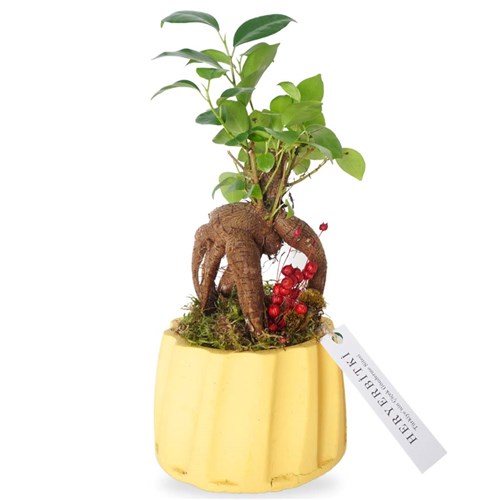
Harmony Bonsai Gift (Bonsai Arrangement)
799,90 TL
Bugün / Ücretsiz Hızlı Teslimat
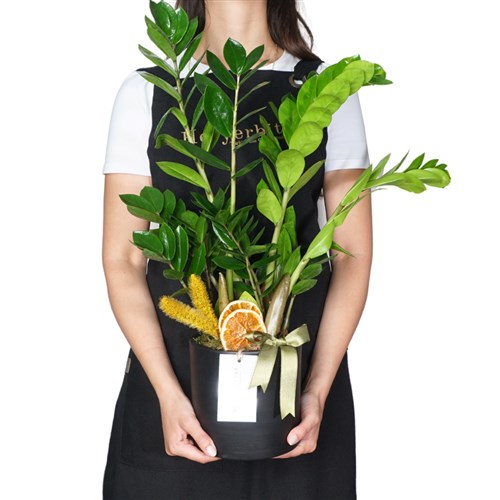
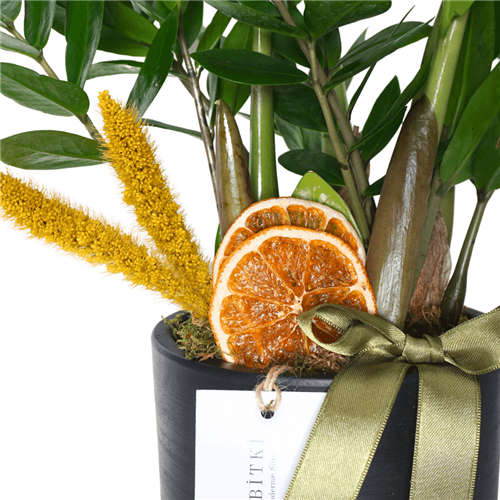
Large Zamia Gift
1799,90 TL
Bugün / Ücretsiz Hızlı Teslimat
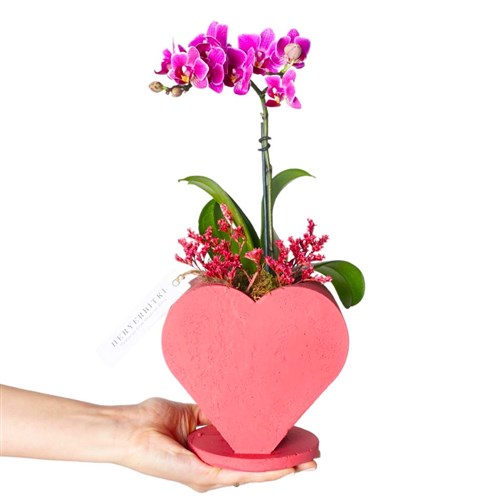
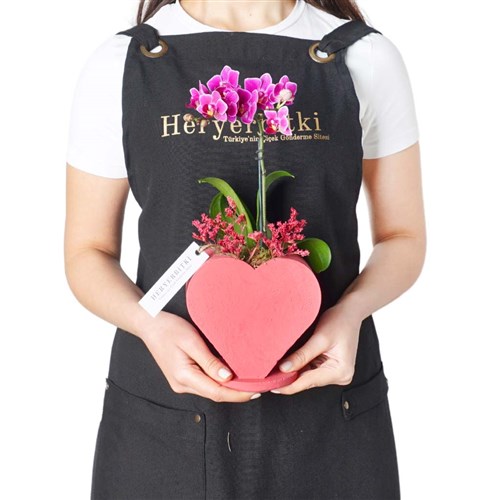
Love of My Life (Purple Orchid Design in Heart Pot)
1199,90 TL
Bugün / Ücretsiz Hızlı Teslimat
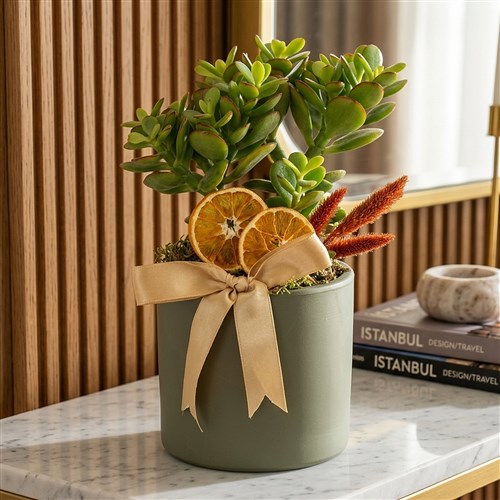
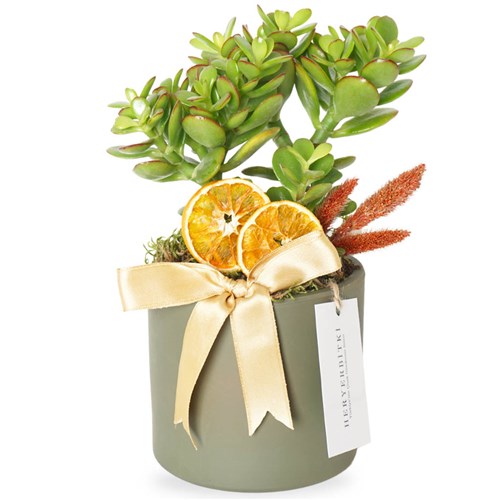
Luckiest (Luck and Money Succulent Arrangement)
999,90 TL
Bugün / Ücretsiz Hızlı Teslimat
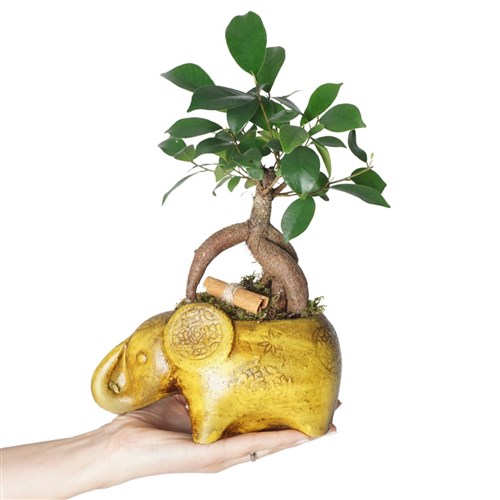
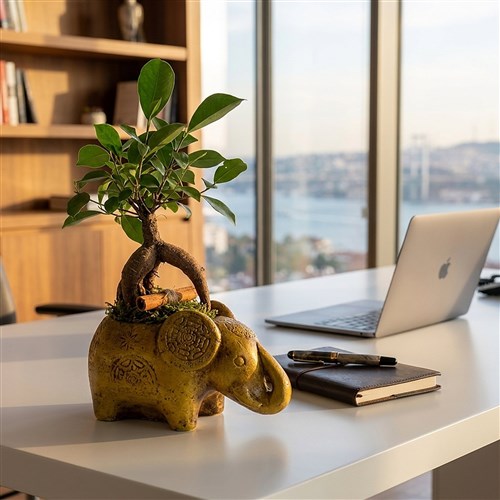
Lucky Charm (Lucky Elephant Bonsai Design)
799,90 TL
Bugün / Ücretsiz Hızlı Teslimat
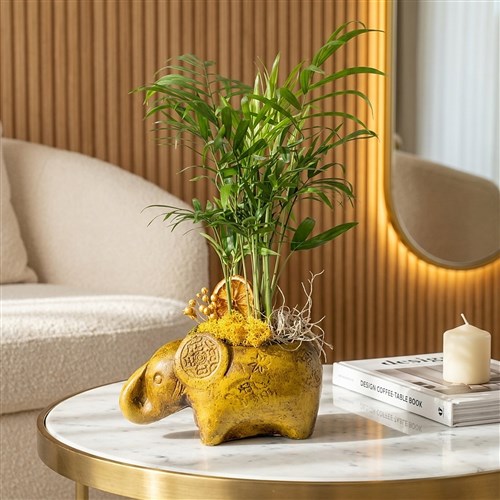
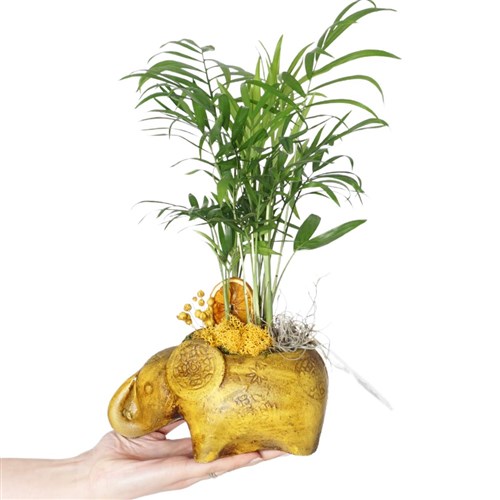
Lucky Elephant (Palm Tree Arrangement)
799,90 TL
Bugün / Ücretsiz Hızlı Teslimat
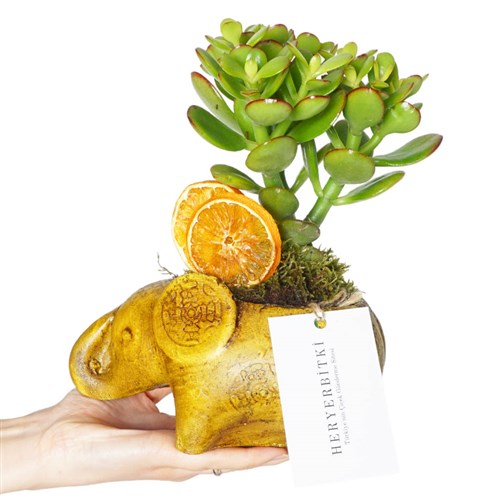
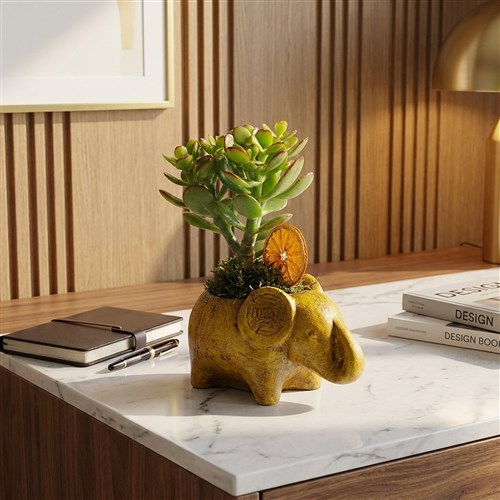
Money Succulent and Lucky Elephant Arrangement
749,90 TL
Bugün / Ücretsiz Hızlı Teslimat
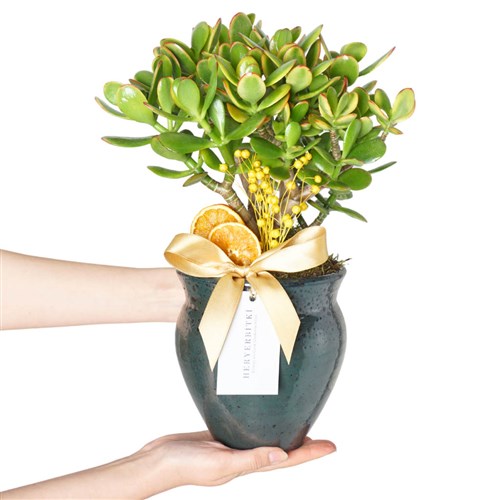
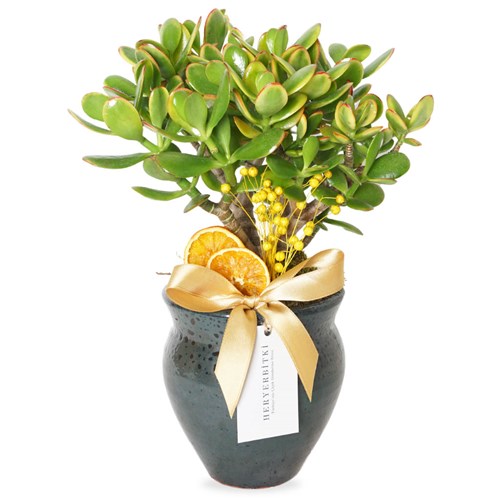
Money Tree Succulent Large Gift
2499,90 TL
Bugün / Ücretsiz Hızlı Teslimat
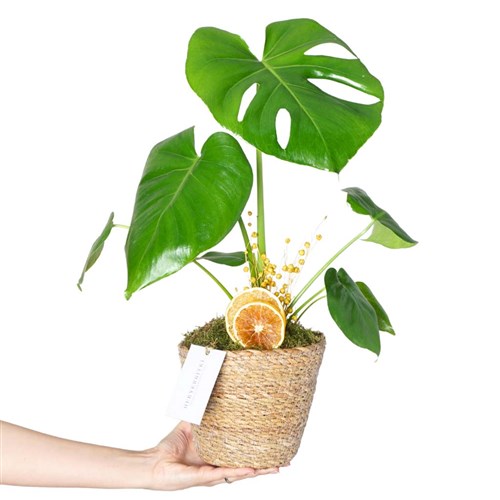
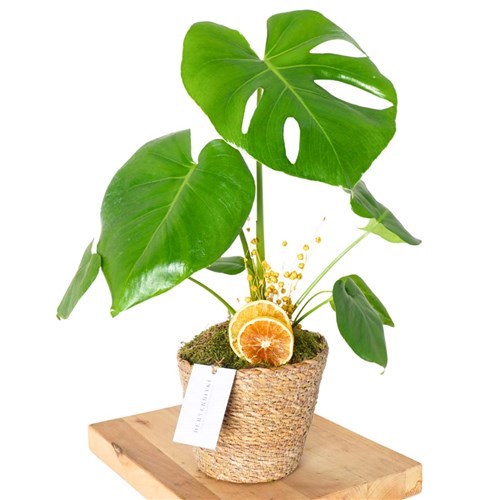
Monstera in Basket
999,90 TL
Bugün / Ücretsiz Hızlı Teslimat
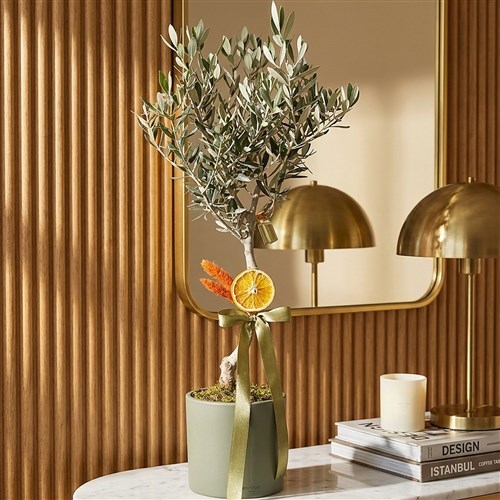
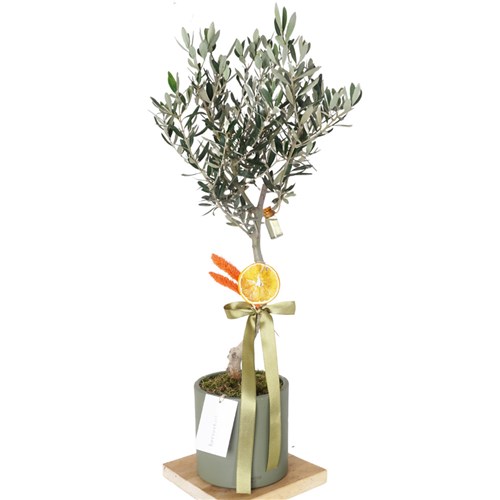
Olive Tree Gift (Green Potted Olive Tree Gift)
%281799,90 TL
1299,90 TL
Bugün / Ücretsiz Hızlı Teslimat
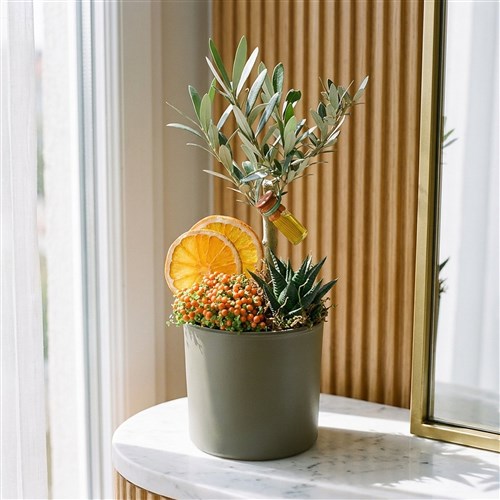
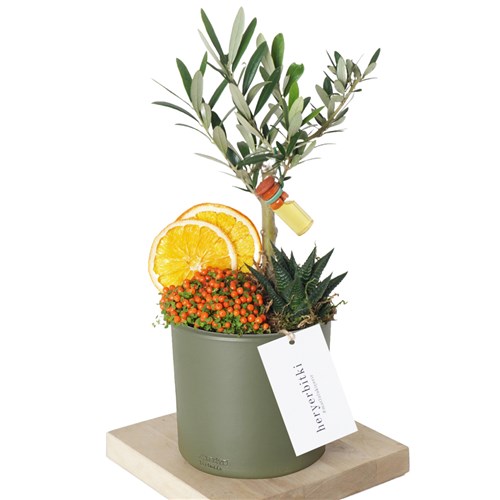
Olive Tree (Green Potted Olive Tree Arrangement)
999,90 TL
Bugün / Ücretsiz Hızlı Teslimat
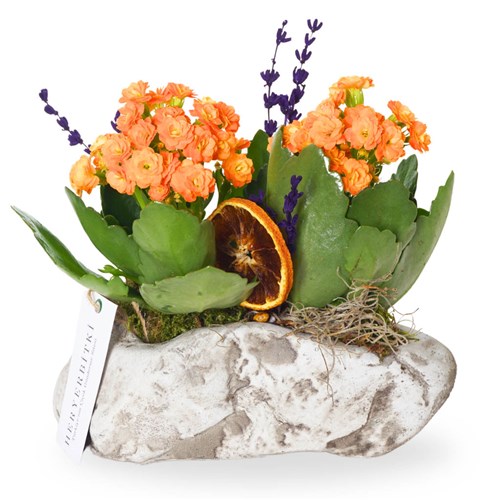
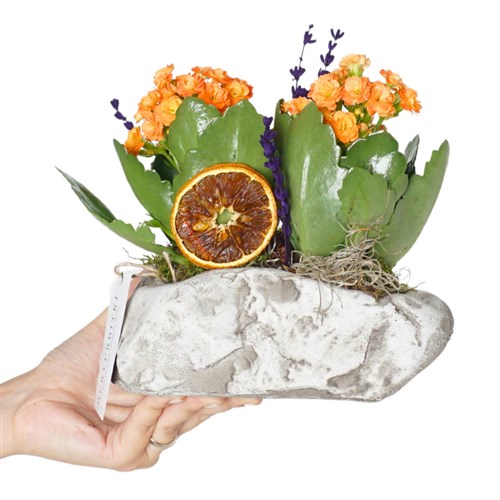
Orange Flower of Kalanchoe Arrangement
799,90 TL
Bugün / Ücretsiz Hızlı Teslimat

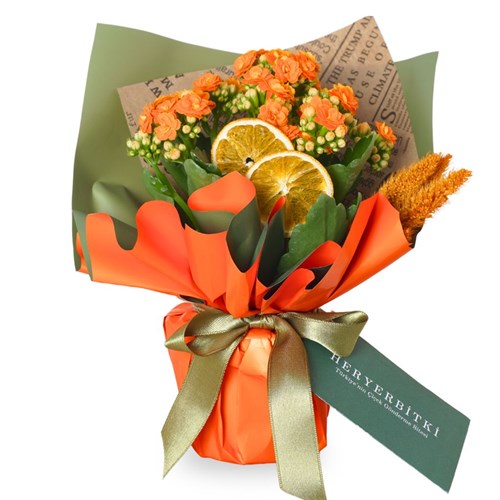
Orange Kalanchoe Gift
%20999,90 TL
799,90 TL
Bugün / Ücretsiz Hızlı Teslimat
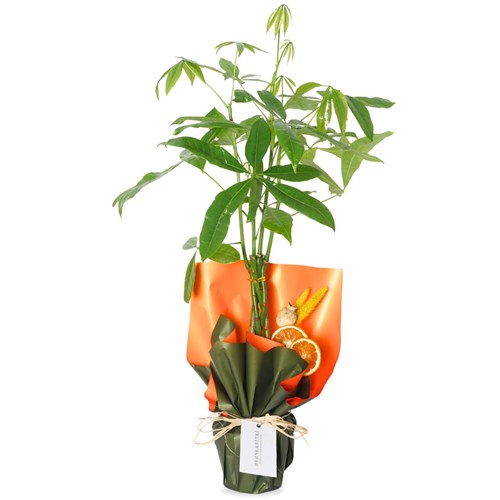
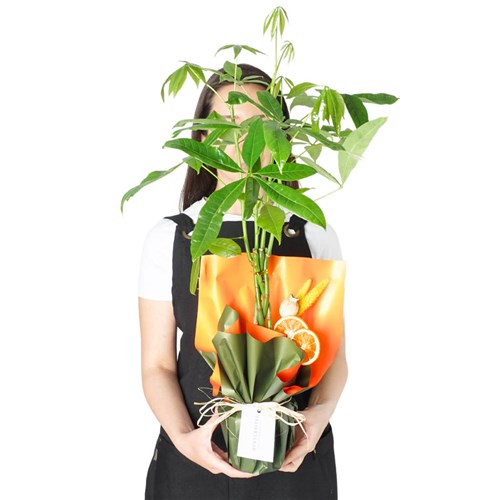
Pachira Gift (Pachira with Braided Body)
1399,90 TL
Bugün / Ücretsiz Hızlı Teslimat
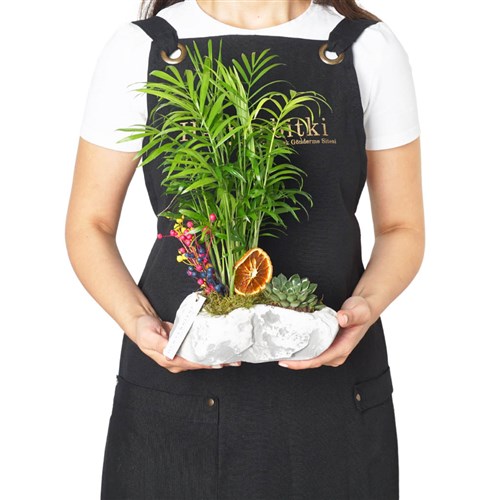
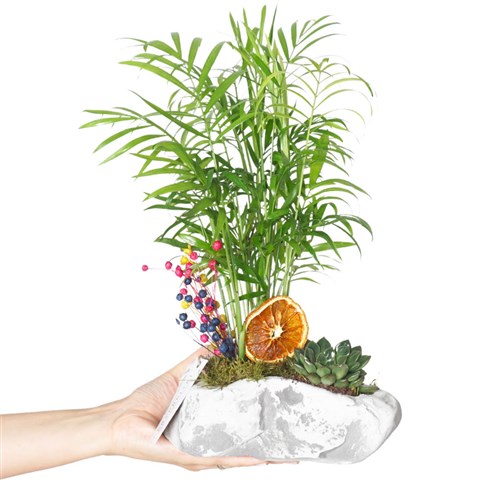
Palm Garden (Palm Tree Arrangement)
799,90 TL
Bugün / Ücretsiz Hızlı Teslimat
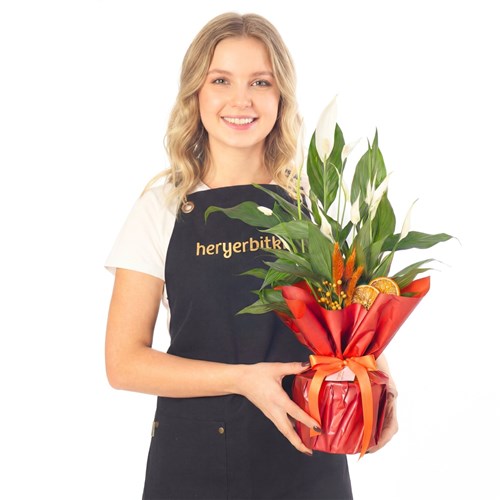
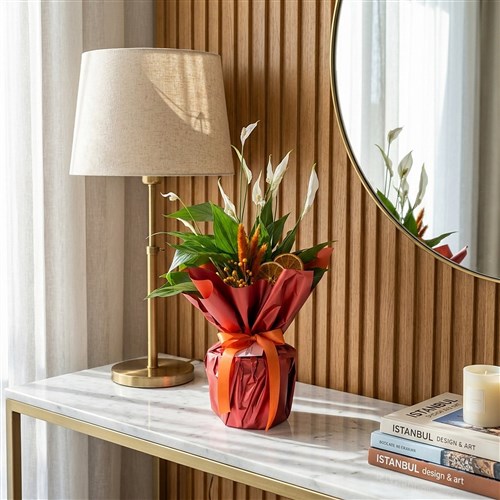
Peace Lily in Gift Packaging
949,90 TL
Bugün / Ücretsiz Hızlı Teslimat
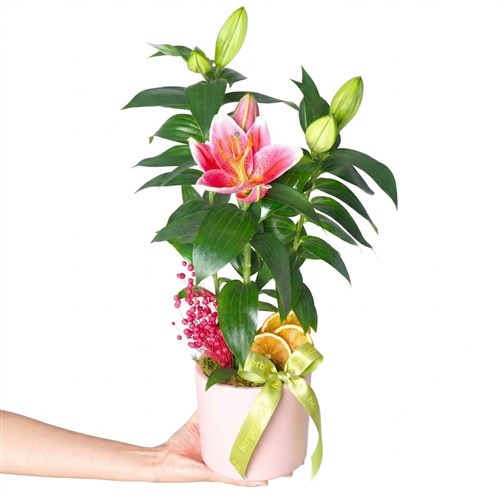
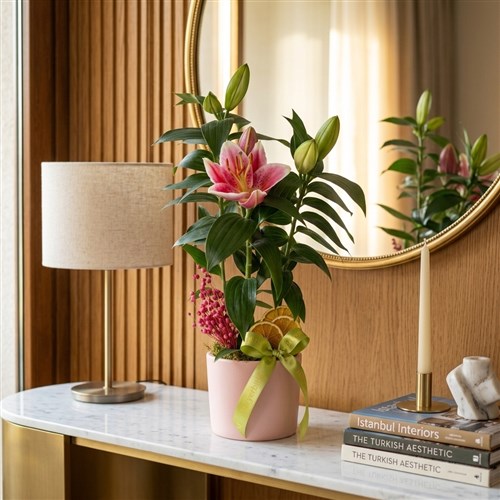
Perfect Gift Lilium (Scented Gift Lily)
%231499,90 TL
1149,90 TL
Bugün / Ücretsiz Hızlı Teslimat
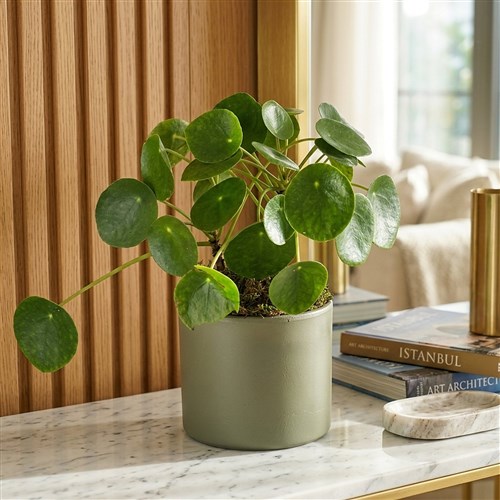
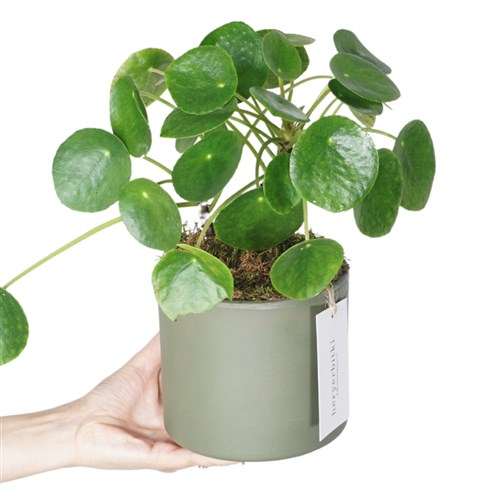
Pilea Pepperomioides Gift (Chinese Chinese Money Plant)
1099,90 TL
Bugün / Ücretsiz Hızlı Teslimat
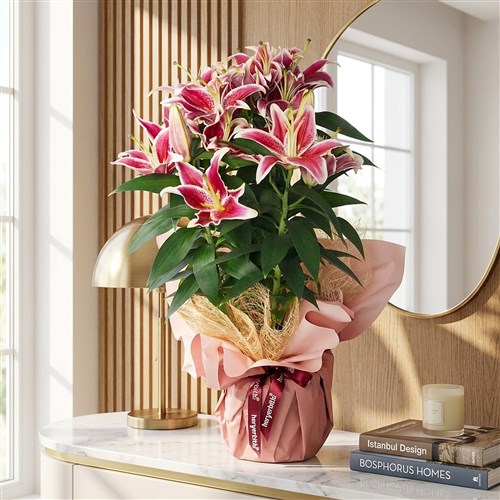
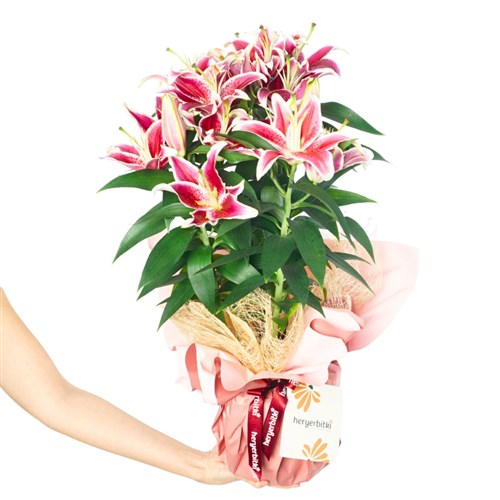
Pink Elegance (XL Pink Lilies)
%162029,90 TL
1699,90 TL
Bugün / Ücretsiz Hızlı Teslimat
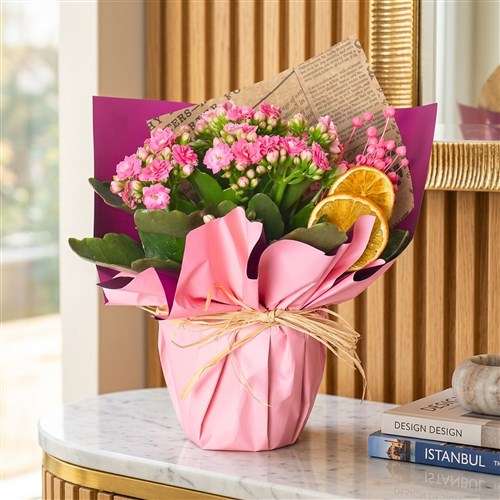
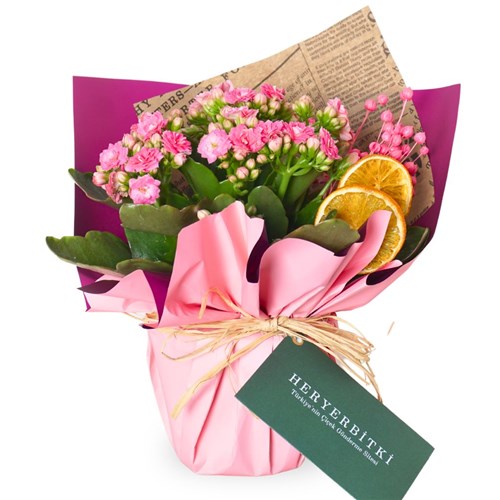
Pink Kalanchoe Gift
%251199,90 TL
899,90 TL
Bugün / Ücretsiz Hızlı Teslimat
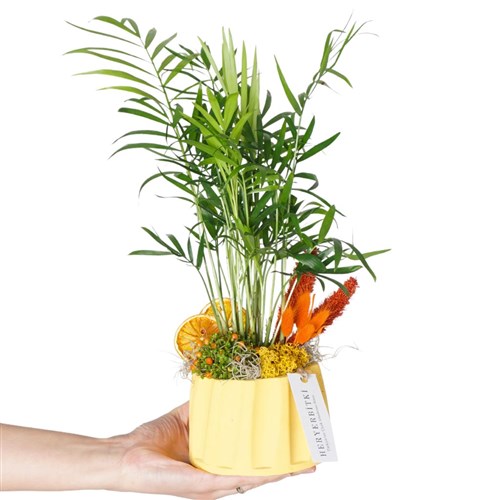
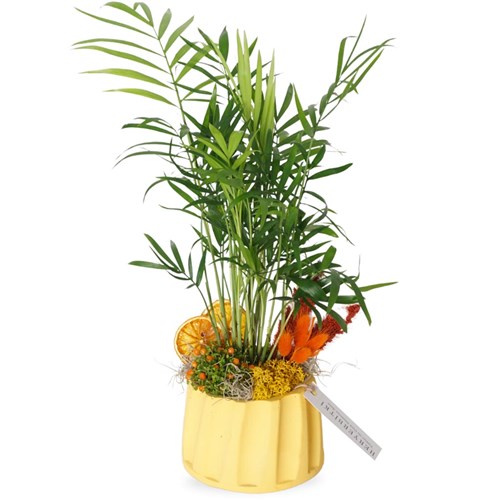
Positive Energy (Palm Tree Arrangement)
799,90 TL
Bugün / Ücretsiz Hızlı Teslimat
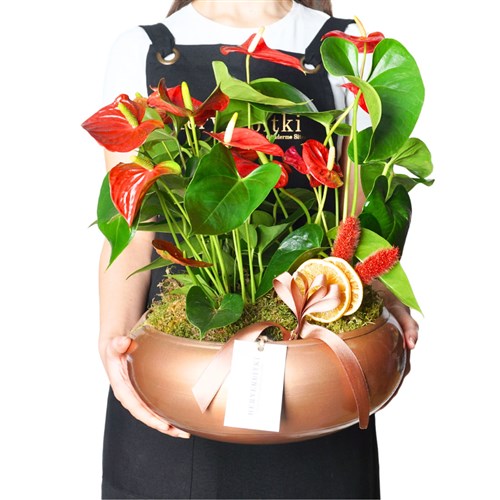
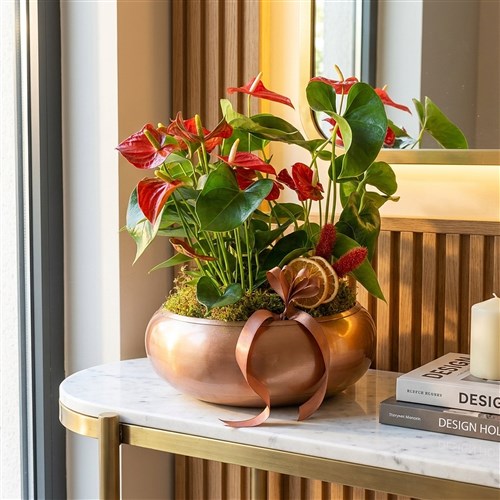
Premium Anthurium (Anthurium Garden Design)
3199,90 TL
Bugün / Ücretsiz Hızlı Teslimat
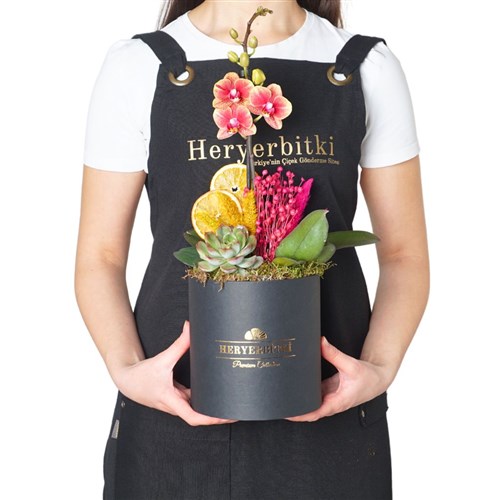
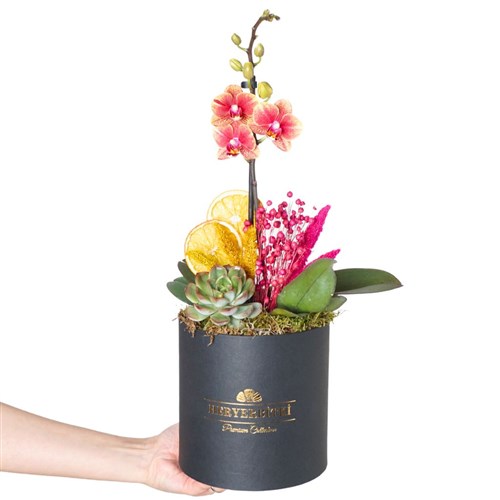
Premium Box Coral Gift (Fire Orchid Arrangement in a Black Box)
1299,90 TL
Bugün / Ücretsiz Hızlı Teslimat
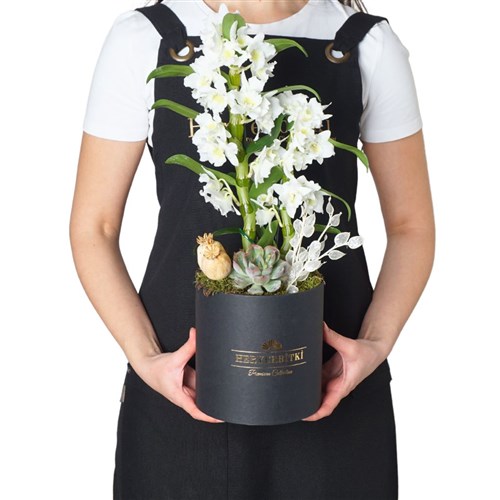
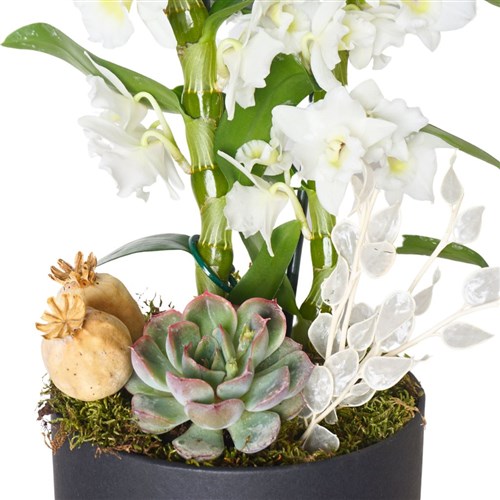
Premium Box Dendroium (Dendrobium Arrangement in a Box)
1899,90 TL
Bugün / Ücretsiz Hızlı Teslimat
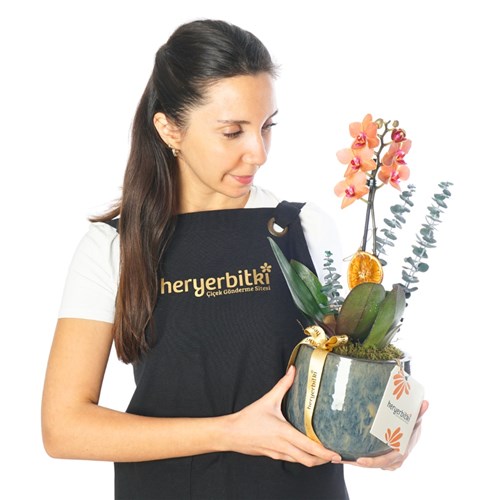
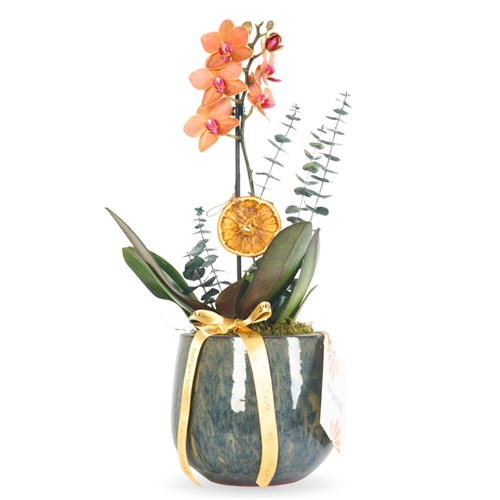
Premium Coral Gift (Fire Orchid Arrangement)
%211899,90 TL
1499,90 TL
Bugün / Ücretsiz Hızlı Teslimat

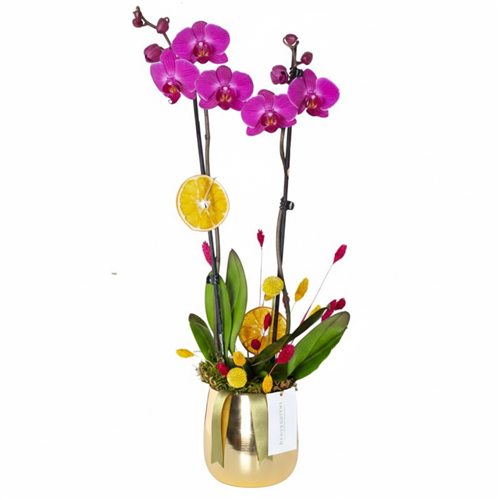
Premium Gold Purple (Purple Orchid in a Gold Vase)
1999,90 TL
Bugün / Ücretsiz Hızlı Teslimat
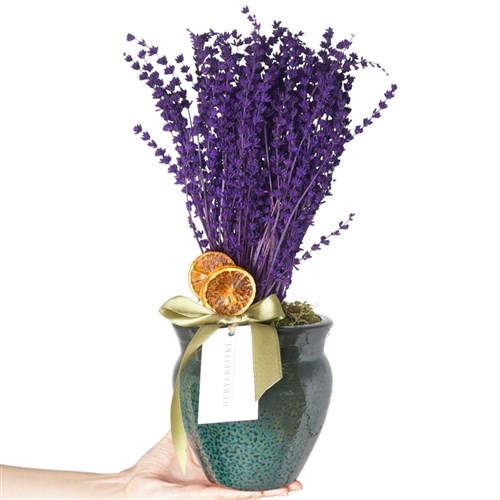
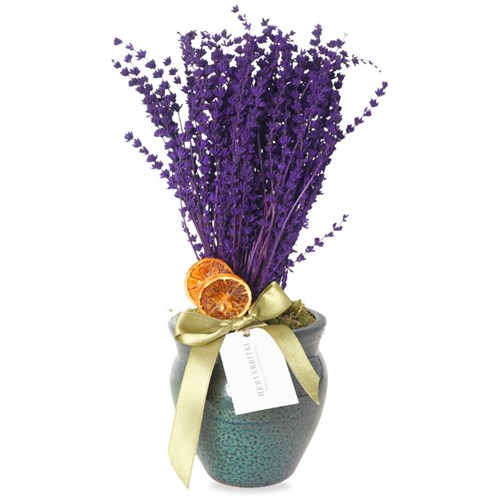
Premium Lavender (Lavender Arrangement in Vase)
%291399,90 TL
999,90 TL
Bugün / Ücretsiz Hızlı Teslimat
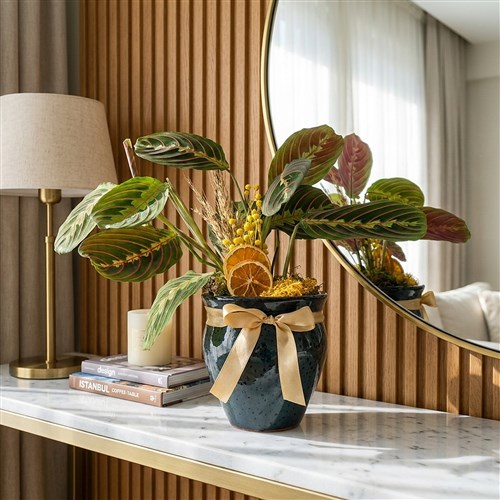
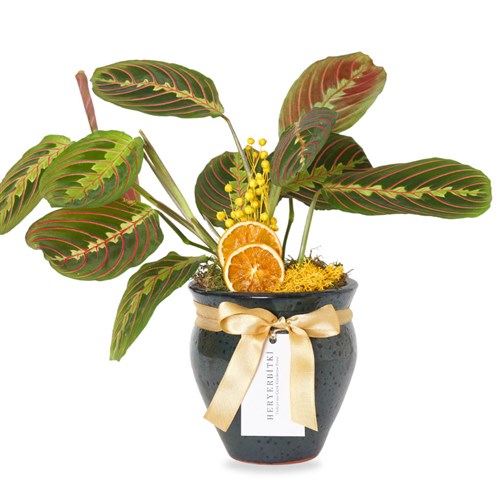
Premium Maranta Prayer Plant Gift in Vase
%191599,90 TL
1299,90 TL
Bugün / Ücretsiz Hızlı Teslimat
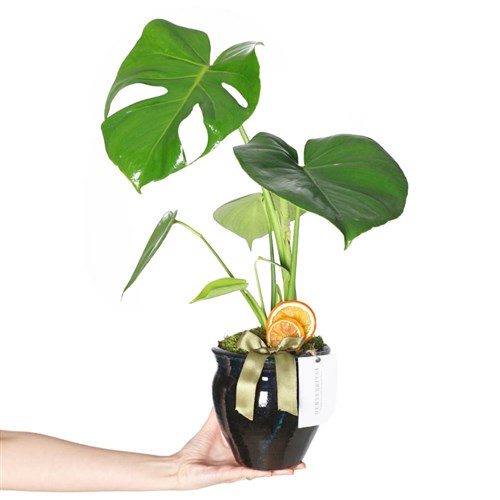
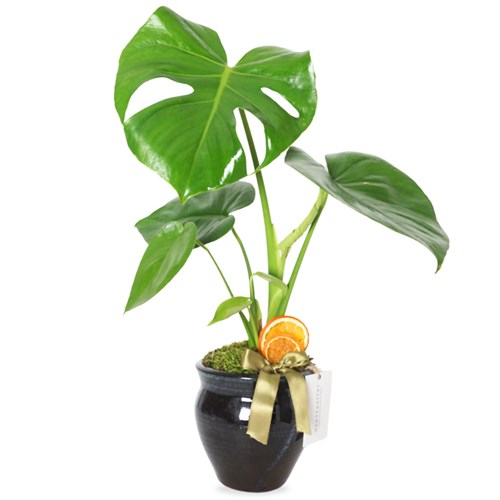
Premium Monstera Foot Arrangement in a Vase
1209,90 TL
Bugün / Ücretsiz Hızlı Teslimat
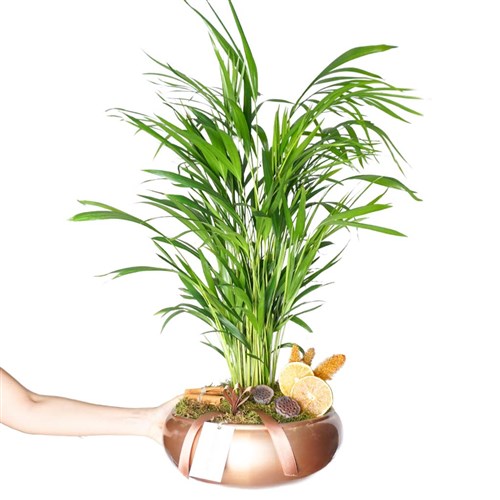
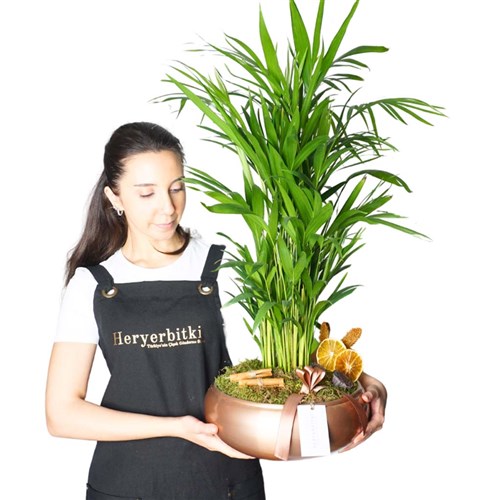
Premium Palm Gift (Areca Palm Design)
3400,00 TL
Bugün / Ücretsiz Hızlı Teslimat
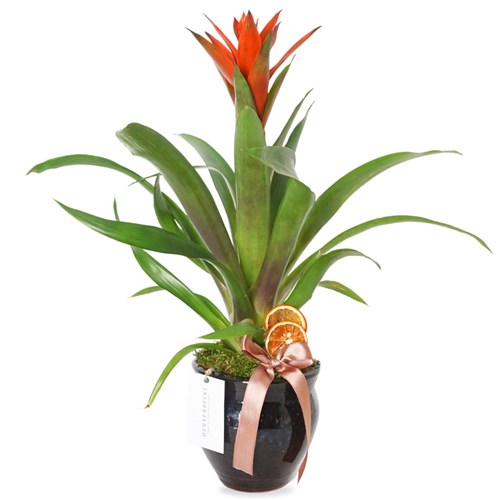
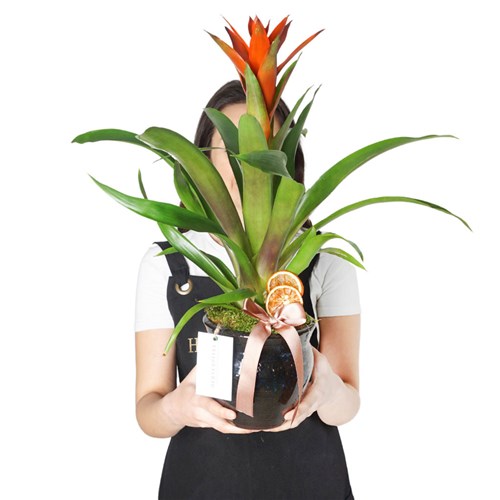
Premium Red Guzmania Arrangement in a Vase
1399,90 TL
Bugün / Ücretsiz Hızlı Teslimat
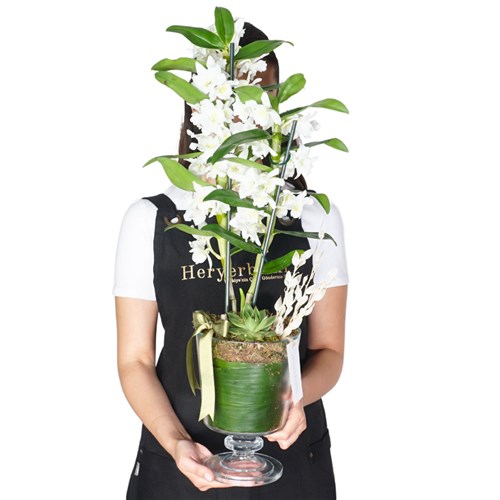
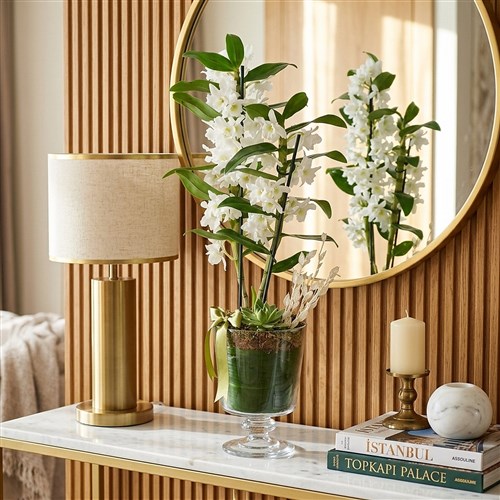
Premium White (White Dendrobium in a Standing Glass Vase)
%162505,00 TL
2099,90 TL
Bugün / Ücretsiz Hızlı Teslimat
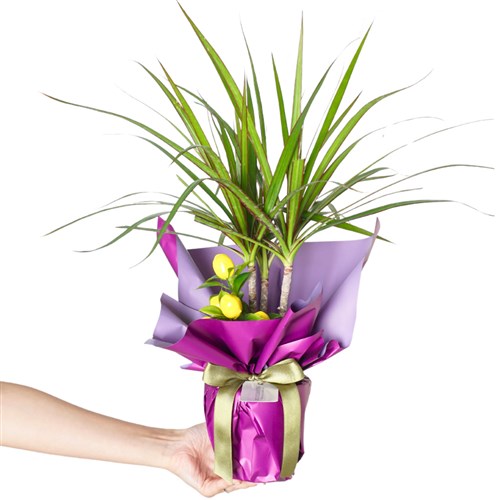
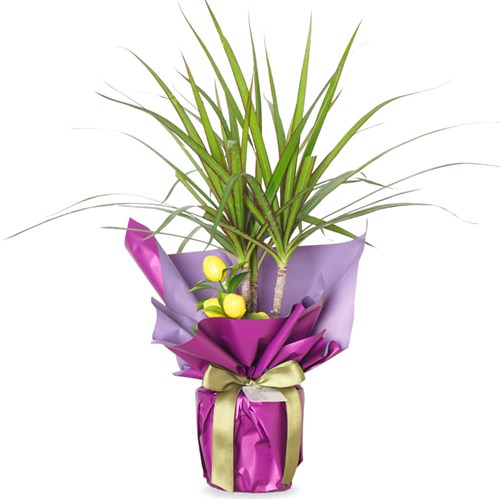
Purple Elegance Dracaena Marginata (Drasena Plant)
799,90 TL
Bugün / Ücretsiz Hızlı Teslimat
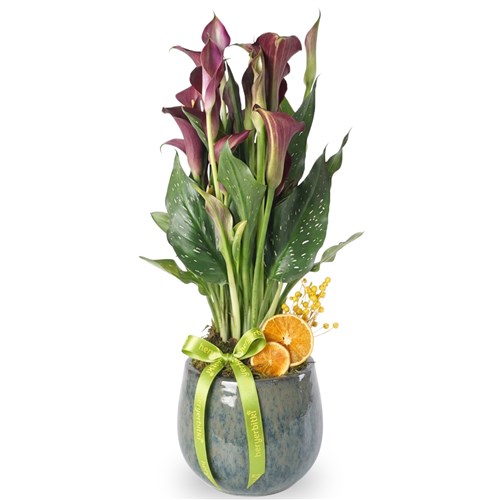
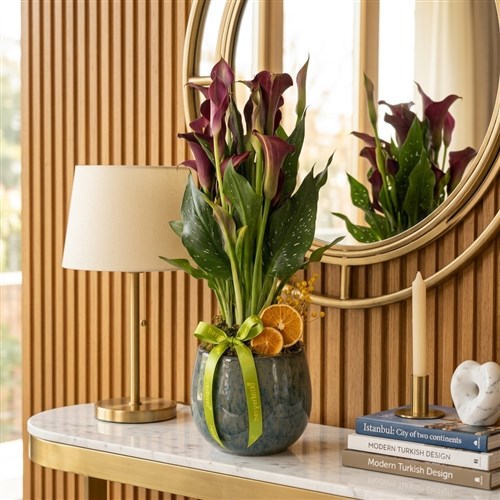
Purple Gala (Claret Red/Pink Gala in Premium Vase)
%171799,90 TL
1499,90 TL
Bugün / Ücretsiz Hızlı Teslimat
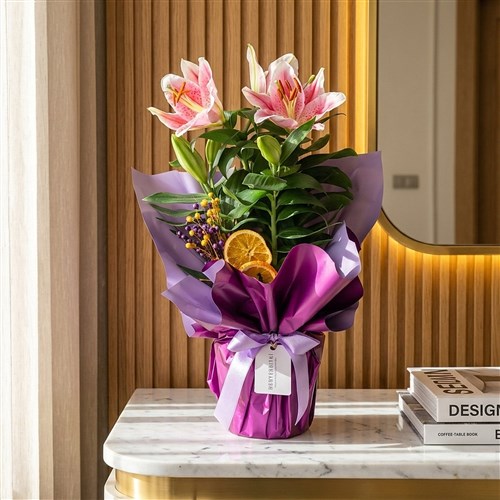
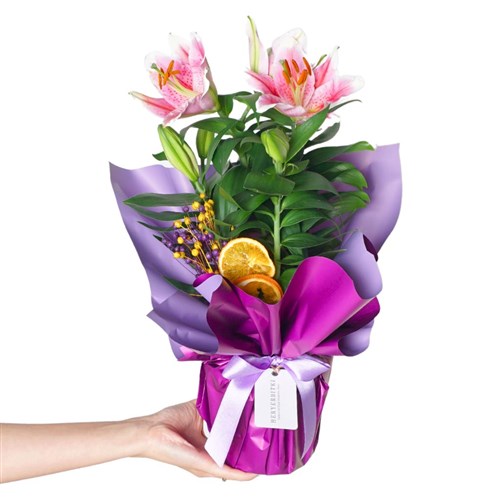
Purple Lilium Gift (Scented Lily Gift)
%411699,90 TL
999,00 TL
Bugün / Ücretsiz Hızlı Teslimat
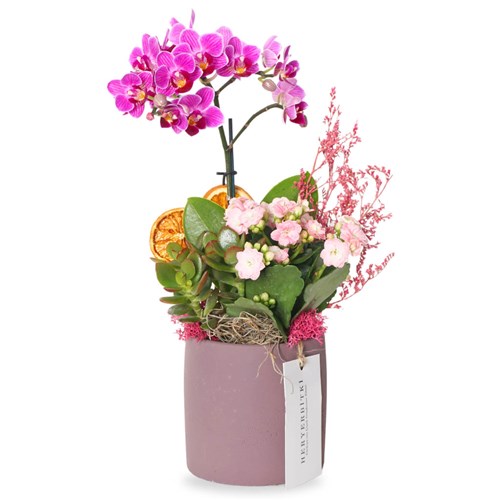
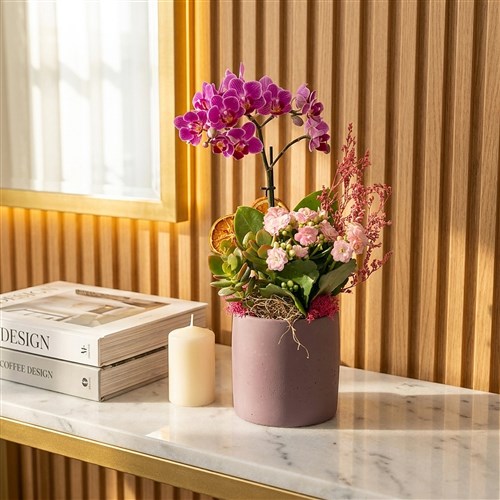
Purple Orchid Garden (Purple Orchid & Kalanchoe Arrangement)
1199,90 TL
Bugün / Ücretsiz Hızlı Teslimat
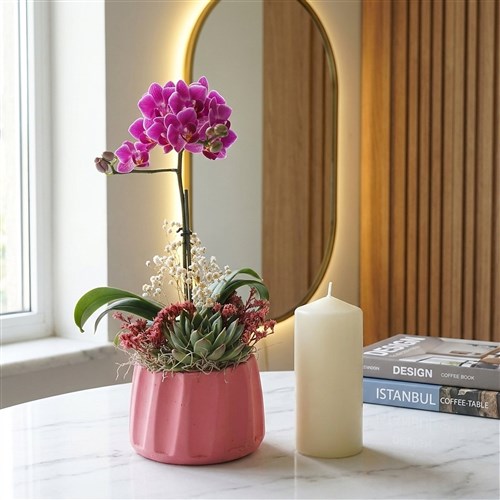
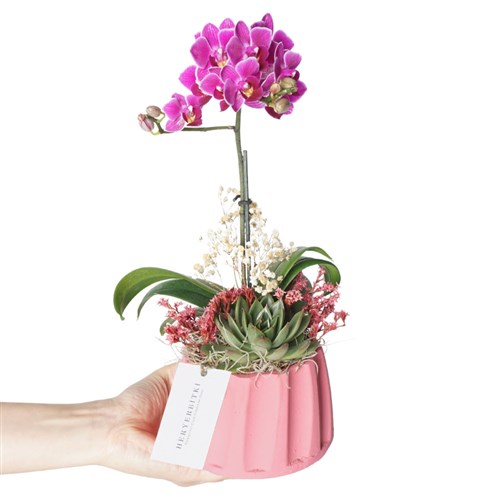
Purple Orchid Gift (Purple Orchid Arrangement)
1199,90 TL
Bugün / Ücretsiz Hızlı Teslimat
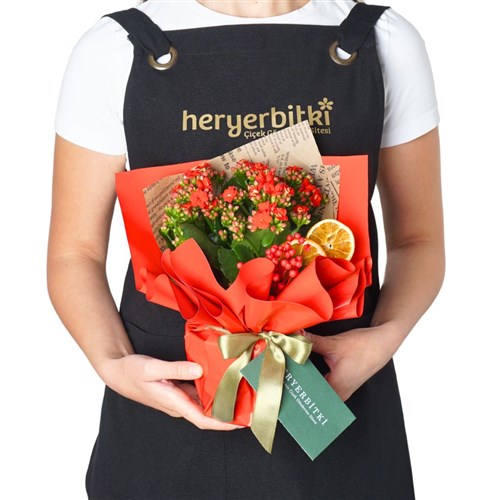

Red Kalanchoe Gift
%20999,90 TL
799,90 TL
Bugün / Ücretsiz Hızlı Teslimat
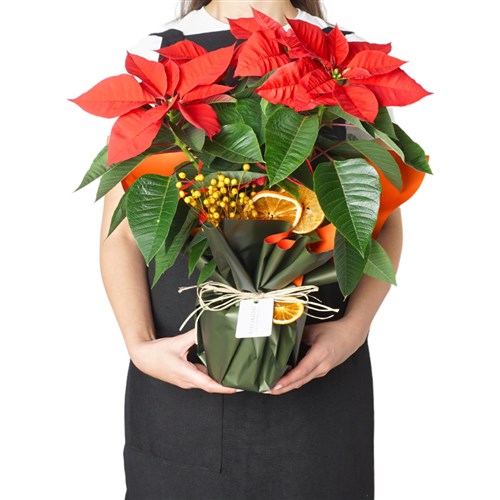
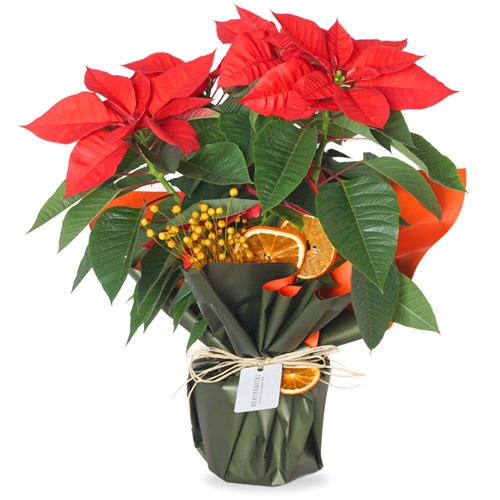
Red Majesty Poinsettia (Christmas Star)
1049,90 TL
Bugün / Ücretsiz Hızlı Teslimat

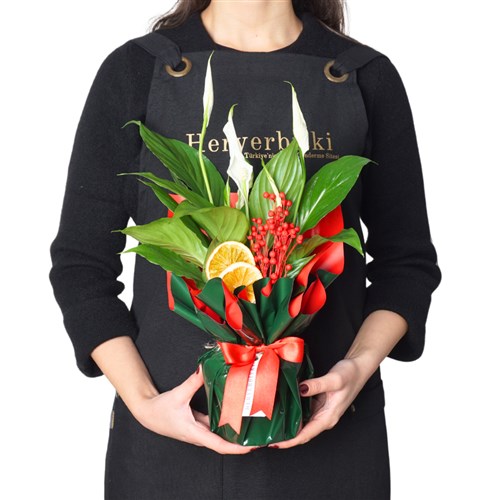
Red Spathiphyllum (Peace Flower Design)
949,90 TL
Bugün / Ücretsiz Hızlı Teslimat
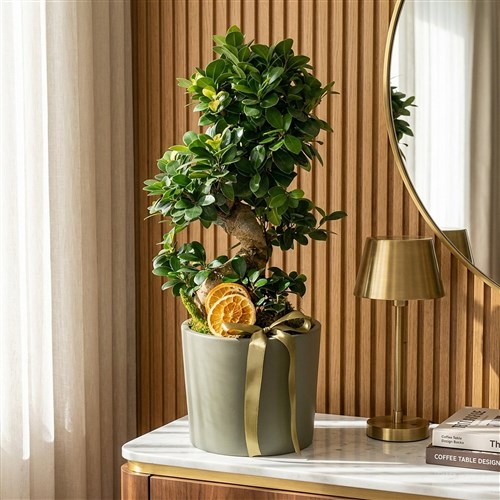
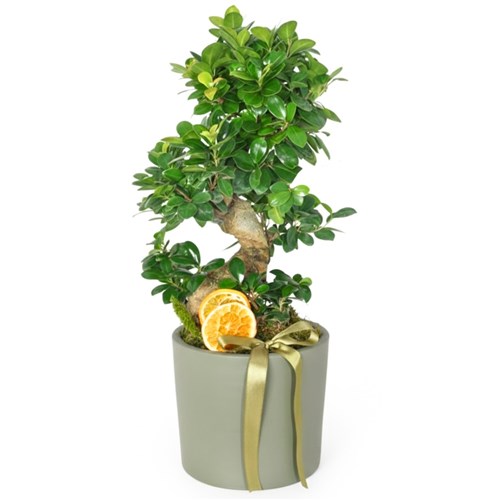
S Bonsai Gift (Gift S-Trunk Bonsai)
9500,00 TL
Bugün / Ücretsiz Hızlı Teslimat
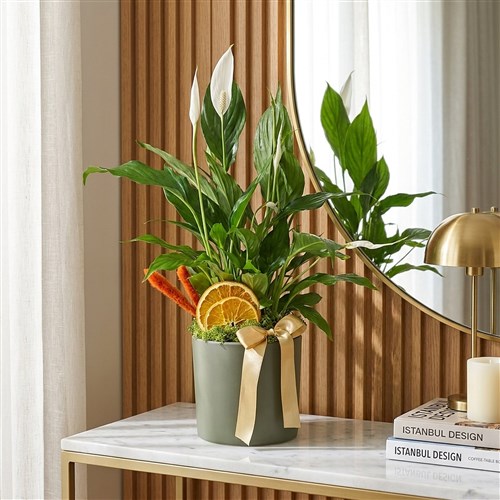
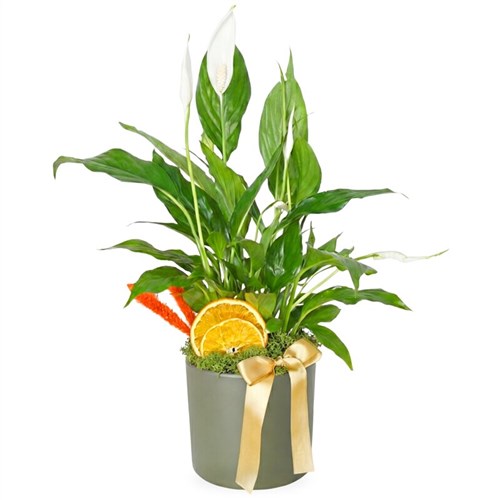
Spathiphyllum Gift (Gift Peace Lily)
%191299,90 TL
1049,90 TL
Bugün / Ücretsiz Hızlı Teslimat
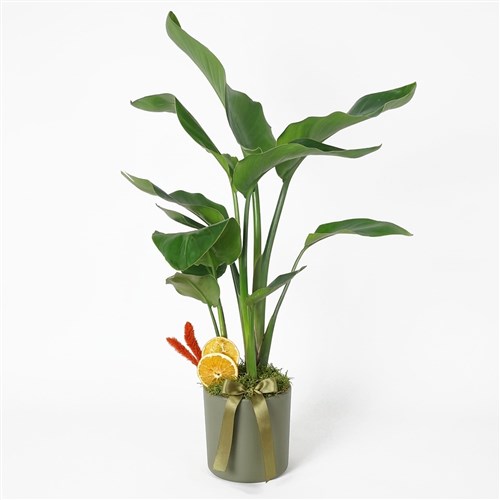
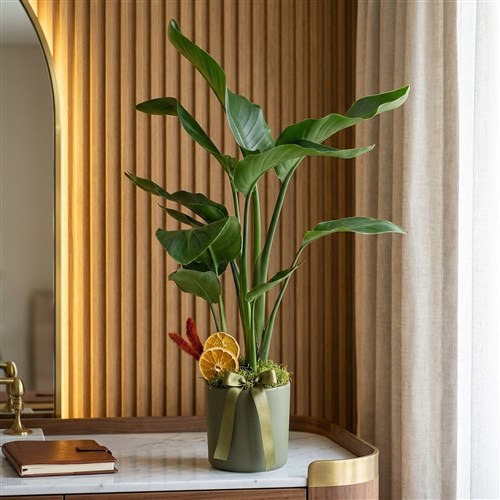
Strelitzia 2-3 Gift
2399,90 TL
Bugün / Ücretsiz Hızlı Teslimat
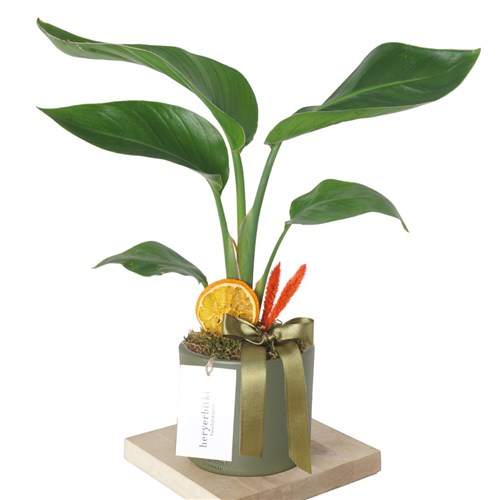
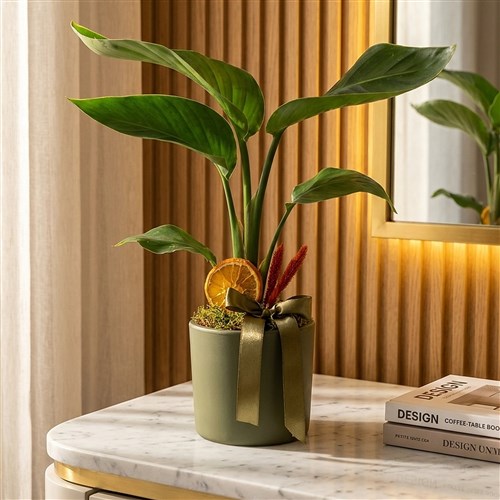
Strelitzia Gift
949,90 TL
Bugün / Ücretsiz Hızlı Teslimat
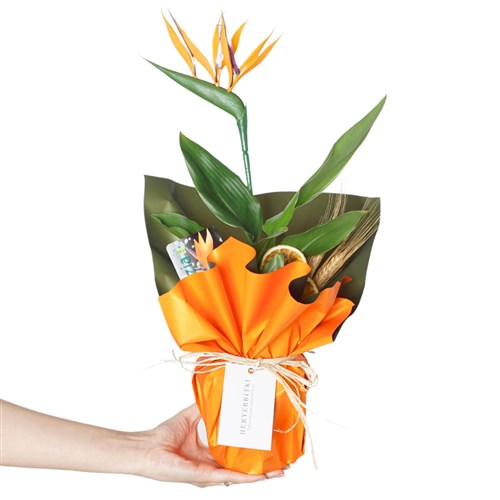
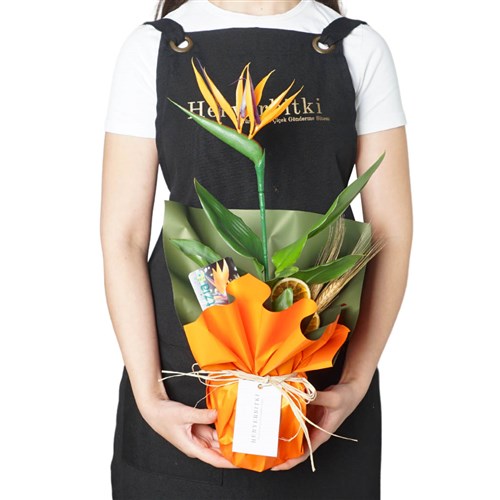
Strelitzia Paradise Gift
1399,90 TL
Bugün / Ücretsiz Hızlı Teslimat
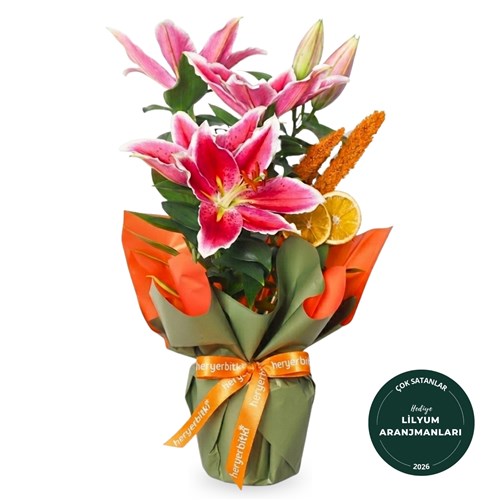
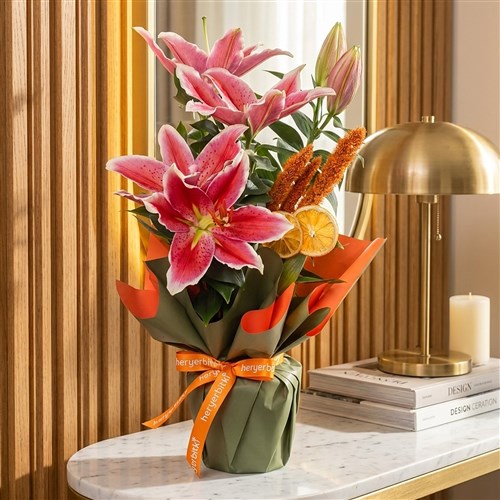
Sunset Lily (Fragrant Gift Lily)
%331499,90 TL
999,00 TL
Bugün / Ücretsiz Hızlı Teslimat
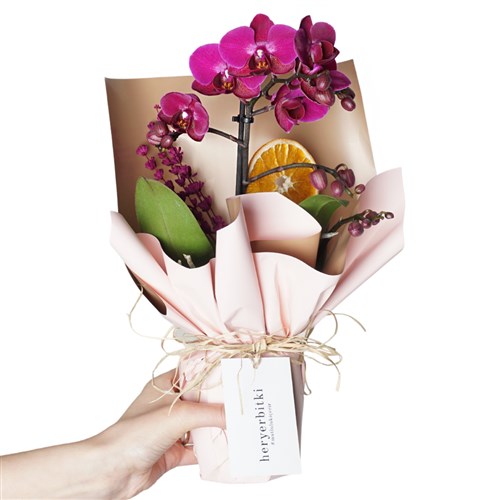
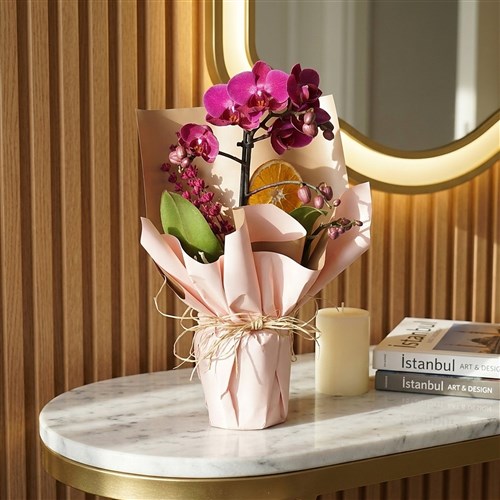
Violet Orchid Gift (Purple Orchid)
1149,90 TL
Bugün / Ücretsiz Hızlı Teslimat
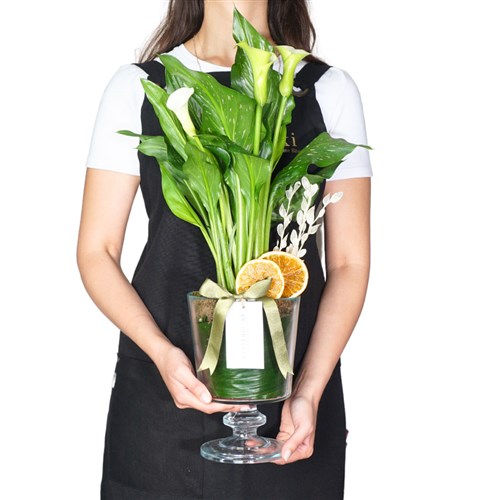
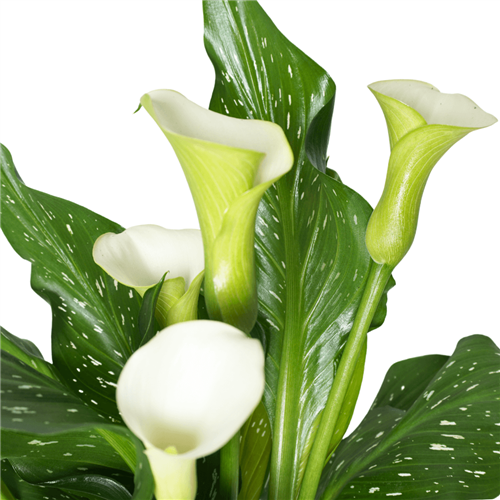
White Calla Lily Premium Gift (White Calla Lily Arrangement)
1499,90 TL
Bugün / Ücretsiz Hızlı Teslimat
Show more products
Page 1 / 3
Kitchen Herbs: Bring Naturalness and Freshness to Your Home
What are kitchen herbs?
Culinary herbs are fresh and aromatic plants that can be used both for decorative purposes and in your cooking. These plants provide an aesthetically pleasing look in the kitchen and add a natural flavor to your dishes. Usually grown in small pots, these plants are easy to care for in your home and bring a natural atmosphere to your kitchen.
Most Popular Herbs for the Kitchen
There are many plant options you can grow in your kitchen. Here are some of the most popular and useful ones:
• Basil: An indispensable ingredient in Italian cuisine, basil is frequently used in fresh salads, pasta, and pizzas. It loves the sun, so it grows wonderfully in the kitchen, preferably by a sunniest window.
• Mint: With its pleasant aroma, mint adds freshness to the kitchen and has a perfect flavor, especially in teas and desserts. It needs plenty of water and loves humid environments.
• Parsley: An indispensable ingredient in Turkish cuisine, parsley is frequently used in salads, dishes, and garnishes. It can grow rapidly in sunny areas.
• Thyme: Thyme, which can be used both fresh and dried in cooking, adds a wonderful aroma to meat and chicken dishes. It prefers dry environments and sunshine.
• Rosemary: Frequently used in Mediterranean cuisine, rosemary adds an intense flavor to both meat and vegetable dishes. It prefers sunny and warm environments.
Apart from these, if you want to create a decorative atmosphere in your kitchen, you can choose any of the houseplants such as areca palm and strelitzia and place them in your kitchen.
Benefits of Culinary Herbs
Culinary herbs not only add flavor to your dishes, but also bring health and freshness to your home. Here are some of the benefits of culinary herbs:
1. Fresh Flavors: Adding fresh herbs to your food will provide more intense and natural flavors.
2. Natural Air Purifier: Plants create a healthier environment by cleaning harmful substances from the air.
3. Decorative Effect: Kitchen plants add a stylish and natural look to your kitchen.
4. Cost Savings: Instead of constantly buying fresh herbs, you can save money in the long run by growing your own plants.
Care of Kitchen Plants
Kitchen plants are generally easy to care for, but there are still a few points to consider:
• Light: Most kitchen plants need plenty of sunlight. Placing your plants in front of a window that receives the most light in your kitchen will help them grow healthier.
• Watering: Each plant has different water needs. For example, plants like mint require plenty of water, while plants like thyme and rosemary thrive better in drier environments. Remember to regularly check the soil moisture of the plant.
• Pot and Soil Selection: It's important to use pots that provide good drainage for your plants. Additionally, choosing rich, organic soil will ensure your plant receives the nutrients it needs.