
Bathroom Plants
Same-Day Delivery Every Day
Secure Shopping
High Customer Satisfaction
Types of Flowers
Shop By Style
Price
-
Occassions
Colour
Sort: Suggested Ranking
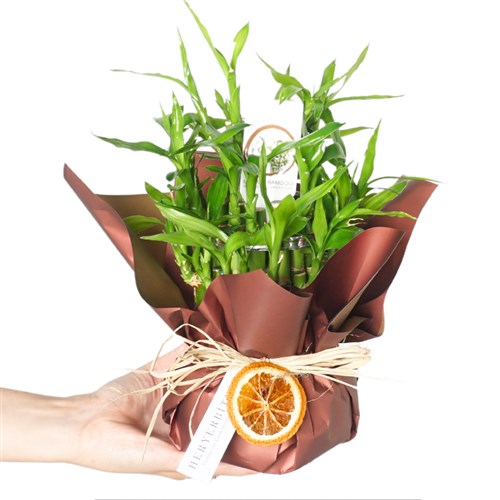
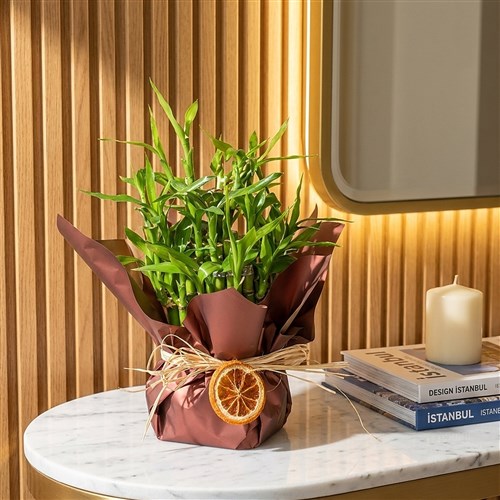
Bamboo Gift (Bamboo Gift Packaged)
1699,90 TL
Bugün / Ücretsiz Hızlı Teslimat
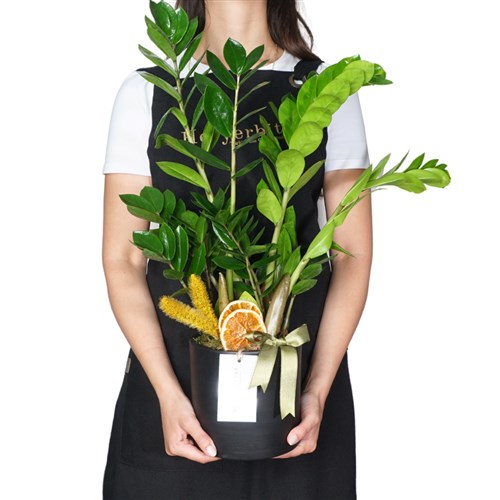
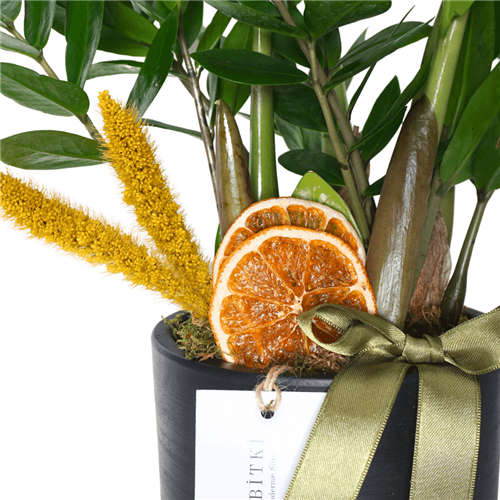
Large Zamia Gift
1799,90 TL
Bugün / Ücretsiz Hızlı Teslimat
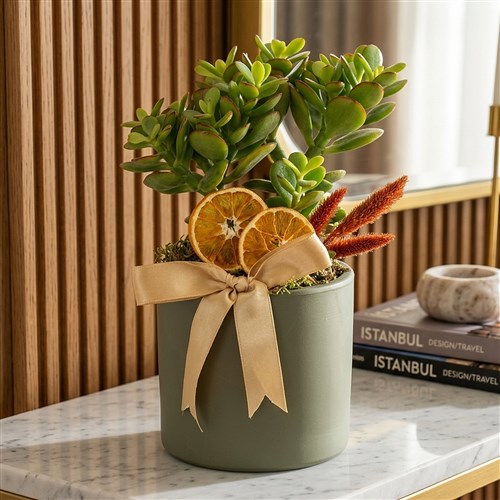
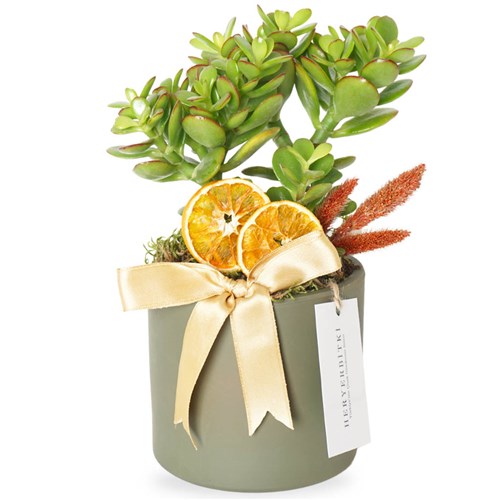
Luckiest (Luck and Money Succulent Arrangement)
999,90 TL
Bugün / Ücretsiz Hızlı Teslimat
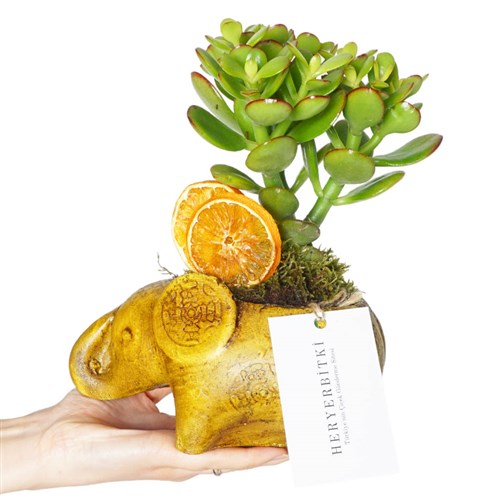
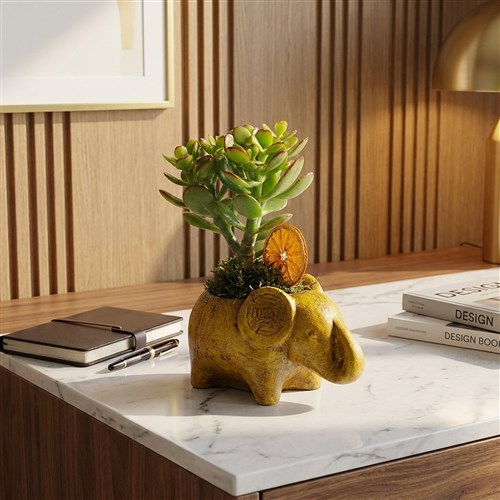
Money Succulent and Lucky Elephant Arrangement
749,90 TL
Bugün / Ücretsiz Hızlı Teslimat
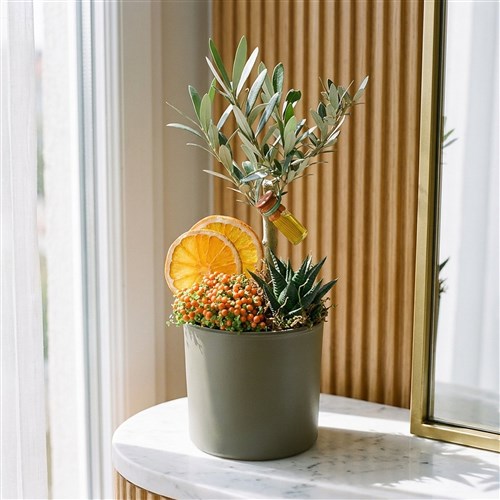
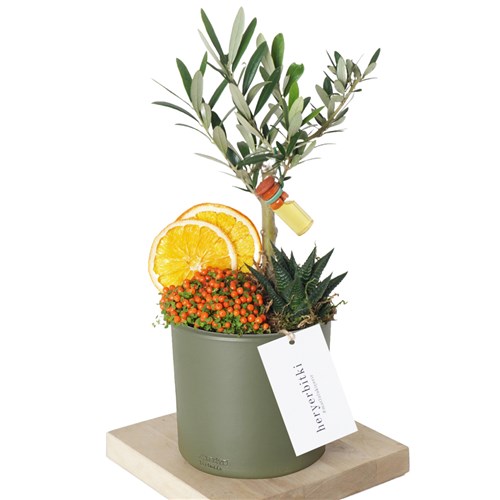
Olive Tree (Green Potted Olive Tree Arrangement)
999,90 TL
Bugün / Ücretsiz Hızlı Teslimat
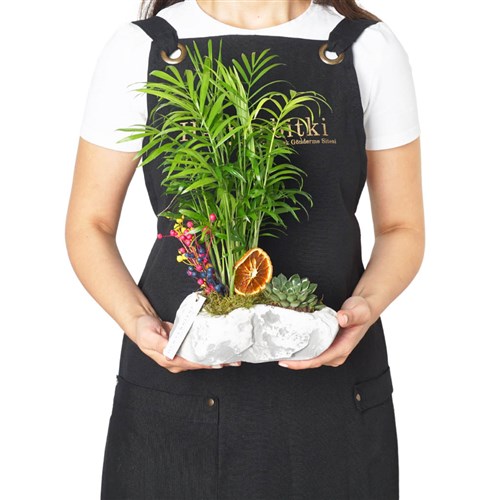
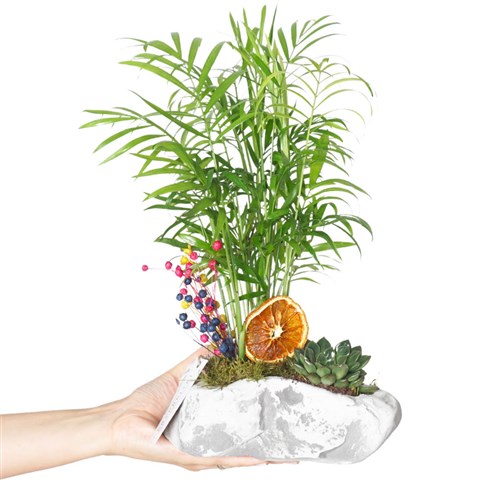
Palm Garden (Palm Tree Arrangement)
799,90 TL
Bugün / Ücretsiz Hızlı Teslimat
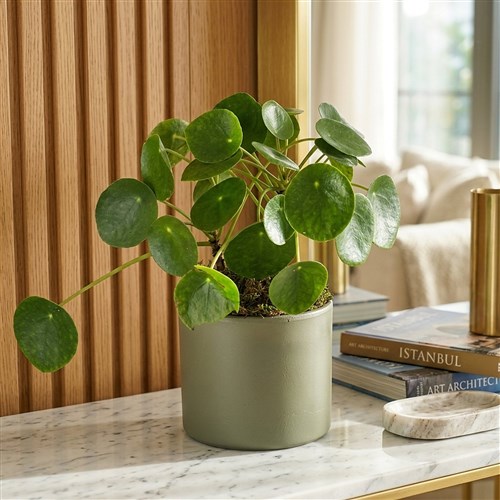
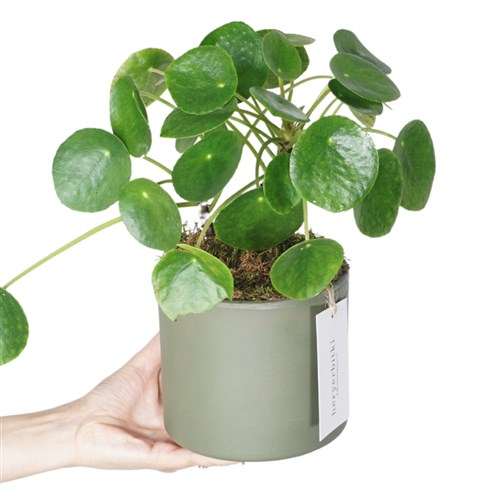
Pilea Pepperomioides Gift (Chinese Chinese Money Plant)
1099,90 TL
Bugün / Ücretsiz Hızlı Teslimat
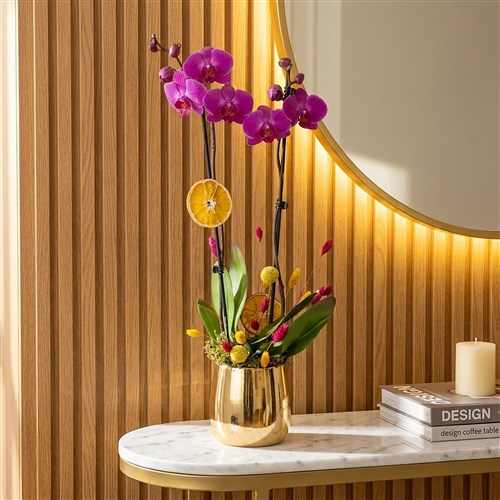
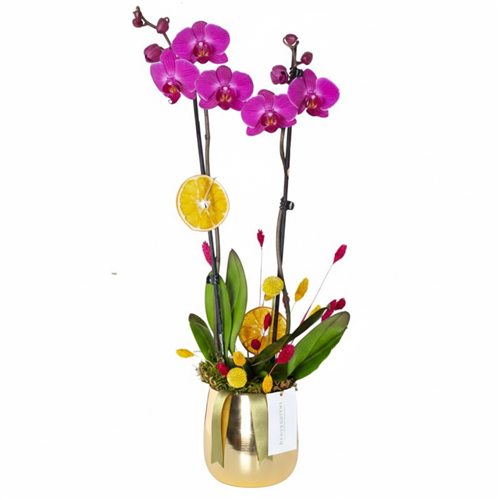
Premium Gold Purple (Purple Orchid in a Gold Vase)
1999,90 TL
Bugün / Ücretsiz Hızlı Teslimat
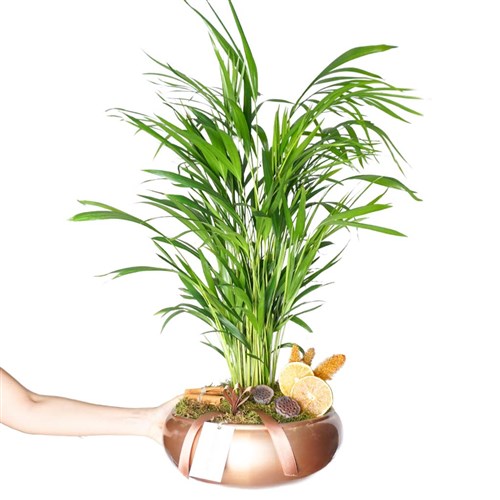
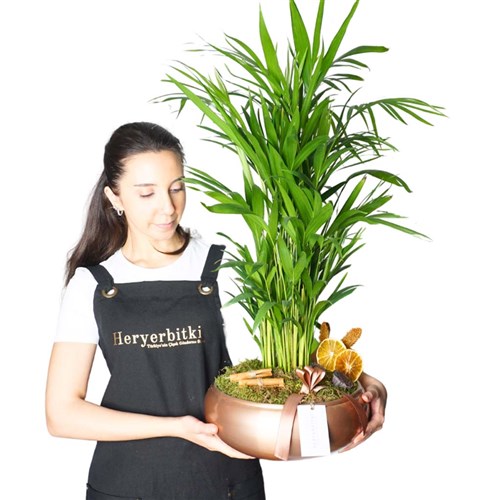
Premium Palm Gift (Areca Palm Design)
3400,00 TL
Bugün / Ücretsiz Hızlı Teslimat
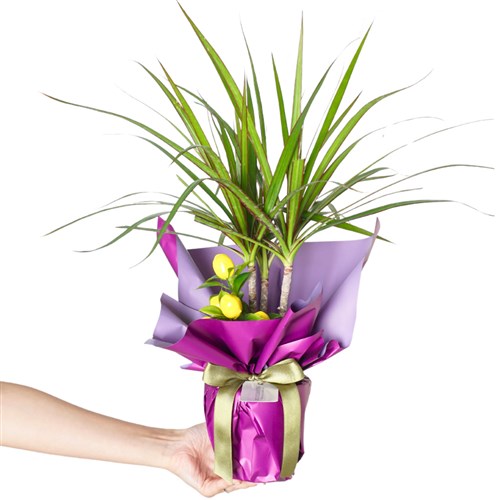
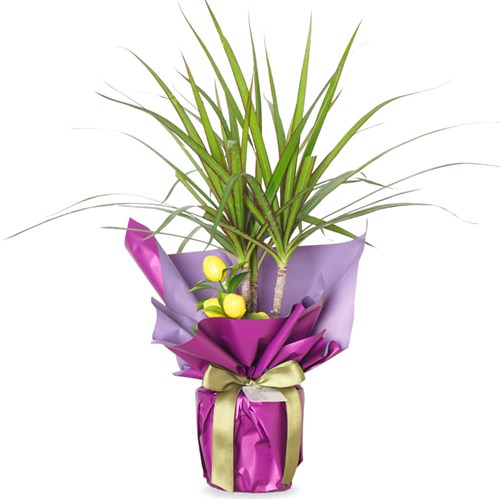
Purple Elegance Dracaena Marginata (Drasena Plant)
799,90 TL
Bugün / Ücretsiz Hızlı Teslimat
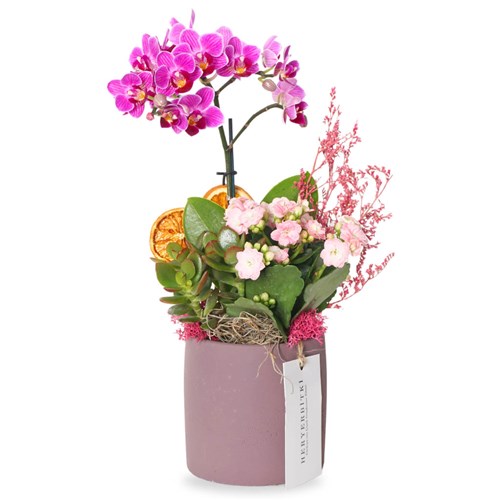
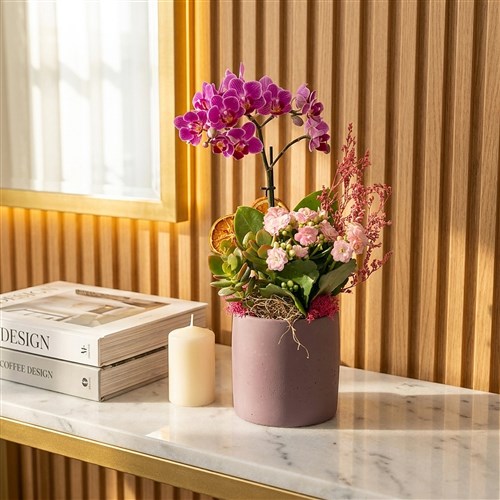
Purple Orchid Garden (Purple Orchid & Kalanchoe Arrangement)
1199,90 TL
Bugün / Ücretsiz Hızlı Teslimat
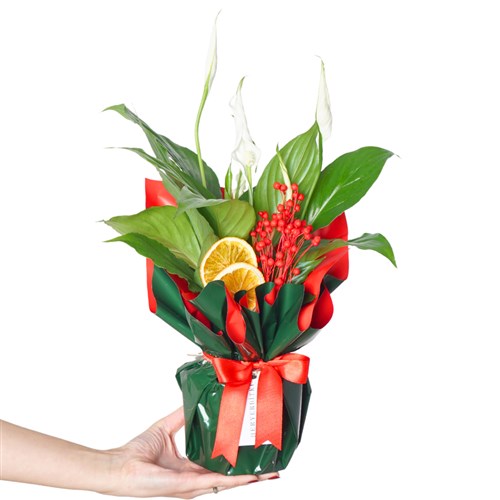
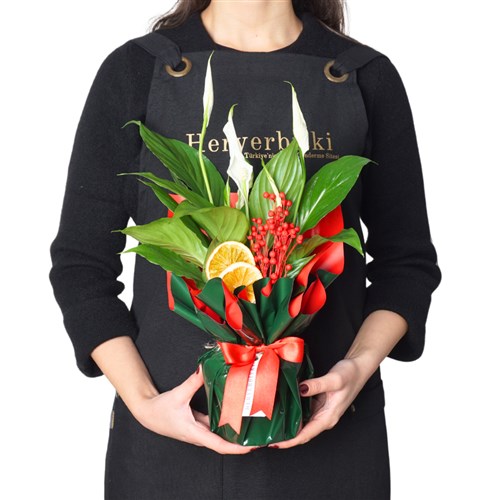
Red Spathiphyllum (Peace Flower Design)
949,90 TL
Bugün / Ücretsiz Hızlı Teslimat
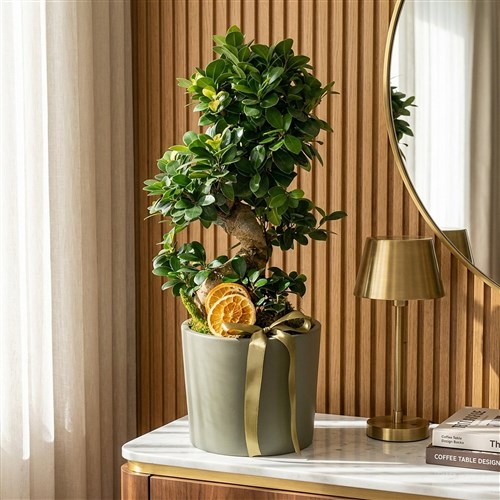
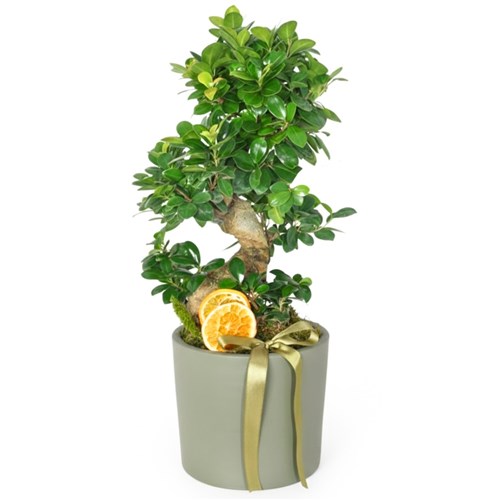
S Bonsai Gift (Gift S-Trunk Bonsai)
9500,00 TL
Bugün / Ücretsiz Hızlı Teslimat
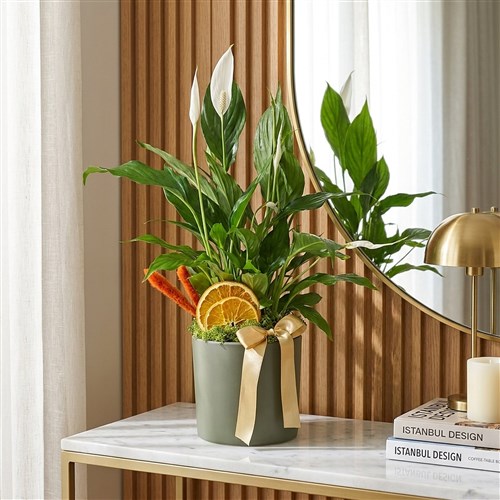
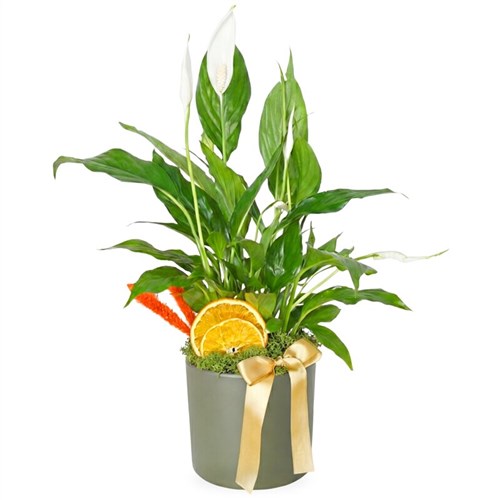
Spathiphyllum Gift (Gift Peace Lily)
%191299,90 TL
1049,90 TL
Bugün / Ücretsiz Hızlı Teslimat
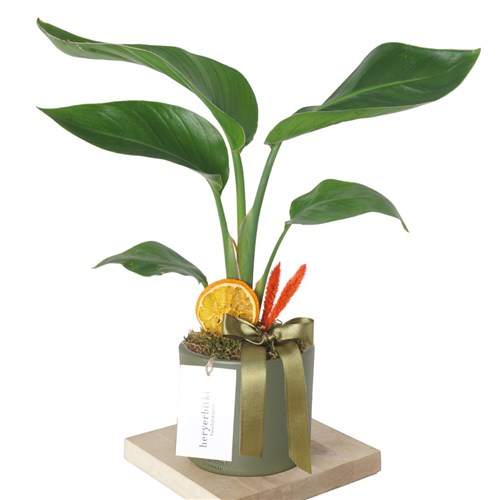
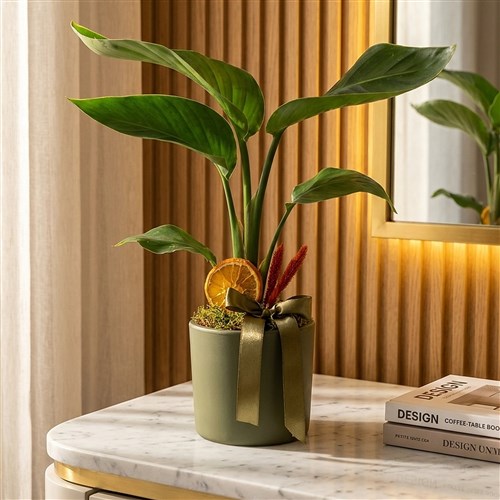
Strelitzia Gift
949,90 TL
Bugün / Ücretsiz Hızlı Teslimat
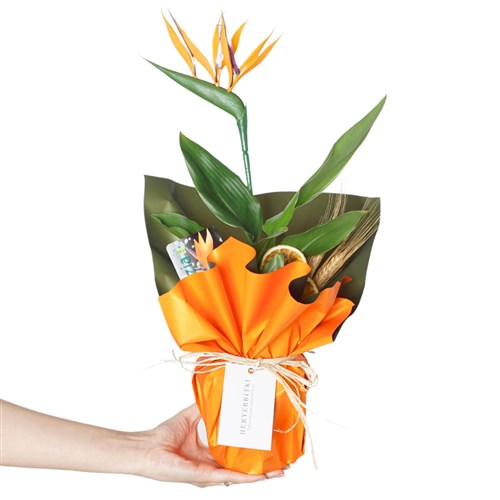
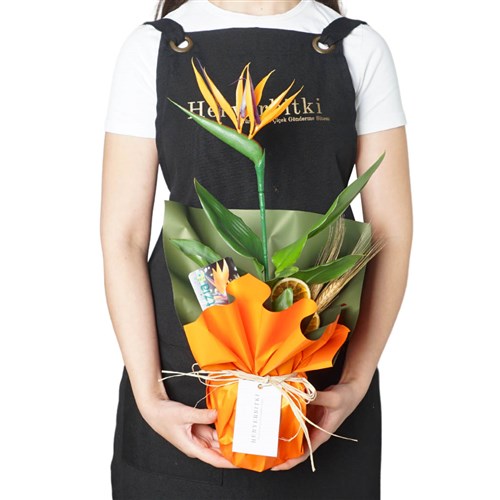
Strelitzia Paradise Gift
1399,90 TL
Bugün / Ücretsiz Hızlı Teslimat
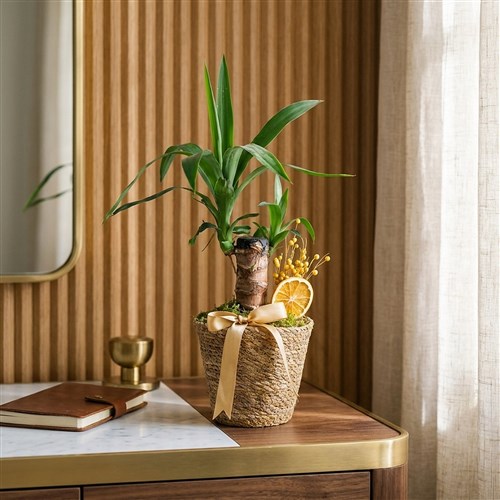
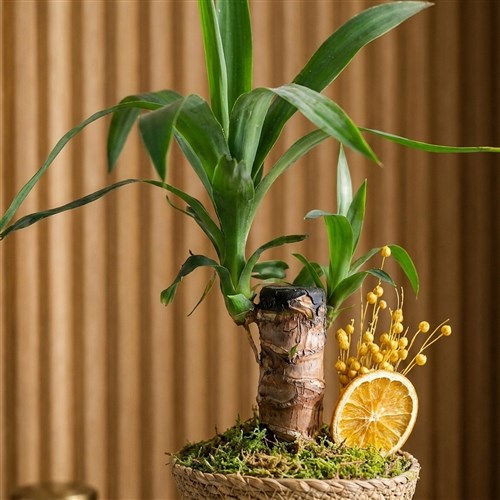
Yucca Basket (Single-Bodied Yucca)
999,90 TL
Bugün / Ücretsiz Hızlı Teslimat
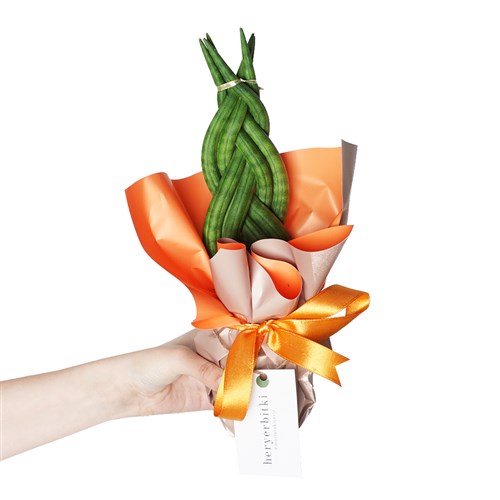
Sansevieria Gift
1149,90 TL
Bugün / Ücretsiz Hızlı Teslimat
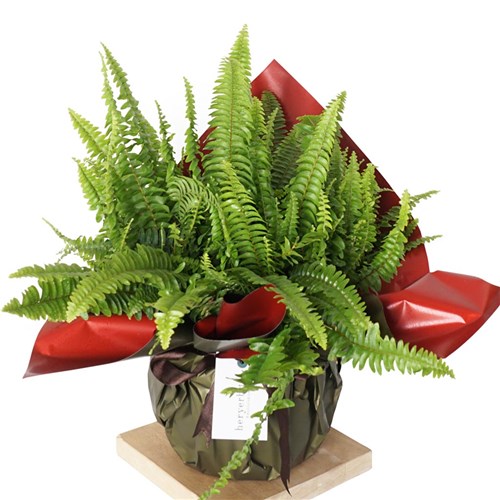
Nephrolepis Gift (Ladder Plant)
1109,90 TL
Bugün / Ücretsiz Hızlı Teslimat
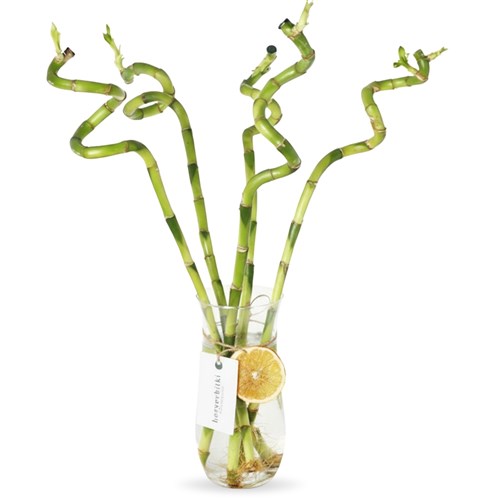
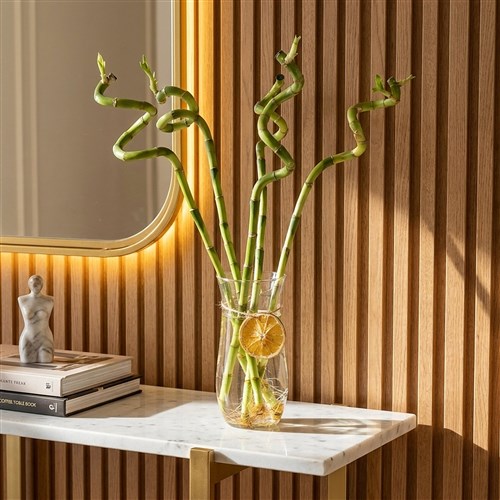
Lucky Bamboo (Lucky Bamboo Set)
%292799,90 TL
1999,90 TL
Bugün / Ücretsiz Hızlı Teslimat
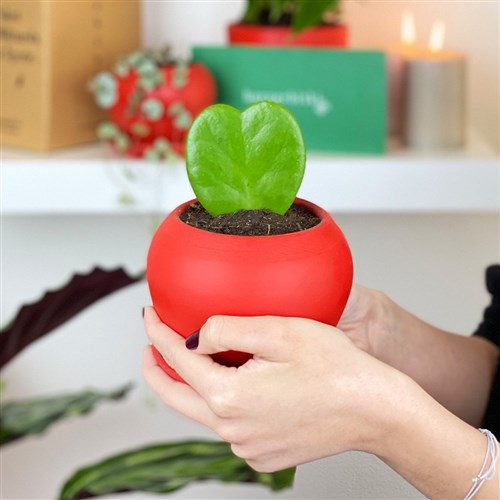
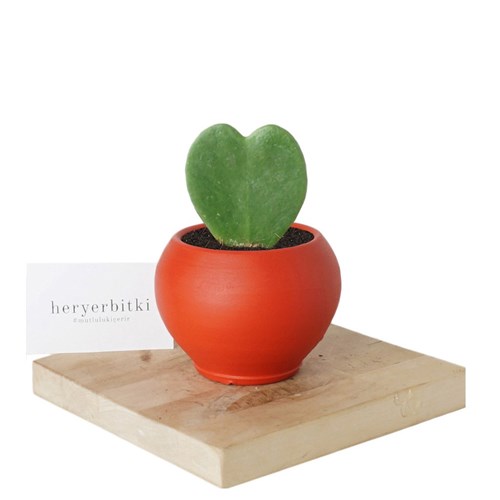
Hoya Kerrii (Kalp Sukulent)
949,90 TL
Bugün / Ücretsiz Hızlı Teslimat
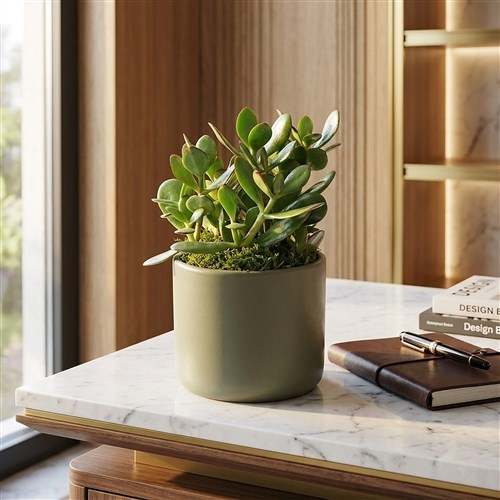
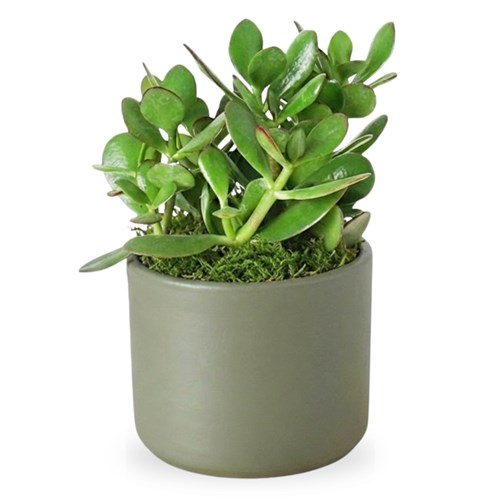
Crassula Ovata (Money Tree) Large
949,90 TL
Bugün / Ücretsiz Hızlı Teslimat
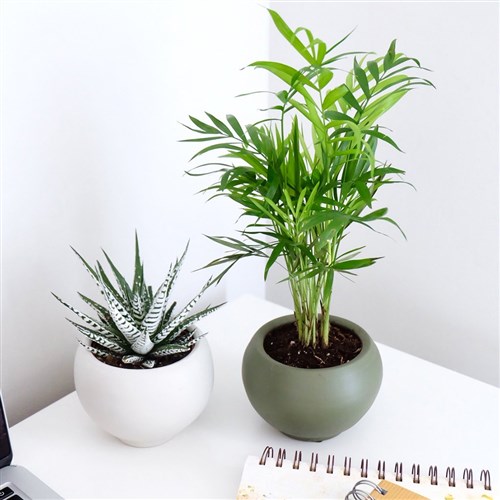
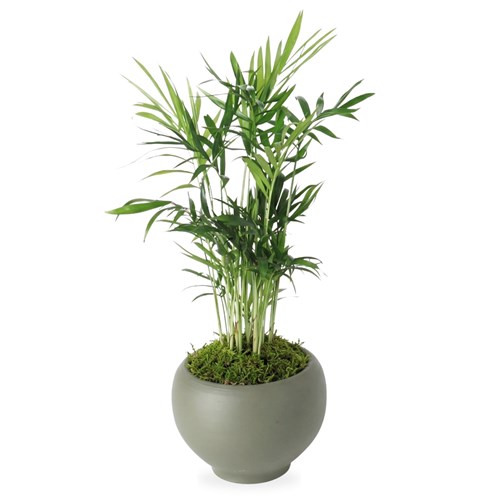
Chamaedorea Elegans (Mountain Palm)
799,90 TL
Bugün / Ücretsiz Hızlı Teslimat
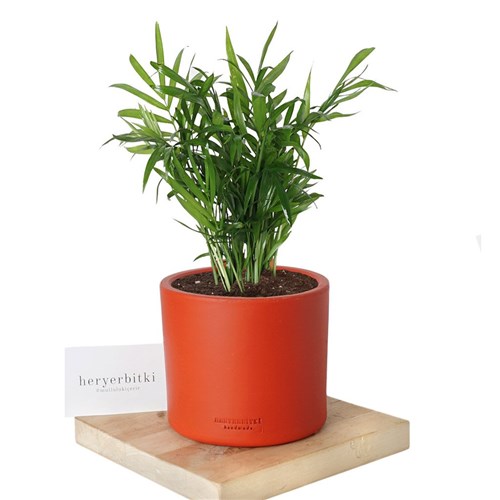
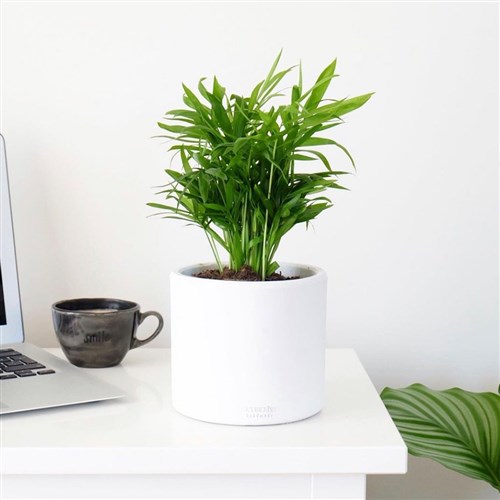
Chamaedorea Elegans (Mountain Palm) Large
799,90 TL
Bugün / Ücretsiz Hızlı Teslimat
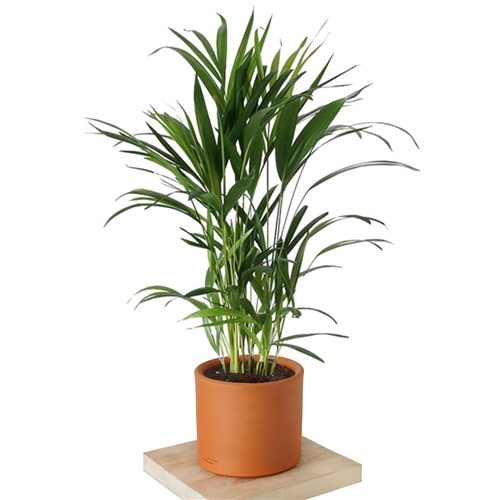
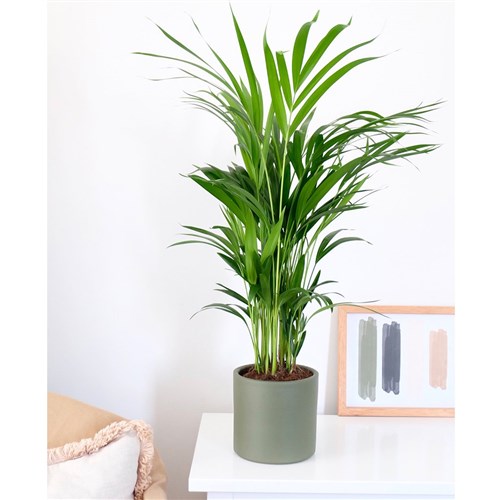
Dypsis Lucetens (Areca Palm)
1499,90 TL
Bugün / Ücretsiz Hızlı Teslimat
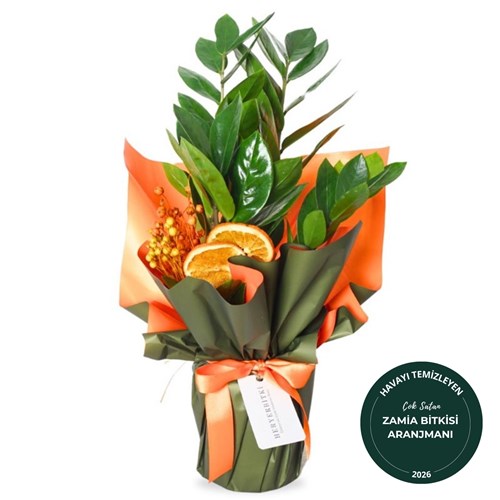
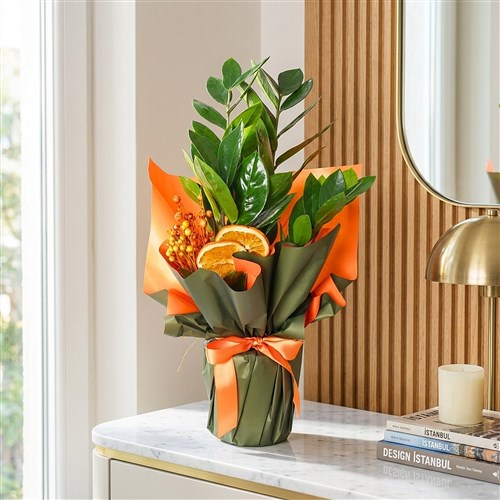
Zamioculcas Gift (Zamia Flower in Gift Packaging)
%151999,90 TL
1699,90 TL
Bugün / Ücretsiz Hızlı Teslimat
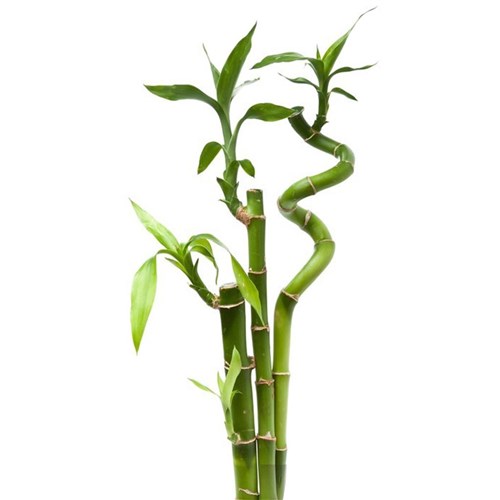
Lucky Bamboo Branch (3 Pieces)
899,90 TL
Bugün / Ücretsiz Hızlı Teslimat
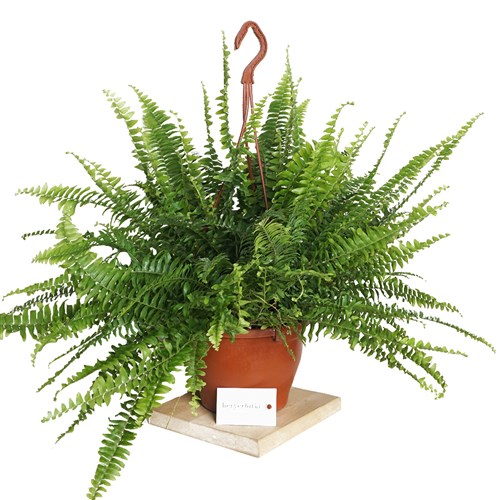
Love Ladder Hanging
999,90 TL
Bugün / Ücretsiz Hızlı Teslimat
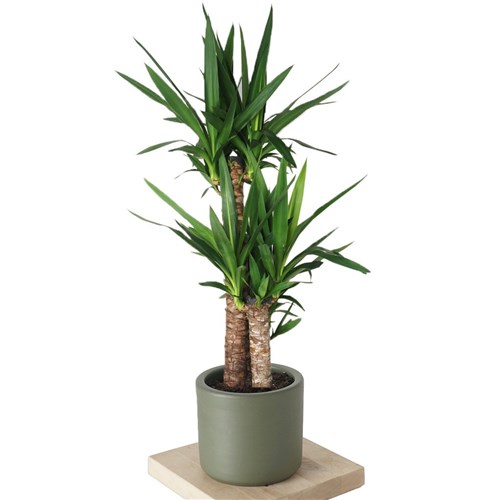
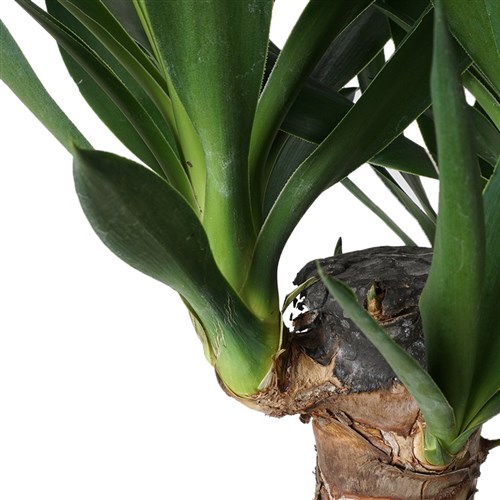
Yucca (Yucca Tree with 3 Trunks)
%296999,90 TL
4999,90 TL
Bugün / Ücretsiz Hızlı Teslimat
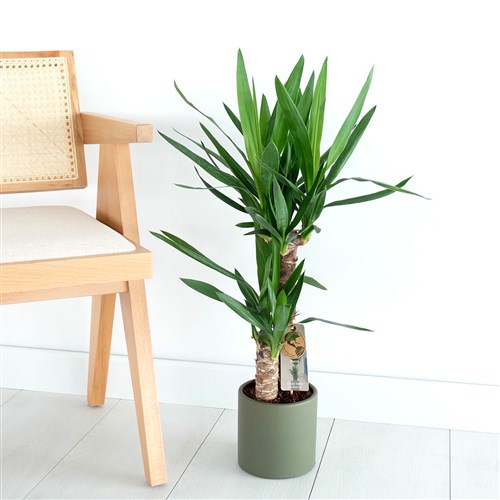
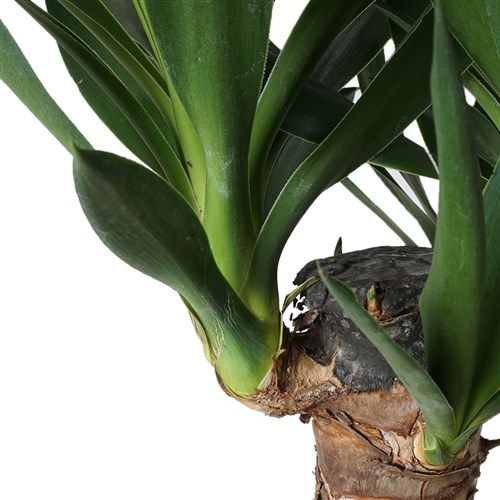
Yucca (Yucca Tree with 2 Trunks)
2399,90 TL
Bugün / Ücretsiz Hızlı Teslimat
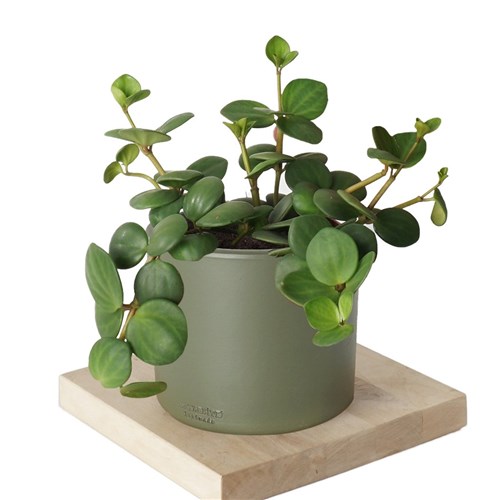
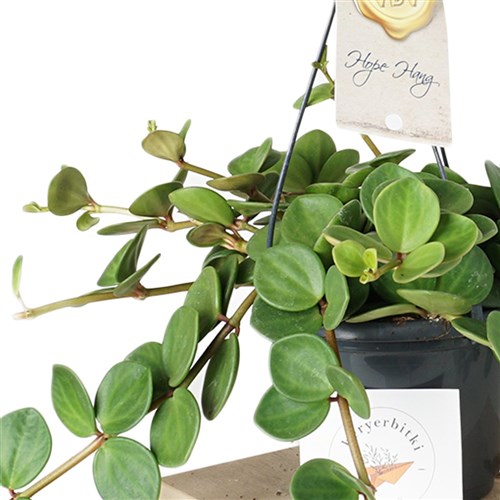
Peperomia Hope (Ivy of Hope)
1109,90 TL
Bugün / Ücretsiz Hızlı Teslimat
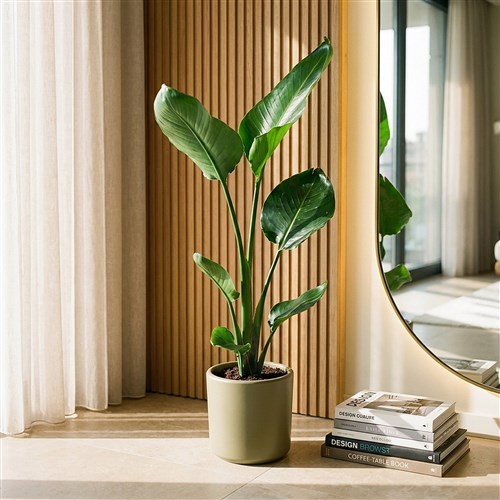
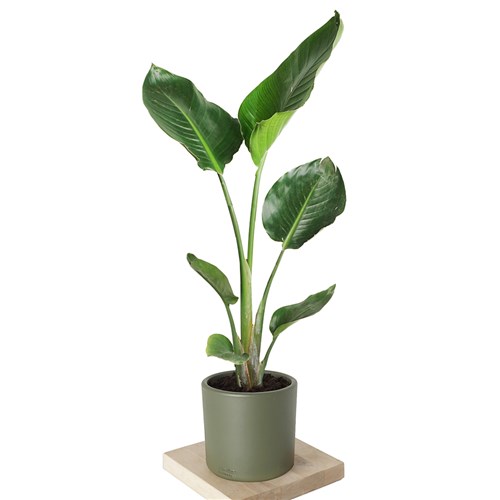
Strelitzia - Bird of Paradise Plant - 65-70cm
%211899,90 TL
1499,90 TL
Bugün / Ücretsiz Hızlı Teslimat
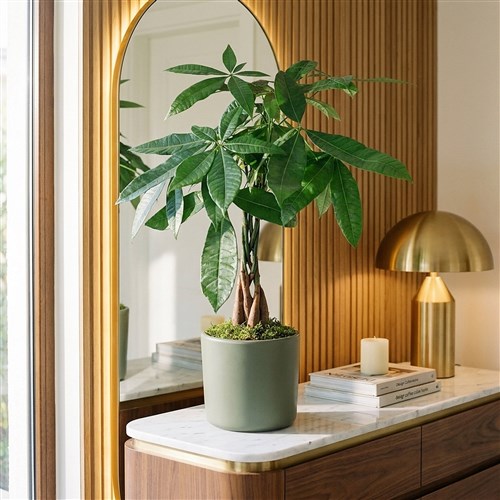
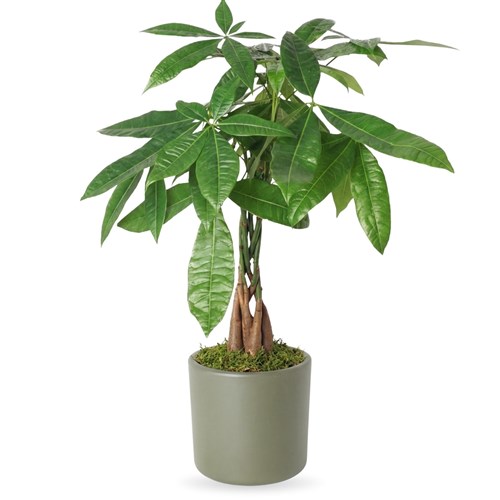
Pachira Aquatica (Money Tree) Large 50 cm
1499,90 TL
Bugün / Ücretsiz Hızlı Teslimat
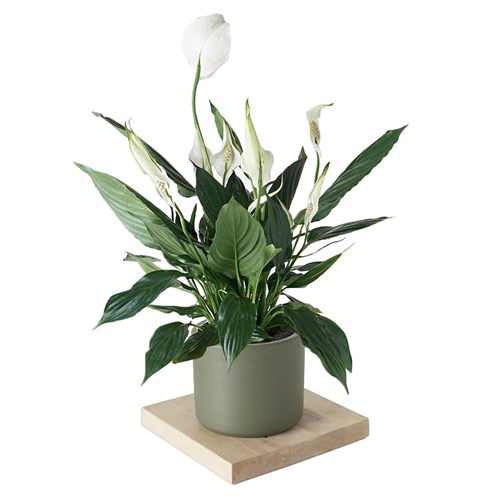
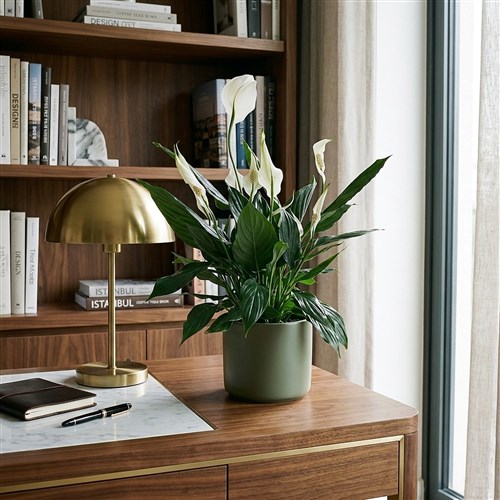
Spathiphyllum (Barış Çiçeği)
1049,90 TL
Bugün / Ücretsiz Hızlı Teslimat
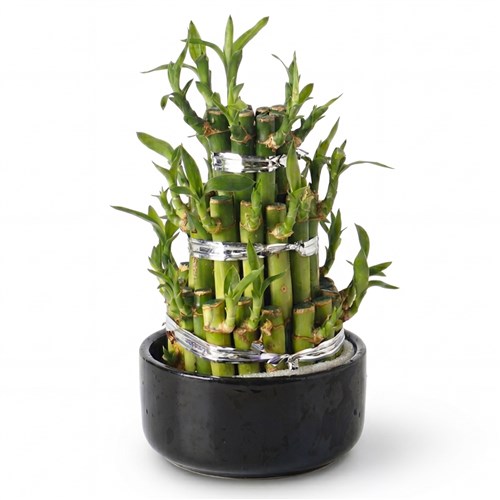
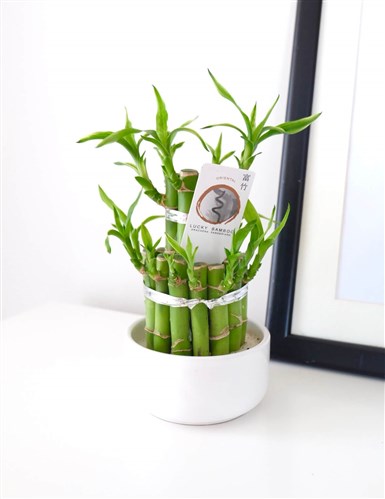
Lucky Bamboo
1699,90 TL
Bugün / Ücretsiz Hızlı Teslimat
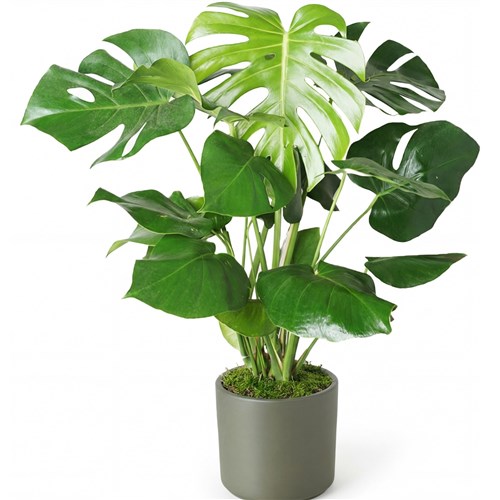
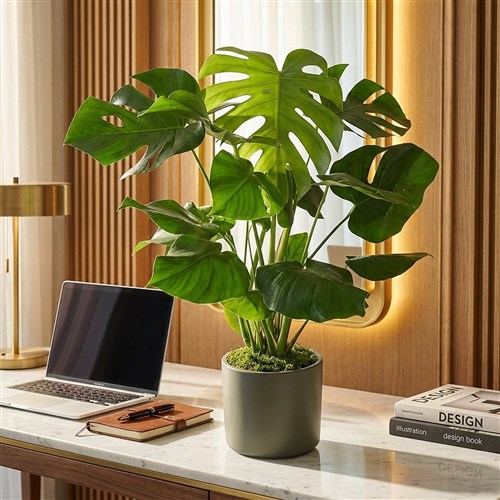
Monstera Deliciosa Large (Monstera (Swiss Cheese Plant))
%92199,90 TL
1999,90 TL
Bugün / Ücretsiz Hızlı Teslimat
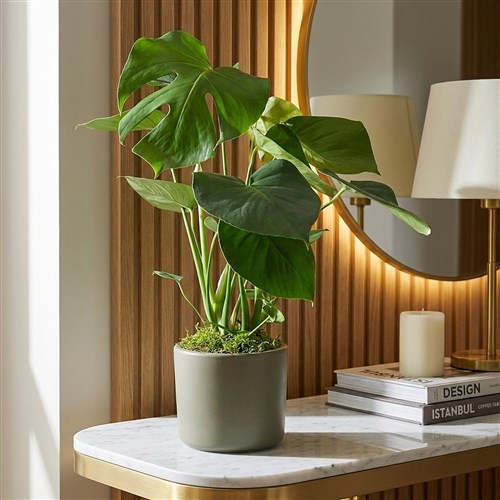
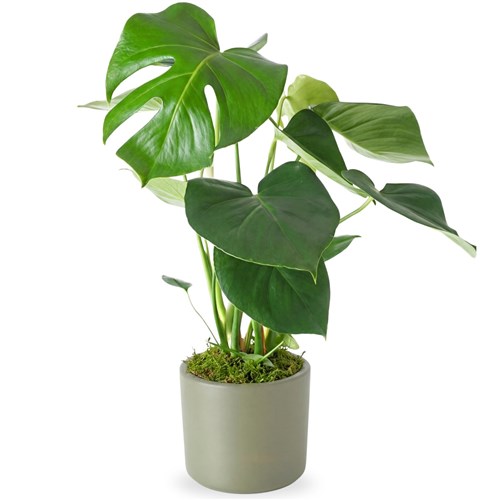
Monstera Deliciosa
1099,90 TL
Bugün / Ücretsiz Hızlı Teslimat
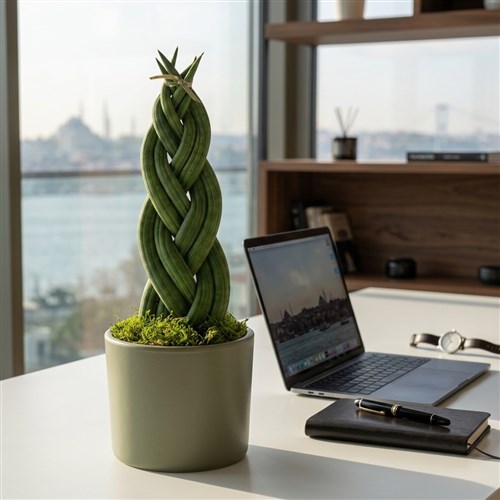
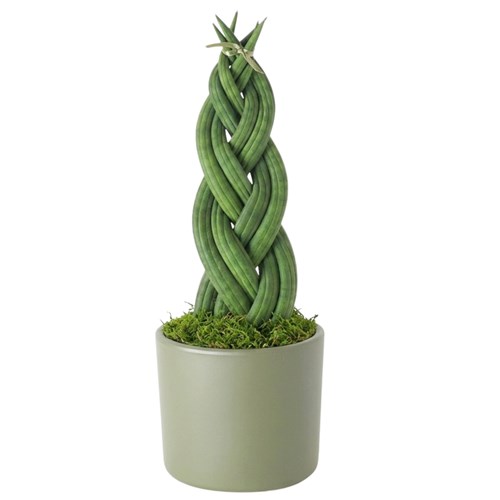
Sansevieria (Örgülü Paşa Kılıcı)
%191599,90 TL
1299,90 TL
Bugün / Ücretsiz Hızlı Teslimat
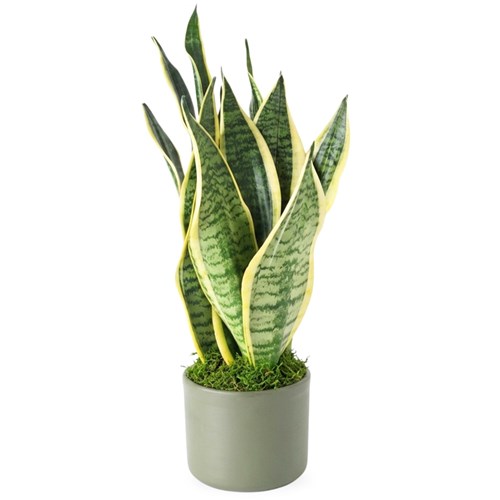
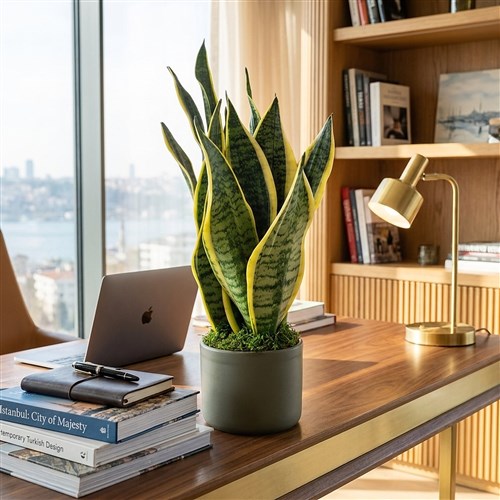
Sansevieria Black Gold
1109,90 TL
Bugün / Ücretsiz Hızlı Teslimat
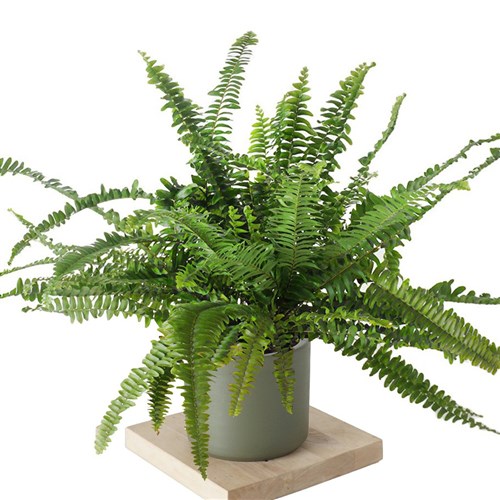
Nephrolepis (Ladder Plant) - Large
1109,90 TL
Bugün / Ücretsiz Hızlı Teslimat
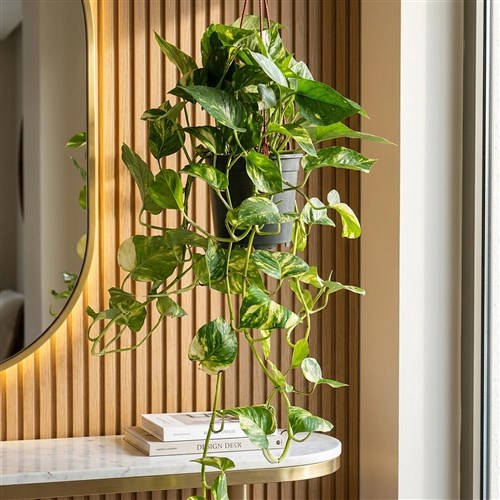
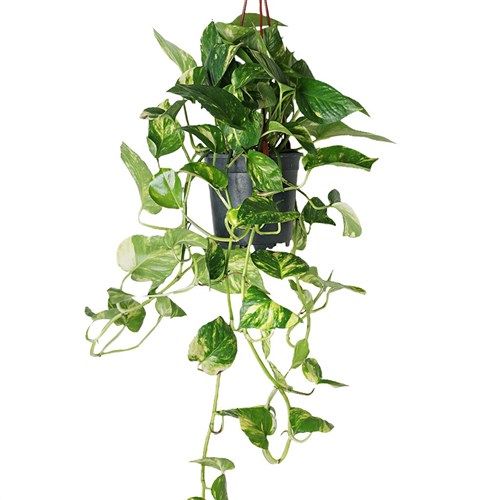
Golden Pothos (Askılı Sarmaşık) Large
1299,90 TL
Bugün / Ücretsiz Hızlı Teslimat
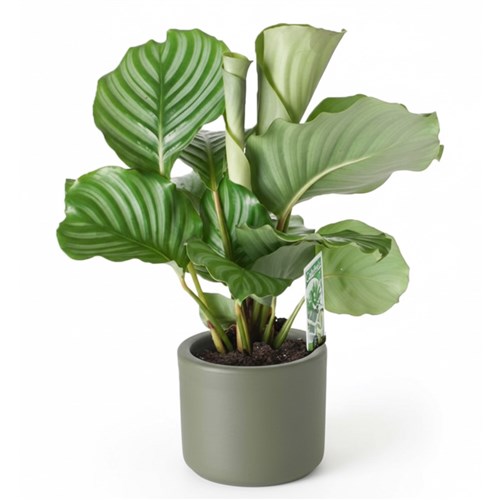
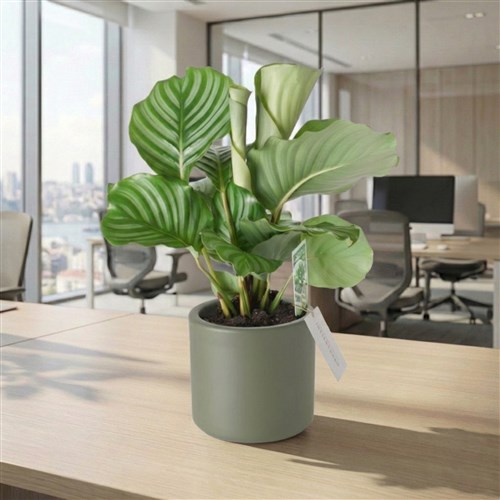
Calathea Orbifolia (Prayer Plant)
1399,90 TL
Bugün / Ücretsiz Hızlı Teslimat
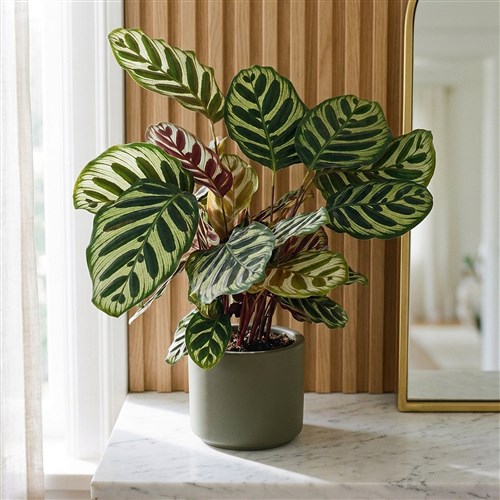
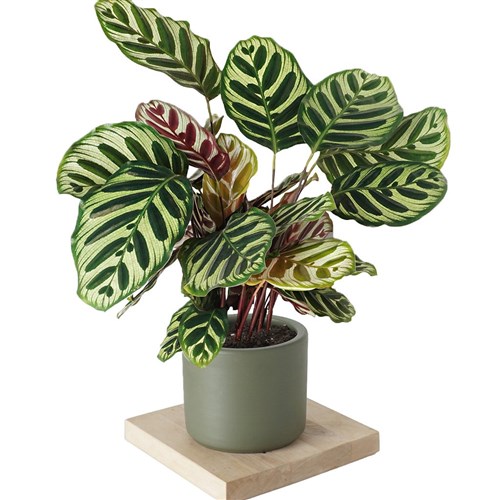
Calathea Makoyana (Prayer Plant)
%181699,90 TL
1399,90 TL
Bugün / Ücretsiz Hızlı Teslimat
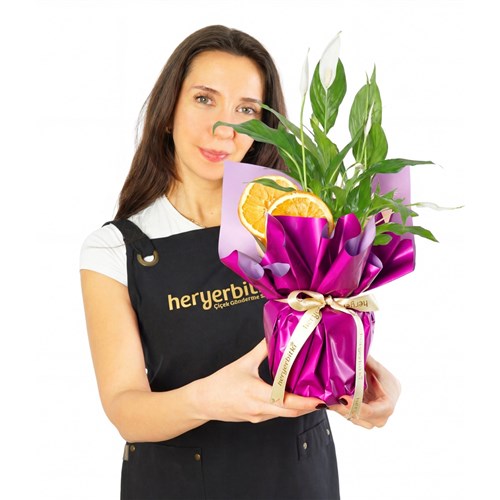
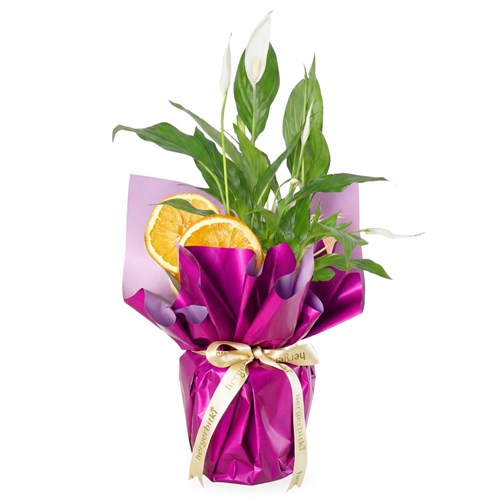
Spathiphyllum Purple Gift (Gift Peace Lily)
949,90 TL
Bugün / Ücretsiz Hızlı Teslimat
Bathroom Plants: Bring Freshness and Naturalness to Your Bathroom
Bathroom plants are plants that adapt to high humidity and low light conditions. Although bathrooms are generally a challenging environment for plants, some plants can thrive perfectly in these conditions. By choosing the right bathroom plants, you can achieve both a decorative look and create a more spacious atmosphere in your bathroom.
Most Popular Plants for the Bathroom
There are many types of plants you can grow in your bathroom. Here are some popular plant varieties that thrive in humid, low-light environments:
Ladder Plant (Nephrolepis): The ladder plant thrives in the humid environment of bathrooms. Its drooping leaves create a wonderful display on wall shelves or in hanging pots.
Aloe Vera: Aloe vera is a decorative and functional plant that can be grown in the bathroom. It can be used for skin care and minor wounds.
Snake Plant (Sansevieria): Tolerant of low light and humidity, snake plant is a popular choice for bathrooms. It is known for its air-purifying properties.
Succulents: Succulents are plants that can withstand the humid environment of bathrooms and require little maintenance. With various types of succulents, you can add both elegance and a natural feel to your bathroom.
Parlor Ivy (Epipremnum Aureum): Parlor ivy, which can easily grow even in low light, provides a very beautiful sight in hanging pots in bathrooms.
Benefits of Bath Plants
Bathroom plants are great not only for decorative purposes but also for contributing to your health. Here are some of the benefits of bathroom plants:
1. Moisture Balancer: Plants can balance excess moisture in the bathroom, reducing mold and mildew growth.
2. Air Purifier: Plants like snake plants purify the air in the bathroom, creating a healthier environment.
3. Relaxing Effect: Plants create a relaxing atmosphere, transforming your bathroom into a more spa-like environment.
4. Decorative Appearance: It adds a natural elegance and greenery to your bathroom, making the space more inviting.
Bathroom Plant Care
Although bathroom plants generally don't require much maintenance, it's important to pay attention to some basic tips to keep them healthy:
Light: If your bathroom has little natural light, you should choose plants that can grow in low light. Plants like snake plants and ivy thrive in low light. For bathrooms with completely insufficient light, it may be beneficial to occasionally expose your plants to sunlight.
Humidity Level: Bathroom plants thrive in high humidity, making bathrooms an ideal environment for tropical plants. However, for plants that require lower humidity, such as succulents, using well-drained pots is important to prevent waterlogging.
Watering: Because your bathroom has high humidity, you should be careful when watering your plants. Generally, avoiding overwatering prevents root rot.
Bathroom Decorating Ideas with Plants
Bathroom plants add both a refreshing atmosphere and a decorative touch to your bathroom. Here are some ideas for incorporating bathroom plants into your decor:
Hanging Planters: Hanging plants create a wonderful display, especially in small bathrooms, when grown in hanging pots.
Window Sill: If you have a window that gets light, placing plants in front of it will create a natural look and provide your plants with the necessary light.
Plants on Shelves: Placing small plants on bathroom shelves will add a stylish and natural look to your bathroom.
Bathroom Plants Buying Guide
Here are some important factors to consider when choosing plants for your bathroom:
Lighting Conditions: Be sure to choose plants suitable for the amount of light in your bathroom. Plants like snake plants or ivy are ideal for bathrooms with low light.
Humidity Compatibility: Choose humidity-loving plants that can adapt to the bathroom environment. Plants like petunias and succulents thrive in the humid bathroom.